



Feb 6, 2023
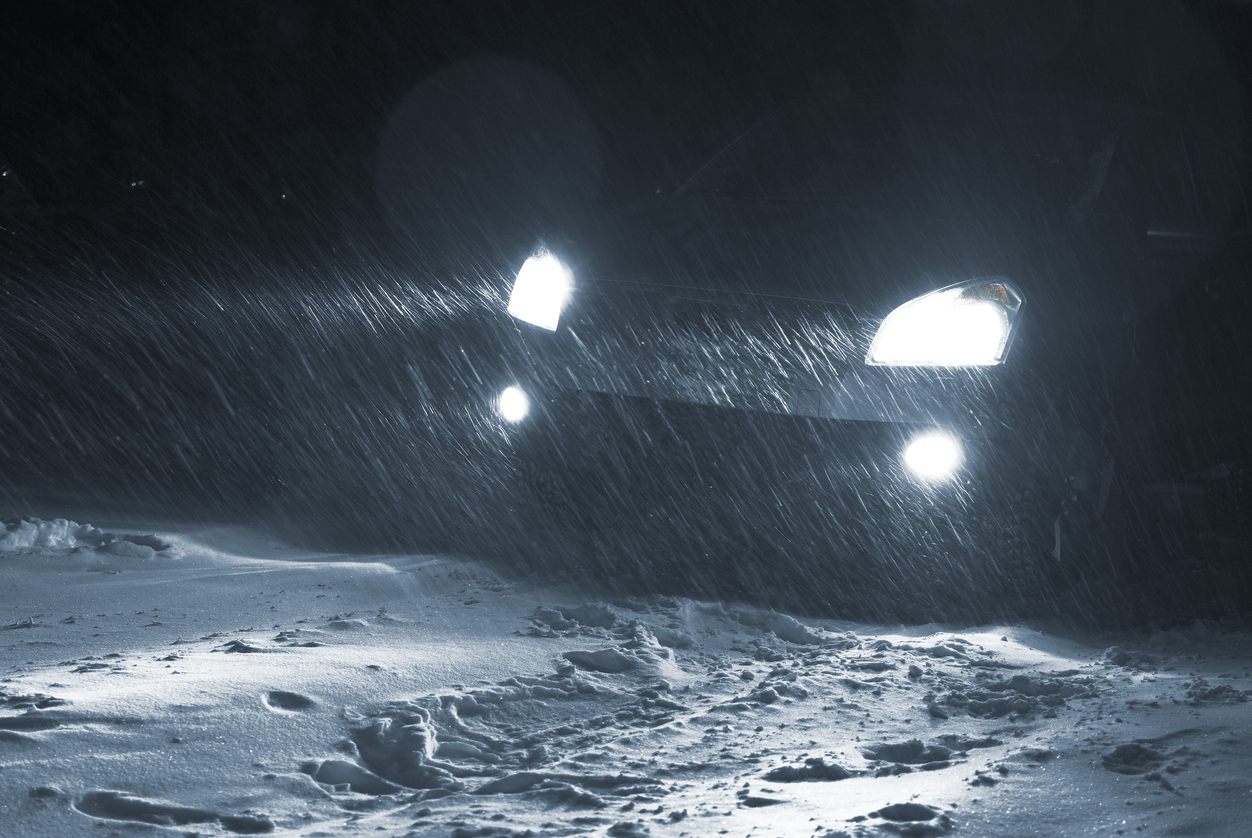
We’ve shared lots of tips and tricks for keeping your car in tip-top shape during winter. We’ve shared plenty of inspiration for road trip winter vacations. And today we’re sharing helpful tips and tricks for new drivers to get to their vacation destinations safely in their pristine automobiles!
Check out today’s post to learn more winter weather driving safety tips for new drivers!

Here’s some helpful winter tips to help out younger drivers in the snow, ice, and other inclement weather from your friends here at Classic Auto Group
- If at all possible, stay home and avoid driving in inclement weather such as snow, sleet, ice or similar. If it’s unavoidable and you must travel, do not drive distracted! That means keeping your eyes on the road, no texting, no phone calls, and keep music quiet so you can focus solely on the road ahead and getting to your destination safely.
- Practice driving in inclement weather in an empty lot with a more experienced driver. Let them guide you around the snowy or messy parking lot and give you pointers on how to handle bad weather situations. It can help you feel more confident on the road in a real-world situation to practice at slower speeds under supervision of a seasoned driver.
- Remember to check your tire air pressure regularly. Cold weather causes the PSI to drop, and excessive heat can cause the tire pressure to increase. For every 10 degrees drop in temperature, you should make sure to double check your PSI as you may need to inflate them more regularly in chilly weather.
- Leave extra distance between you and other vehicles on the road. Inclement weather means decreased stopping distance time and decreased visibility. Giving drivers around you a little extra room means less chance of an accident and better safety!
- If you start to drift on ice or skid out, steer into the skid in the direction your back wheels are moving to avoid fishtailing. For example if the back of the car starts to slide to the left, steer to the left and it will help realign the vehicle and avoid spinning.
- If you’re driving in messy weather, do not accelerate to try and avoid any incoming accidents or situations. Accelerating will increase your risk by reducing your ability to stop quickly. It’s better to drive slowly, cautiously, and maintain your cool. Two or more fast moving objects colliding, or a fast moving vehicle hitting an inanimate object are going to cause even more injury or worse. Remain calm, keep your vehicle slow and steady.
- Always make sure your phone and wireless devices are fully charged before you head out into bad weather driving, and be sure to have your emergency kit restocked with warm, dry clothing, towels, blankets, and other supplies in case you end up stranded.
- Consider a membership to roadside assistance in case you are involved in an accident, break down, or are unable to get your car out of ice or snow. Roadside assistance can dispatch trained professionals to assist you with a tow or to pull you out of snow and ice quickly, efficiently, and safely.
![[Facebook]](https://www.classicdirecttoyota.com/blogs/293/wp-content/plugins/bookmarkify/facebook.png)
![[LinkedIn]](https://www.classicdirecttoyota.com/blogs/293/wp-content/plugins/bookmarkify/linkedin.png)
![[Twitter]](https://www.classicdirecttoyota.com/blogs/293/wp-content/plugins/bookmarkify/twitter.png)
![[Yahoo!]](https://www.classicdirecttoyota.com/blogs/293/wp-content/plugins/bookmarkify/yahoo.png)
![[Email]](https://www.classicdirecttoyota.com/blogs/293/wp-content/plugins/bookmarkify/email.png)
Connect with us


- 2026 Toyota Corolla Buying Guide
- 2026 Toyota Camry Showroom Walkaround
- 2026 Toyota Tacoma Towing Guide: Real-World Performance in Waukegan, IL
- The Race for Best Compact SUV: 2026 Toyota RAV4 vs Honda CR-V in Northern Illinois
- The Icon Reimagined: 2026 Toyota 4Runner vs. 2026 Toyota 4Runner i-FORCE MAX in Waukegan