




Summertime means plenty of beach days, soaking up some rays, driving down the highway with the music blasting and the top down, and that warm summer breeze. We’re thinking s’mores by the campfire, fishing off the docks, and taking road trips to make memories with friends and family. Yeah, summer’s pretty great. Of course, that’s the most picturesque version, but mechanics know that this is also primetime engine overheating season.
Intense sun with sparse clouds, increasing temperatures due to climate change, and general high temps and humidity in combination with a propensity to drive long distances can spell Summer trouble for your vehicle’s engine. On today’s blog, we’re taking a look at some of the key signs your engine may be overheating and what to do about it should you be on the road when it happens. So, rest easy because by the time you’re done with our latest Gearhead Guru Guide, you’ll be a real pro at mediating engine problems and, with a little luck, even heading them off before they start.
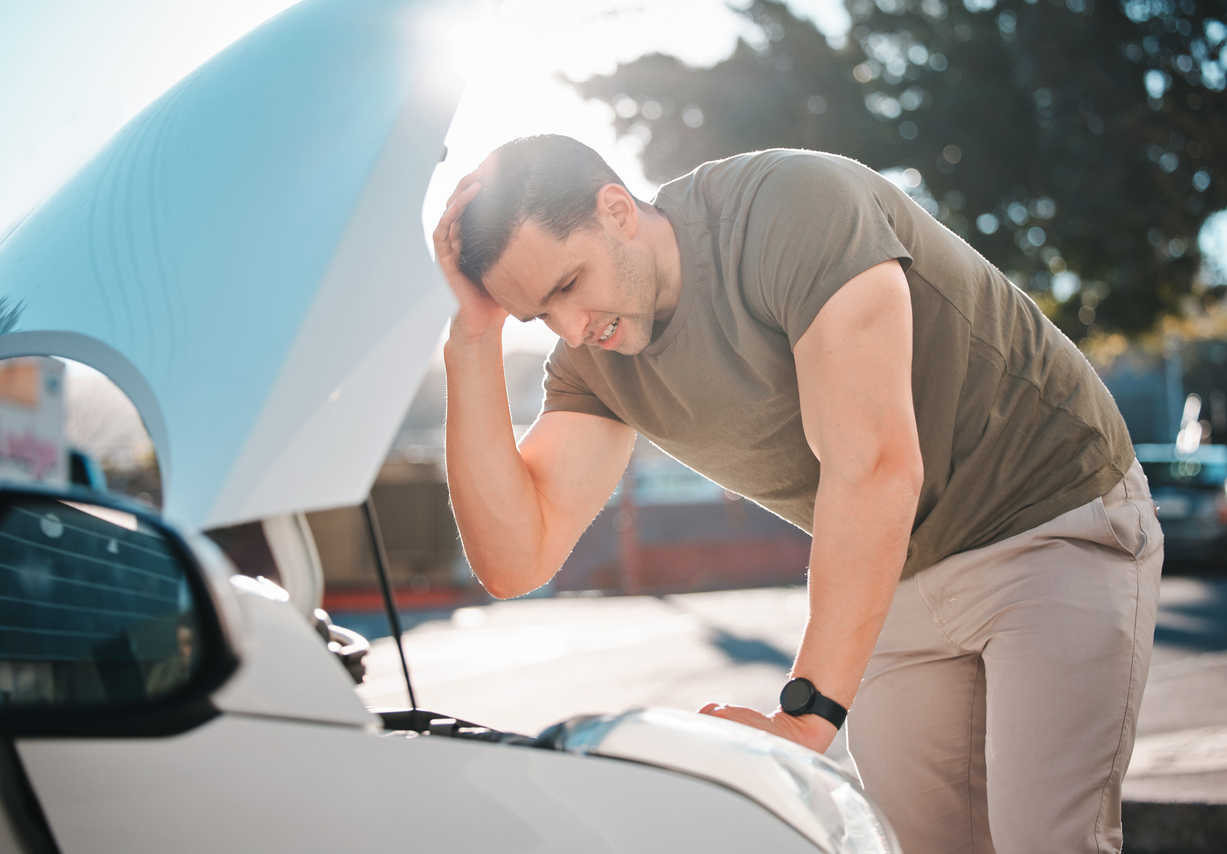
Let’s start off with a good prevention regimen! Here’s some tips and tricks for ensuring your car runs in tip-top shape to avoid engine overheating issues:
- Keep up with your regularly scheduled maintenance! Ensuring that you’re consistently checking coolant levels and oil levels can seriously save you money. Low coolant and low oil levels are two of the most common causes of engines overheating. Consider a coolant flush to prevent build-up and flush out debris to increase cooling system efficiency! Make sure to stay regular with your oil changes, too. Top off both fluids frequently to ensure they’re never running low.
- Perform a cooling system inspection. Locate the components of your cooling system: inspect the belts, radiator, and hoses for signs of wear, cracking bulging, or fluid leaks. Have a mechanic thoroughly check these items during each routine maintenance appointment, regardless of what you’re servicing at the time. It will keep you ahead of the curve!
- Monitor the dashboard temperature gauge as you drive. The temperature gauge may give you early warning signs that something foul is afoot. If you notice the temperature rising rapidly, immediately get yourself to a safe location to pull over as soon as possible or call your local service center for assistance.
- Do your best to park in the shade to help reduce heat buildup in the vehicle and engine.
- If you can reduce your usage of the AC and rely on open windows, that can prevent extra strain on the engine which also contributes to overheating.
Let’s take a look at the initial signs and hints that a problem is brewing under the hood:
- You notice what appears to be “steam” or smoke coming out from under the hood.
- The check engine light or “temperature” light on the instrument panel is illuminated.
- You notice a sweet aroma from the engine area, which may indicate a leak in the coolant/antifreeze.
- The engine temperature gauge is spiking into the red or hits “H” for Hot.
What to do once you’ve noticed your engine is overheating:
- Put your hazards on to indicate to drivers around you that you are experiencing an issue and may be driving slower; it will keep you safer on the road than driving without.
- Turn off your AC, open your windows, and turn on the Heat. Yes, you read that right! Using the AC will put an additional strain on your overheated engine, but putting on the heat will draw the hot air away from and reduce the load on the engine.
- Find a place to pull over as soon as you can, and shut off your engine as soon as you’re parked. Allow it to cool for at least 15 minutes. You can check how it’s going with the temperature gauge on your instrument cluster.
- Once the temperature gauge has reached fully cool, you can check under the hood for leaks and check the fluid levels.
- If you have assessed the situation and are sure that there are no leaks, you can top off the coolant in the radiator and reservoir. You may allow your vehicle to idle for a little while to ensure that it does not spike to “H” or illuminate the temperature gauge before attempting to drive it to safety.
- Before you get back on the road, you’ll want to call the professionals for advice! UBuzz your local mechanic or roadside assistance company. They can help you get in touch with a local towing company to bring the vehicle in.
- If you are unable to reach anyone or need to get your car to a better spot for tow truck access, you can carefully restart your engine and drive slowly, maintaining an eye on the temperature gauge to ensure its low; any time it spikes, pull over, turn the car off and wait another 15 minutes.
Things you should NEVER DO if you notice your vehicle is overheating:
- DO NOT continue on to your destination; continuing to drive your vehicle in this state can risk permanent engine damage, increases risk of fire, and can lead to deadly accidents.
- DO NOT open the hood immediately after pulling over. The engine is at extremely high temperatures, and you are risking serious burns and injury. Wait until the temperature gauge is in normal or cooler temperatures to examine the situation under the hood.
- DO NOT delay scheduling a service call or maintenance appointment. The longer you drive your car in this condition, the more permanent damage you’re causing.
- DO NOT add cold water to the radiator, as this may cause the engine to crack! If you must add water, it should be room temperature to avoid further damage.
![[Facebook]](https://www.classicdirecttoyota.com/blogs/293/wp-content/plugins/bookmarkify/facebook.png)
![[LinkedIn]](https://www.classicdirecttoyota.com/blogs/293/wp-content/plugins/bookmarkify/linkedin.png)
![[Twitter]](https://www.classicdirecttoyota.com/blogs/293/wp-content/plugins/bookmarkify/twitter.png)
![[Yahoo!]](https://www.classicdirecttoyota.com/blogs/293/wp-content/plugins/bookmarkify/yahoo.png)
![[Email]](https://www.classicdirecttoyota.com/blogs/293/wp-content/plugins/bookmarkify/email.png)
Connect with us


- All-New 2027 Toyota Highlander: The Electric SUV for Illinois
- Top 5 Features of the 2026 Toyota 4Runner That Conquer Illinois Winters
- Celebrate the Holidays by Gifting a Road Trip to the Michigan Ice Fest 2026!
- Extending the Spirit of The Giving Season: Great Ways to Give Back to the Community For the Holidays (Lake County, Waukegan Area)
- Your 2025 Holiday Gift Guide for Car Lovers