



Nov 18, 2024
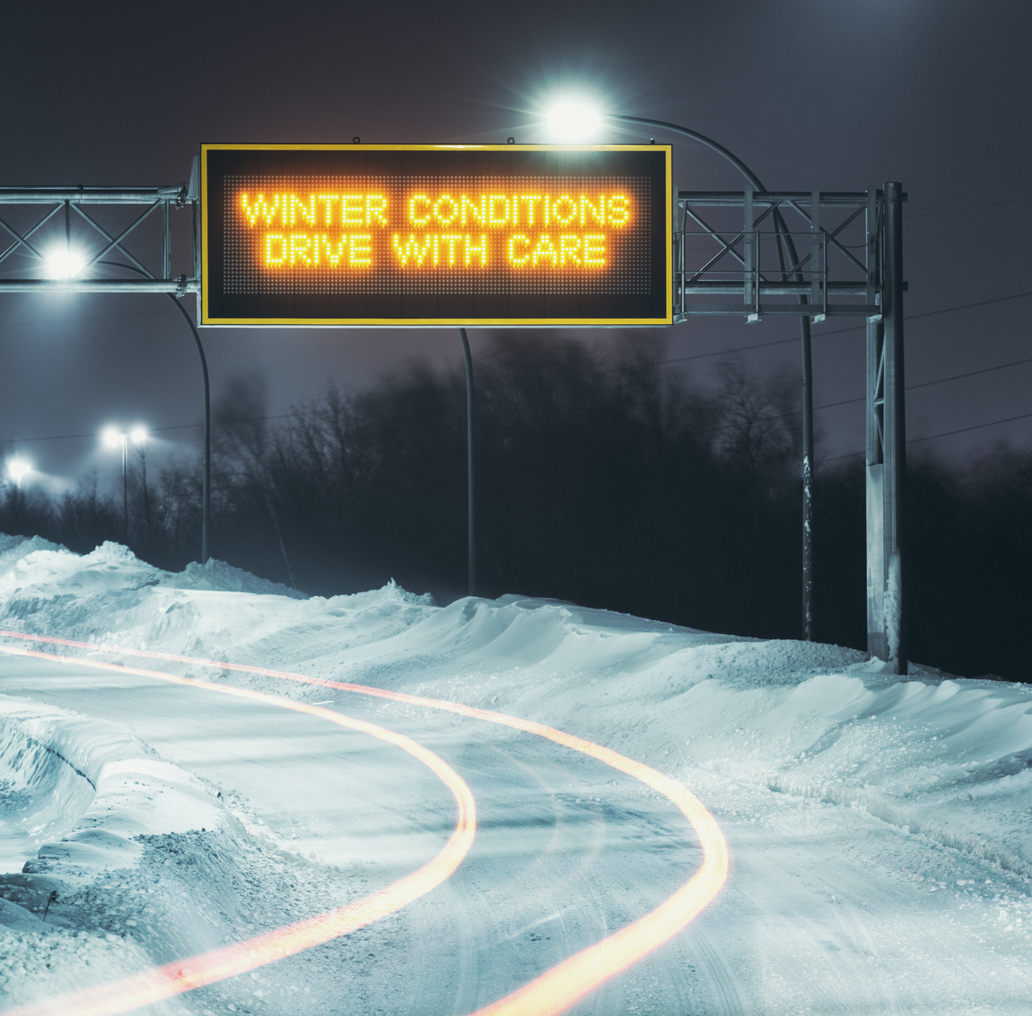
Before the winter weather arrives, we’ve got a checklist of items that will keep you safe on the road during inclement weather and icy conditions. If you need support or to schedule a maintenance appointment, feel free to call our service center and we’ll help you get your car winter ready!

And be sure to check out our service specials for new deals and offers each month. Our trusted technicians are happy to help you with your winter weather prep, oil changes, maintenance, and other tasks.
What to Check On Your Vehicle Before Winter Weather Hits
- Check your front and rear brakes, emergency brake, and brake light system. During icy, snowy, slippery conditions, knowing you have a working set of brakes and rotors can be the difference between a safe stop and serious accident and injury. It is important to make sure that your braking system and brake light are in perfect working order before you’re faced with a split second decision to swerve, stop short, or avoid dangerous snowbanks or black ice. If you hear any sort of scraping, whining, or squealing when you brake, bring your car in for a service call straight away.
- Make sure your car is thoroughly cleaned both inside and out. Winter weather means a lot of muck, grime, and gunk on the roads, so it’s best to start the season with a clean slate. Be sure to thoroughly vacuum and detail the inside of your car, and treat any leather surfaces with a moisturizing protective spray or polish. Give your car a good hand washing as well, and apply a nice coat of finishing wax before protecting it with a fabric car cover.
- Install new, fresh wiper blades and protect your windshield wipers from damage. Leave the windshield wipers in a raised position to prevent freezing to your windshield. Do not use your wiper blades to remove caked-on snow or stuck on ice! Use your snowbrush and ice scraper for the job to ensure your blades remain efficient and sturdy for driving in bad weather. Now is a great time to top-off your windshield wiper fluid with a seasonal formula, as well as giving the windshield its last treatment for the year with a hydrophobic coating.
- Ensure the defrosters, heater, and blower are working properly before it’s a vital requirement. It’s important to check the defroster and heat blower functionality, as these two elements must be functioning properly to ensure wiper efficiency and clear visibility. When cars are iced or frosty, gradually warming the window to loosen the ice before scraping can save you from windshield damage and scratches. Additionally, it can save you time by melting the frost and ice as well as bringing your car to a comfortable temperature for driving.
- Check your car battery for proper charge and optimal conditioning. Colder months mean we’re more apt to leave our car running to “warm it up” so we don’t face a frosty morning commute, but this also means a higher potential for draining the battery through accidental means. Cold weather can put additional stress on your battery, and can cause it to lose around 20-30% of its charge when the weather hits 32 degrees. (If you’re storing your vehicle, remove your car’s battery and store it away. Connect the battery to a “trickle charger” or “battery tender” to keep the battery at peak performance but prevent overcharging. You can also keep it in a warm room of your house to prevent a stored battery from freezing and being damaged.)
- Prep your garage for cold weather months and protect your vehicle from unannounced guests taking residence. Rodents and other critters love to hibernate and cozy up in cold weather, and your car is the perfect safe environment! Go around and block up any holes in the garage where small animals may enter. Make a point as well to clear out the trash from the side pockets and floors regularly, and be sure to check for food especially to avoid attracting critters seeking food and shelter.
- Change to winter or all-season tires, and monitor your tire pressure religiously as the temperature drops lower. Proper tire tread depths and optimal inflation levels can be the difference between life and death or catastrophic accident if needing to stop in black ice or inclement conditions. In addition, keeping a tire-pressure gauge on hand for monitoring your wheels is a great idea. Check with our service technicians or your local trusted mechanic if you need help finding winter tires or all-season tires as appropriate. Now is also a great time to have a tire rotation and wheel alignment to ensure accuracy.
- Update your emergency kit to include a container of de-icer, small shovel, a “go-bag” of warm clothing and blankets, and a bag or lidded bucket of salt and/or kitty litter. In the event you’re iced in or perhaps spinning your wheels in slush or snow, a small portable shovel and a bit of salt can go a long way! Keeping a small lightweight shovel can also speed up your snow removal when you’re leaving work after it’s been snowing in the lot all day! Adding a small can of de-icer to your work bag or purse in the event your locks, hatchback, trunk, or doors are frozen shut!
- Always keep your fuel tank at least half-full during the winter months especially. In the event of an emergency in frigid temps, or in cases where help may take awhile to arrive, a half or full tank of gas can keep you warm. Inclement weather can lead to an increase in traffic delays as well as accidents, so it’s best to be adequately fueled in case of emergency so you can stay warm until help arrives, or while waiting in traffic without getting stranded. (Likewise, if you’re storing your vehicle for the season be sure to top up all fluids and ensure that your car has adequate antifreeze. If you’re storing for 3+ months, add a bit of fuel stabilizer to the tank. Ensure that the tank is nearly full, and then add the fuel stabilizer before storing, and take it out for a drive first to ensure that all fluids and the fuel stabilizer are cycled through the car’s system.)
- Give the headlights and tail lights a thorough inspection, and replace broken bulbs or service any damaged connections. It’s imperative during winter weather that you maintain excellent visibility for optimal safety! There is nothing more frightening than encountering a white-out storm or horizontal icy rains and not being able to see more than 2 feet ahead of you. Upgrading dimmer or older bulbs to LEDs with bright, clear headlights will make a significant difference in visibility over increased distance.
![[Facebook]](https://www.classicdirecttoyota.com/blogs/293/wp-content/plugins/bookmarkify/facebook.png)
![[LinkedIn]](https://www.classicdirecttoyota.com/blogs/293/wp-content/plugins/bookmarkify/linkedin.png)
![[Twitter]](https://www.classicdirecttoyota.com/blogs/293/wp-content/plugins/bookmarkify/twitter.png)
![[Yahoo!]](https://www.classicdirecttoyota.com/blogs/293/wp-content/plugins/bookmarkify/yahoo.png)
![[Email]](https://www.classicdirecttoyota.com/blogs/293/wp-content/plugins/bookmarkify/email.png)
Connect with us


- Top 5 Features of the 2026 Toyota 4Runner That Conquer Illinois Winters
- Celebrate the Holidays by Gifting a Road Trip to the Michigan Ice Fest 2026!
- Extending the Spirit of The Giving Season: Great Ways to Give Back to the Community For the Holidays (Lake County, Waukegan Area)
- Your 2025 Holiday Gift Guide for Car Lovers
- Great Holiday Gift Experiences in the local Lake County Illinois Area for Holiday 2025 Season