



Mar 18, 2025
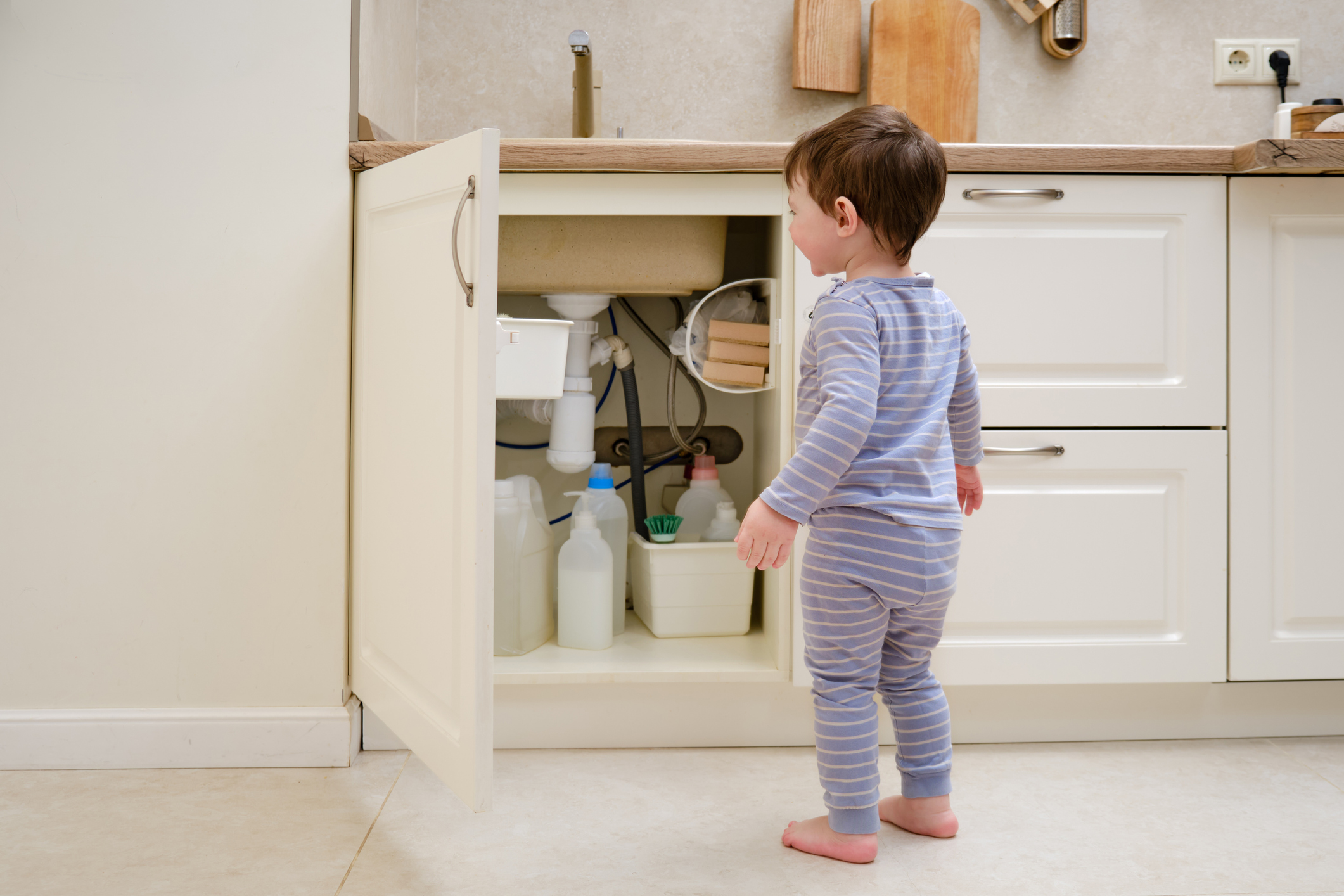
Since everyone is spring cleaning and working on organizing their garage, we thought it would be a great time to go over a little garage safety info. March is Poison Prevention Awareness Month, so we’ll be highlighting ways to keep your garage and vehicle organized to eliminate safety hazards due to chemicals, oil, and other fluids. We’ve got some tips on how to dispose of them safely, how to best clean up those messes, and even how to keep your pets out of harm’s way in the garage. Check it out on today’s blog!

Tips on Properly Storing Chemicals, Fluids, and Fuel and other Hazards in Your Garage
- Equip your garage with proper ventilation and airflow such as windows, exhaust fans, and air filters. When utilizing toxic chemicals and poison substances, make sure you are outfitted with proper eyewear, respirators/masks, and hand protection. Open the doors and windows of your garage for additional ventilation.
- Make sure all hazardous materials are clearly labeled and indicate toxicity or flammability with bold, easy to read labels. If it is not up front on the bottle, add your own!
- Invest in proper chemical storage cabinets. These specialty cabinets are designed to meet specific safety standards to protect solvents, paints, and other chemicals with fire-resistant materials and secure, locking doors to thwart unauthorized access. These cabinets will also offer ventilation features to help reduce fume build-up and lower flammable risk.
- Store flammable materials such as fuel or paint thinner and flammable cleaning agents separate from other sources of ignition. Keep these items far away from heaters, electrical outlets, and electronic tools/appliances.
- Ensure that any and all chemicals are stored in a temperature controlled area of the environment to ensure the integrity of the products which can degrade over time with fluctuating temperatures.

Properly Dispose of Used or Expired Chemicals/Substances
- Check your city or town’s local “Hazardous Waste Collection Days” to safely dispose of items such as paint, chemicals, and motor oil. You may also reach out to your local Waste Management division and request a drop-off or in some cases an extra collection appointment to dispose of these materials off-schedule. If your town does not offer this regularly, oftentimes county and state organizations will offer centralized disposal sites or drop-off locations.
- Dispose of chemicals in their original containers unless explicitly instructed on the packaging to do otherwise; this can help prevent accidental mixing of materials which may lead to combustion, burns, hazardous gases, or other potential injury.
- Old or improperly stored batteries carry a risk of bulging and leaking corrosive materials. Bringing old vehicle and appliance batteries to designated waste collection sites can prevent injury and environmental damages. Some local auto parts stores have a battery drop-off program.
- Always use a drain pan and collection bucket to catch the fluids as they’re released. Bring them to your local designated hazardous waste disposal facility or recycling center immediately. If you’ve spilled oil in your garage, you can use an oil absorbent mat, a substance like Oil-Dri, or the standby of kitty litter.
- Pour liquids such as coolant or brake fluid or other contaminated fluids into a bucket or bin of kitty litter. It will absorb the liquid, and make it easier to transport to the waste facility.
- If you’ve spilled fluids, you can absorb the spill with clay cat litter, play sand, cornmeal, cornstarch, or even baking soda. Apply one of these substances over the spill stain immediately, and this will help prevent it from seeping into the concrete or pavement of your garage.

Preventing Accidents and Injury to Pets and Children in Your Garage.
- Ensure that all members of your household are aware of which items in the garage can cause injury or death, and explain the safe handling rules of each substance. Small children and pets should never be left unattended or allowed access to these dangerous items.
- Leave the Poison Control Hotline number clearly visible in the garage in case of emergency, and make sure there is a fully-stocked first aid kit easily accessible. Let everyone in your household know where to find it.
- Make sure your fire extinguisher is up to date and all family members know how to use it in case of emergency.
- Never leave your pets unattended in a garage. Garages can become extremely hot or extremely cold quite rapidly. This can cause temperature related illnesses such as heat stroke or frostbite.
- Clean up all spills and leaks immediately after they happen. Keep your pets out of the way if you’re performing fluid changes or top-offs so they do not drink or lick any spills. Tidy the garage floor thoroughly when you’re finished working on your projects and after any regular vehicle maintenance. Even residual waste from chemicals, solvents, or soaps can pose a threat if licked or ingested or skin contact.
- Be sure that antifreeze, gasoline, motor oil, insect sprays, paints, cleaners, herbicides, soil bags, polishing solutions, wiper fluid, and other liquids are stored in their original containers and tightly sealed. Store them up and away from prying paws and nosy sniffers. Keep tools and batteries up and off the floor, and do not allow pets to lick them or chew on them. They’re at risk for serious injury, electrocution, and even death.
- Utilize airtight and locking storage items. Place small items into lidded plastic bins that have child-lock features.
- All tools and ephemera should be placed into toolkit boxes and locked securely so that your pet cannot get into it, knock it down, or open it to see what “forbidden snacks” are inside.
- Keep garbage and waste bins secured. Pets love to sniff and explore inside trash cans, garbage bags, recycling bins, etc, so it’s important you keep them stowed safely to reduce risk of suffocation by bags or other serious injury due to ingestion of discarded chemicals and materials.
- Do not allow children or pets to play with used receptacles or reuse any containers from chemicals or other substances, as they may accidentally ingest residual materials.
- Opt for environmentally friendly and pet-safe/child-safe alternatives to the typical corrosive, toxic chemicals and substances to reduce risk of injury or death.
![[Facebook]](https://www.classicdirecttoyota.com/blogs/293/wp-content/plugins/bookmarkify/facebook.png)
![[LinkedIn]](https://www.classicdirecttoyota.com/blogs/293/wp-content/plugins/bookmarkify/linkedin.png)
![[Twitter]](https://www.classicdirecttoyota.com/blogs/293/wp-content/plugins/bookmarkify/twitter.png)
![[Yahoo!]](https://www.classicdirecttoyota.com/blogs/293/wp-content/plugins/bookmarkify/yahoo.png)
![[Email]](https://www.classicdirecttoyota.com/blogs/293/wp-content/plugins/bookmarkify/email.png)
Connect with us


- All-New 2027 Toyota Highlander: The Electric SUV for Illinois
- Top 5 Features of the 2026 Toyota 4Runner That Conquer Illinois Winters
- Celebrate the Holidays by Gifting a Road Trip to the Michigan Ice Fest 2026!
- Extending the Spirit of The Giving Season: Great Ways to Give Back to the Community For the Holidays (Lake County, Waukegan Area)
- Your 2025 Holiday Gift Guide for Car Lovers