



We’re back with another fun edition of Automotive Terminology, where we demystify vocabulary, phrases, and terms used by industry professionals. We understand that buying, selling, and fixing cars is not a part of most of our customers daily or even weekly lives, so we’re here to help take the stress out of selecting or repairing your vehicle!
Through our Classic Auto Group Decoder series, we’re giving you the tools to decode and navigate conversations with automotive professionals be they salesperson or mechanic. And of course, if you have any questions or something you’d like to know more about, feel free to leave a comment and we’ll keep it in mind to answer for future posts!
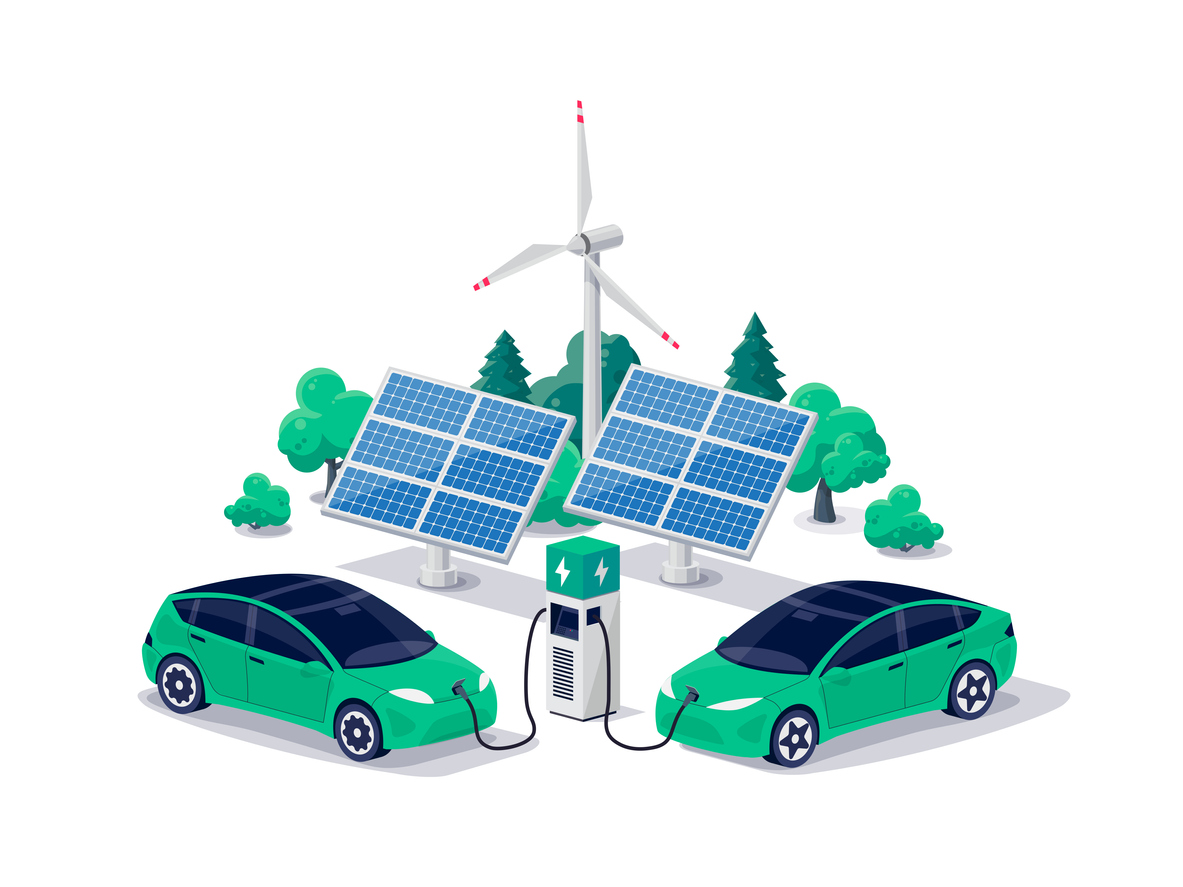
EVs are taking the automotive industry by storm, so we thought it would be great to share with you some key terminology about the tech that powers them. Today, we’re going to talk about the EV battery, an integral part and energy center of the electric vehicle. Without a traditional combustion engine and fuel to power it, electric vehicles rely solely on energy in the rechargeable battery, replenished through plug-in charging stations, regenerative braking and similar.
EV batteries are composed of a variety of metals and minerals such as Graphite, Lithium, aluminum, nickel, manganese, iron, cobalt, steel, copper. There are several common types of EV batteries: Lithium-Ion, Nickel Manganese Cobalt, Nickel Metal Hydride, Lithium Sulfur, and Lead Acid.
Within an EV battery, there are several components that each serve a unique function. Battery cells are the most basic unit which stores chemical energy; these may be shaped as cylinders, pouches, or prism shapes. Battery modules are interconnected battery cells producing a specific voltage and holding a specific energy capacity. Battery Packs are the final shape of the battery systems comprising modules within a casing enclosure, and other components such as protective monitoring, thermal management, and high-voltage hardware.
EV manufacturers are now focusing on implementing recycling programs for older batteries, creating new batteries from reusable, sustainable components, and potential alternatives to the limited resource of cobalt.
What are some things you’d like to see from Electric Vehicles in the future? Are there any questions you have about EV batteries and charging? What do you love about your current EV or hybrid? Let us know in the comments!
![[Facebook]](https://www.classicdirecttoyota.com/blogs/293/wp-content/plugins/bookmarkify/facebook.png)
![[LinkedIn]](https://www.classicdirecttoyota.com/blogs/293/wp-content/plugins/bookmarkify/linkedin.png)
![[Twitter]](https://www.classicdirecttoyota.com/blogs/293/wp-content/plugins/bookmarkify/twitter.png)
![[Yahoo!]](https://www.classicdirecttoyota.com/blogs/293/wp-content/plugins/bookmarkify/yahoo.png)
![[Email]](https://www.classicdirecttoyota.com/blogs/293/wp-content/plugins/bookmarkify/email.png)
Connect with us


- All-New 2027 Toyota Highlander: The Electric SUV for Illinois
- Top 5 Features of the 2026 Toyota 4Runner That Conquer Illinois Winters
- Celebrate the Holidays by Gifting a Road Trip to the Michigan Ice Fest 2026!
- Extending the Spirit of The Giving Season: Great Ways to Give Back to the Community For the Holidays (Lake County, Waukegan Area)
- Your 2025 Holiday Gift Guide for Car Lovers