

Blog

All Classic Toyota News Arts and Culture Classic Toyota Local Things To Do Food and Drink Travel Blog Waukegan Toyota Dealer Pets and People Models Waukegan Toyota Service New Inventory Toyota Prius RAV4 Toyota RAV4 4Runner Tacoma Waukegan Used Cars 4Runner i-FORCE MAX Camry Corolla Highlander Tundra
Rock Chip

Windshield Safety and Care Tips from the Pros

April is National Car Care Month! We’ve been helping our followers learn expert car care tips all month long. Today, we’re focusing on windshield safety and clear visibility. more Windshield Safety and Care Tips from the Pros A vehicle driving through a rainy mountain road with the windshield wipers in motion. Never leave chips or cracks unrepaired. If the glass is not repaired or replaced soon, even small damage can quickly grow to a large spiderwebbed split which may cause obstacles to the driver’s vision and lead to accidents. Additionally, these small stars or chips may spread quickly in hotter or cold temperatures, or may even shatter if you’re driving over difficult terrain or rough roadways and hit a bump or pothole.  Call your roadside assistance or vehicle insurance company to see if these repairs or replacements are covered; some companies offer free or subsidized replacements on specific plans. Alternatively, you can call your local mechanic or service center to ask about glass repair or replacement services. Ensuring you have clear and efficient visibility on the road during inclement weather is paramount to safety!  Replace your windshield wipers regularly with quality blades if you notice any streaking or smears. If you’re not sure what type of wipers you need, you can check your vehicle’s owner’s manual for guidelines on length and size. Be sure to top off your wiper fluid regularly, and use good quality cleaning products. You’ll want to select something that is seasonally appropriate, as some cleaners will freeze or be efficient at lower temperatures. Likewise, applying a hydrophobic coating such as Rain-X or similar will protect your glass from bugs, mud, rain, and ice more effectively than using just plain wiper fluid alone. When driving in inclement weather, remember to turn on your headlights if your windshield wipers are on!  Even if it’s just misting and foggy outside, headlights will significantly improve your visibility and make it easier for other drivers to spot you.  Remember to also ventilate your vehicle, as humidity can cause fogging of windows and windshields – the defroster will clear up the humidity quickly, as well as opening a window a smidge.

Senior woman buying car

Four Vital Points to Consider When Shopping for a New Car

Let the experts here at Classic guide you on your journey to selecting the perfect car for your lifestyle and budget.  We’re here to help you navigate the ins-and-outs of selecting a car, by highlighting three easy talking points for families and individuals to jumpstart your shopping. When you’re ready to buy, just head on into our dealerships and our trusted, experienced sales staff will have you behind the wheel of the safest, budget friendly vehicle in no time! more Decide on your budget. Paying for a car up front can save you a lot of money in the long run.  Set a budget that you can comfortably afford to pay via cash or check, and avoid costly interest fees on loans.  Remember to include title fees/transfers, registration costs, and initial insurance payments in that budget. Check your credit and know in advance if you’ll need a co-signer; younger drivers generally need someone to cosign with more established credit. The purchase price also has additional fees such as: title fees, a down payment requirement, initial insurance payments, and other potential upfront costs. Decide whether you’re going for a new or used ca r. Newer cars are the most advanced options, and have lower associated repair costs, but they do require financing or leasing and more expensive insurance. Older used cars can be a more economical option up front, you’ll have a wider variety of makes/models to choose from, but there is always a higher risk for repairs and maintenance. Weigh both as a family and decide which you prefer. Make sure all of your car searches factor in the following: safety features, reliability and longevity, fuel economy, tech and digital features, vehicle resale value. Do thorough research on your options. Decide what features are must-haves and what you can do without. Each make and model year of car has different features and amenities. It’s up to you and your lifestyle to find the right match of indispensable electronic and convenience features. Consider things like: Do you need a GPS?  Can you do without satellite radio or do you require digital interfaces?  Will a hybrid, all electric, or gas vehicle be best for your daily driving needs?  Do you need room for equipment such as sports gear, bikes, luggage, school supplies, etc? Figure out your daily mileage (home to school and back, school to work and back, average weekend visits with friends) and determine your average gas costs. Research average insurance coverage costs and payments for the make/model of cars you’re looking at, and best coverage that ensures your safety and fits within your budget. Research average repair costs for the vehicles over the first few years as well as the lifetime of the vehicle. Make a shortlist of vehicles you’d like to look at (3 is a good starting point) and head to the dealership to see them in person. Call your local dealership and request to schedule an appointment for a test drive.  (Refer to our previous blog about maximizing your test drive experience to get the full experience!) Make a list of the pros and cons of each driving experience, and how it relates to your daily commute and activities. Read all financial paperwork and sales agreements very carefully. If you’re a younger driver, be sure to bring along a parent or guardian who can help you navigate the agreements and negotiate your best deals. Do you have a first-time car buying tip that helped your family find the right fit financially and practically? Do you have any tips or tricks that worked well for you that we can pass along to younger or teen drivers shopping for their first car? Let us know in the comments!

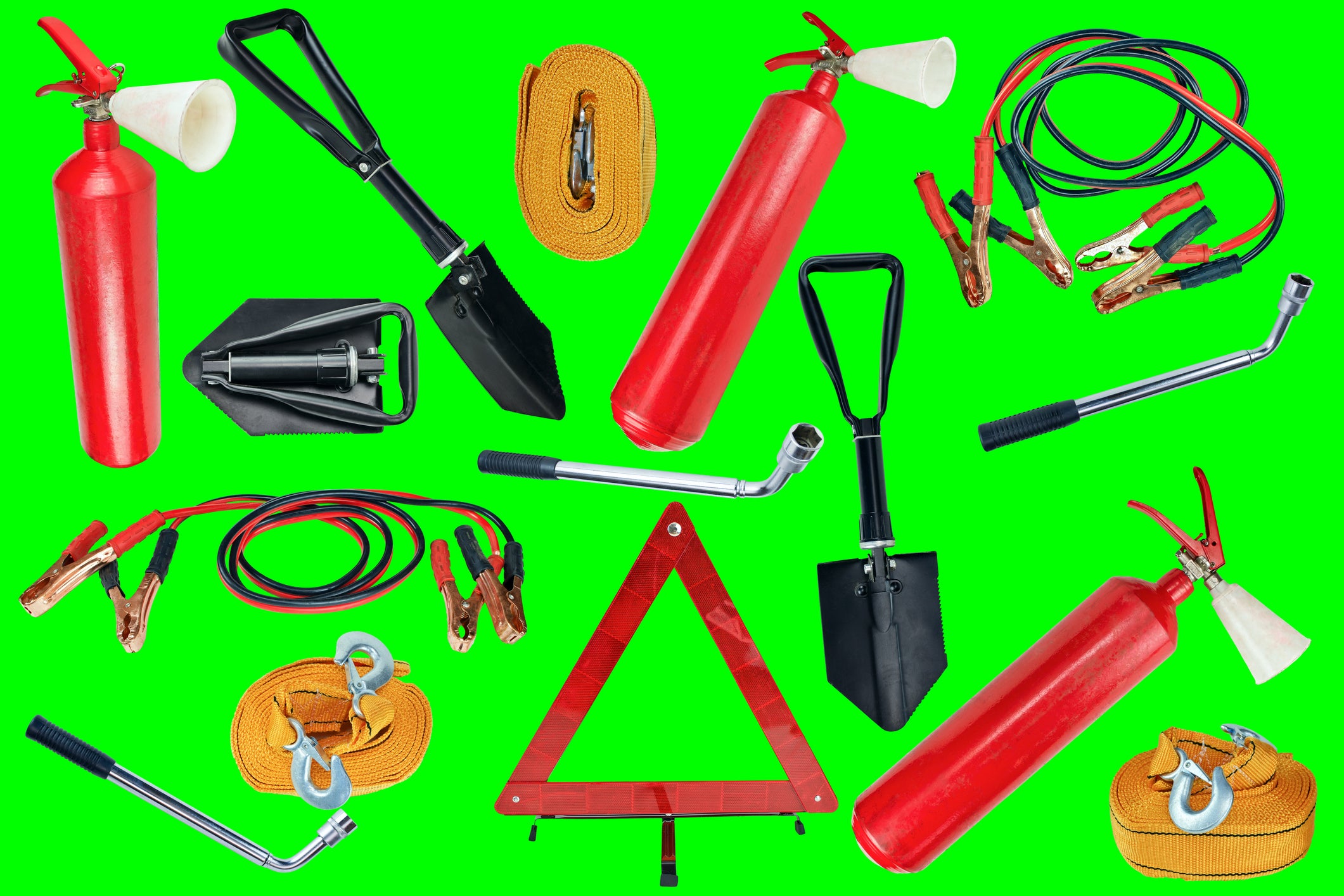
Elements of the essentials for a passenger car

Essentials to Pack in Your Roadside Emergency Kit

Be ready for wherever the road takes you, no matter what the adventure!  Today’s blog is all about staying road-trip ready in a heartbeat by having the ultimate emergency car kit set to go as you need!  Our emergency preparedness kit will get you through every season no matter the weather.  Staying aware and equipped for the unexpected is the only way to travel.  This list will be a great jumping off point to tailor your kit to your own needs with any extras, but you’ll have all the basics covered to get you started!  Of course, you can purchase any number of premade assembled kits online, such as the options from the AAA Roadside Emergency Kit Collection, but building your own is just as easy and leaves plenty of room for customization. more First Aid Kits are an absolute must have. You’ll want to choose something comprehensive that includes bandages, gauze, OTC painkillers, instant cold packs, a small pair of scissors, and sanitizing wipes.  If you’re someone who enjoys offroading, we recommend also including Burn Gel, Liquid Bandage, Antibacterial Ointment, tweezers, a stethoscope, blood pressure cuff, face masks, and additional OTC medications like Benadryl, Immodium, Dramamine, and any spare prescription drugs you normally take (stored in their pharmacy bottles if possible for storage.)  Of course, you can always amend and add additional items as needed to personalize your kit. Emergency Lights and “Flares” will help you in numerous situations. An LED headlamp, crank flashlight, and small portable battery flashlights can help you peek into the engine and diagnose issues, or even read a map at night when you’re lost.  If you’re stranded on the side of the road, these devices can also help other motorists spot you, helping you avoid an accident until help arrives.  LED flares can replace the traditional lit flare and are more durable and more visible than their predecessors. Likewise, reflective triangle signs can be a great idea as well for an easily portable option to increase visibility. Jumper cables, as well as extra device chargers and a portable battery charger should be stowed in your emergency kit for help with emergency calls and additional navigation backup. Ensuring you have a pocket sized battery bank for power can keep your smartphones and tablets charged in case of emergency. For added convenience, you may also want to carry a portable car battery charging bank if you’re traveling remotely and need to jumpstart your car without another vehicle. A Basic Tool Kit including screwdrivers, 2 pairs of pliers, a customizable wrench, lug wrench, duct tape, a small rechargeable drill, and a basic car jack will get you back up and running for minor vehicle repairs in a pinch.  Additionally, a multi-tool and swiss army knife can be used to break windows or cut seatbelts in the event of a crash or collision, among other things like opening packages or cutting tape or wires. A Tow Rope or Tow Chain and traction mats can come in handy for difficult situations like getting stuck in the mud or snow, and regaining traction on offroading adventures. Kitty litter and sand are also great options for additional traction assistance. An Ice Scraper, Snow Brush, portable shovel, and De-Icer are winter weather essentials that can easily stow in your vehicle year round, so they’re ready when the weather hits. Rain Poncho and travel umbrella can keep you dry while you’re working on your vehicle or waiting for assistance on the side of the road. Work Gloves and Winter Gloves are excellent emergency essentials to protect your hands during emergency roadside repairs, while handling equipment for added grip, and avoiding injury or burns from bumping hot components under the hood. During winter, the gloves will provide insulation to help you dig out or clear off your vehicle. A Tire Repair Kit, portable air compressor, and spare tire are an absolute must!  You’ll be able to quickly get back on the road or make it to a service center with the tire plug kit, avoiding the need to use your spare or donut. The air compressor can work with a vehicle’s “cigarette lighter” port or a USB port to power it and inflate your tires in a jiffy even if you’re nowhere near a service center or gas station. Blankets and a bedroll or sleeping bag will keep you warm and comfortable while you await for assistance especially if the vehicle’s heating and air conditioning isn’t working properly. Likewise, a cooling blanket or light weight blanket for summer can give you a comfortable surface to sit on while you wait outside your vehicle for help to arrive. A small portable fire extinguisher that’s rated for automotive use is a huge help with controlling minor fires, more common in the summertime from overheating. Pet Emergency First Aid Kit, Water Dish, Fleece Blanket, Cooling Blanket, harness and collar with identification tags, and a slip leash can be of great assistance when traveling with your furry friends, especially in the event of an emergency. Having additional identification as well as spare water bowls and food bowls can keep them occupied and hydrated while they wait with you. If your pet happens to get loose or lose their collar during an emergency, you can quickly replace it with your spare collar. Manual lists of all emergency contact numbers and medical information is vital in case of an accident where you need assistance or are unable to communicate with emergency personnel.  Make sure you include names of family members or emergency contacts as well as any medications listed, and health diagnoses so that you may be treated safely in the event of emergency. Seasonal and regional items should be rotated as needed – In the summer, pack sunscreen, water, and a sunshade; in the winter add extra clothing like warm sweatshirts and sweatpants as well as a hat/gloves/socks; if going to remote areas, include water and shelf stable snacks as well as a manual compass and paper map of the areas you’re traveling to.

Happy black woman hiking in the mountains and looking at camera.

3 Amazing Backpacking Destinations in the Midwest US

Today we’re sharing three amazing places in the midwest to live out your backcountry backpacking dreams!  If you’ve found yourself watching adventure documentaries and reading survivalist fiction, this is the perfect place to start your own exciting adventure!  You’ll find plenty of thrills, challenges, scenic views, and memorable experiences along the way as you check out these three magnificent natural areas.  From off-road hiking to sleeping under the stars in nothing but a hammock or lean-to, these camping and hiking destinations offer a unique experience of wilderness fun!  So gear up, grab your best hiking shoes, and pack up those maps because we’re about to hit the road making unforgettable memories of a lifetime. more Pictured Rocks Lakeshore in Michigan along North Country Scenic Trail offers nearly 100 miles of park trails, with 42 of them running adjacent to the shores of Lake Superior.  There are 13 designated backpacking campground areas along the trail, and some of them are very small, intimate locations, perfect for respite away from the 9 to 5 job; there is even one boat-in only site located at Grand Sable Lake but you’ll need to BYO boat to access it.  Be mindful that you will need a backcountry permit to camp and hike here, so book that in advance of your travels!  If you’re looking for unmatched scenic views, challenging hiking trails in sandy terrain, and a real “rough-it” style camping experience, this is the spot for you!  You’ll also want to bring a compass and a map, as most smartphones and cell phones will not work in the park, so plan accordingly with printed waterproof maps before coming!  Alternatively you can download the NPS Mobile App to download the park info over wifi before heading out to the trails.  This hike and backcountry trails are not pet friendly, so leave your furry friends at home. Sheltowee Trace National Recreation Trail in Kentucky is a whopping 343 miles long hiking trail chock full of challenging terrain and plenty of backcountry adventures!  The trail is a long-distance hike, so you’ll need plenty of outdoor experience, expert navigation skills, and a lof of endurance to make it to the end.  Trails here are generally well marked, but it’s recommended you still download an offline map or bring printed media and a compass. Camping is either in designated campground areas, or a minimum of 300 feet off the trail itself.  It’s important to note that if you opt for the long haul full thru-hike, you will not cross into “civilization” often during your route, so plan accordingly with supplies; you’ll only encounter 5 towns along the way: Moorehead, McKee, Livingston, London, and Stearns.  The trail crosses through areas such as Red River Gorge, Natural Bridge State Park, Cave Run Lake, and the Big South Fork Recreation Area. If long haul backpacking isn’t your style, there are plenty of 1 to 2 day and night trail routes available as well. Ice Age National Scenic Trail in Wisconsin runs 1200 miles through the state following the path of historic geologic features carved by the Laurentide Ice Sheet over 12,000 years ago!  The trail is mostly off-road hiking and backpacking, but passes through several small towns along its winding route.  Portions of the trail pass through Kettle Moraine Forest and areas like Devils Lake State Park, and Interstate State Park.  Some regions allow camping just off site of the trail, while other portions allow camping in designated campsites or areas along the way;  be forewarned that campsite areas are often spaced far apart, so be sure to plan any multi-day hikes accordingly.  The trail does have areas open for hunting and fishing in designated spots.  Otherwise you’ll enjoy some truly spectacular nature walks, challenging hikes, birdwatching and wildlife spotting, and plenty of stunning stargazing.

Toyota is a Proud Sponsor of the 2025 NFL Draft in Green Bay, Wisconsin (April 24th through 26th)

The 2025 NFL Draft is heading to Green Bay, WI April 24 - 26 and Toyota is proud to be returning as the Presenting Partner of the Red Carpet and joining the 2025 NFL Draft Experience! And Classic Toyota has all the details! more Draft Experience for Fans with the Toyota NFL Grand Entrance! Fans can step onto the red carpet for a shareable video moment at the “Toyota NFL Grand Entrance” space while surrounded by Toyota vehicles like the 2025 Grand Highlander, 2025 4Runner, and the custom-built Ultimate Tailgate Tundra. Entry is free from April 24-26 and NFL Draft Experience details can be found on NFL.com and the NFL OnePass app. As the Official Automotive Partner of the NFL, Toyota Motor North America celebrates the NFL Draft by saluting future superstars and widening the spotlight to include those that support their path to greatness. Toyota showcases its partnerships with NFL FLAG and Green Bay quarterback Jordan Love through exclusive content and live experiences, while also showing the all-new 2025 Grand Highlander. Toyota sponsored the 2025 NFL Draft Red Carpet and created a fan fest area inside the NFL Draft Experience, each centered on the thrill of a grand entrance into stardom. In partnership with NFL Media, Toyota’s red carpet coverage highlighted top Draft prospects as they celebrate those who shaped their journey. At the 2025 NFL Draft Experience in Green Bay, set against the legendary backdrop of Lambeau Field, fans had their own chance to make a grand entrance—just like the future stars of the game. NFL Draft Theater with Jordan Love, Toyota, and NFL Flag Players! Team Toyota athlete Jordan Love will join efforts with Toyota in illuminating rising talent during the Draft’s biggest moments in Green Bay. Toyota will elevate NFL FLAG players to the Draft Theatre stage in Green Bay to announce a draft selection live. Building on this excitement, young athletes joining Green Bay NFL FLAG this season will receive a superstar welcome into their next season, courtesy of Jordan Love and Toyota. To grow the game, Toyota will cover NFL FLAG Fall registration kit fees for teams within 25 miles of the Green Bay area. This effort builds on the more than 182,000 players that Toyota dealers have supported nationwide in local league play. “These FLAG athletes are at a key point where visualizing their future success is critical, so I think it’s really cool that Toyota and I can help put them on a path to walk the red carpet, get an insider’s look at the Draft and then actually select a live pick on the Draft stage,” said Green Bay quarterback and Team Toyota athlete Jordan Love. “Joining Toyota in covering next season’s registration fees for leagues in the Green Bay area furthers young people playing this great game.” The 2025 Grand Highlander and NFL Draft Highlights The 2025 Grand Highlander will be featured on the Red Carpet in Green Bay alongside Draft prospects. And just in time for the NFL draft, the 2025 Toyota Grand Highlander will make its grand entrance on 4/21 in a brand-new commercial. Playing off the cultural phenomenon of “game day drip,” the latest work from Toyota shows a group of young flag football players arriving at the field in style and stepping out of the stylish Grand Highlander in a cinematic, slow-motion walkup. The commercial will be featured across linear, digital and social channels. Whether you’re rolling up to the NFL Draft red carpet or a neighborhood flag football game, the Grand Highlander is a stylish SUV that turns heads for a grand entrance. “Toyota knows greatness doesn’t drive solo. Our NFL Draft campaign rolls out the red carpet, giving future superstars a grand entrance alongside those who helped set them on a path to success,” said Dedra DeLilli, vice president of marketing communications, Toyota Motor North America.

Torn paper with word are you covered

How to Select a Quality Car Insurance Plan

Today on Classic’s Gearhead Guru Guide installment, we’re sharing some tips on what to consider when shopping around for good car insurance.  We know the task of weeding through all the policy details, coverage limits, and even different companies can seem daunting!  That’s why we’re here to help enlighten you, and take a little bit of the guess work and stress out of the process. After today’s blog, you’ll have a great foundation for making an informed decision on the best policy that’s right for your vehicle and your budget. more What do I watch out for when shopping for insurance? Does it really make a difference what company I go with? Budgeting for good, quality car insurance when purchasing a car can save you hundreds in costly repairs, and avoids time wasted from playing phone tag or chasing via email. When you choose a reputable insurance, you will have more flexibility in selecting your regular mechanic, or the option of having your car fixed by a professional partner shop. Beware of discounted insurance, as it usually results in less coverage than you need and major customer service hassles. The national companies might have slightly higher rates, but they are still competitive, reliable, and efficient. Stick with a national, reputable insurance company, and you’ll ensure that your claims are handled professionally and efficiently. How do I narrow down my choices? Check your local and state guidelines for required insurance coverages. Some regions and states may legally require specific coverage levels or policy types for residents, while others may have more flexibility in coverage. Get quotes from several different insurance companies before selecting your policy, and compare the benefits, perks, and financials of each. Consider shopping around for a new policy every few years to make sure you’re getting the best rates!  You may find better rates at a different insurance provider due to age, vehicle type, location, or even driving habit history. Make a list of your must-haves and additional coverage options that would benefit your driving style. Those who are on the road more often, or who may have significant travel for work, may benefit from additional perks such as Roadside Assistance or Rental Car Reimbursement plans.  Likewise, deselect these add-on options before starting your policy if they do not fit your lifestyle and driving needs; it will save you lots of money for features you’re not using. Explore your options for discounts for things like opting for installments versus single-pay and ask about discounts for good driving history. Some insurance companies offer discounts for single pay or quarterly installments, or additional savings breaks if you’ve set your premiums up to be paid automatically. Some companies offer a discounted rate for 0 accidents, and will offer reduced rates for longevity as a subscriber. If you’ve got renters or homeowners insurance, or other vehicle insurance such as boat or motorcycle, you may inquire of your provider about bundling your premiums. Many companies will offer significant savings when you select multiple policies options through their umbrella of coverage plans. What about types of coverage? Let’s take a look at the different types of coverage insurers offer, and which may be required policies for residents of specific states. Types of Coverage and Policies Liability Coverage - This type of coverage pays for both property damage you cause to someone else’s property, as well as any bodily injury or harm caused to others resulting from the accident. This may include hospital bills, medical bills, loss of wages, pain and suffering, etc. Uninsured and Underinsured Motorist Coverage - This coverage protects you from damages due to the other vehicle/driver’s inadequate or lack of coverages. Some drivers operate vehicles without insurance or with less-than-adequate coverage, and this plan will cover many of those gaps. Personal Injury Protection - This type handles your medical/rehabilitation and hospital costs, any work/wage-loss costs, and funeral/burial expenses. This is sometimes referred to as no-fault insurance, as it covers expenses regardless of who is at fault in the accident. Comprehensive and Collision - Comprehensive insurance provides coverage for accidents and events that are outside of your control, including things like weather, theft, or vandalism, etc but it does not cover hitting another vehicle or object, nor wear-and-tear. .  Collision coverage keeps you protected from collisions with another vehicle or object; some drivers choose to opt out of collision if the cost of premiums overshadow the estimated value of their vehicle. (Ex: if your vehicle is used or older and is worth $1500, but your premiums are $1800, you may not wish to carry collision coverage.)  These policies may be required by your lender if you’re leasing a vehicle or your car is on financing plans.

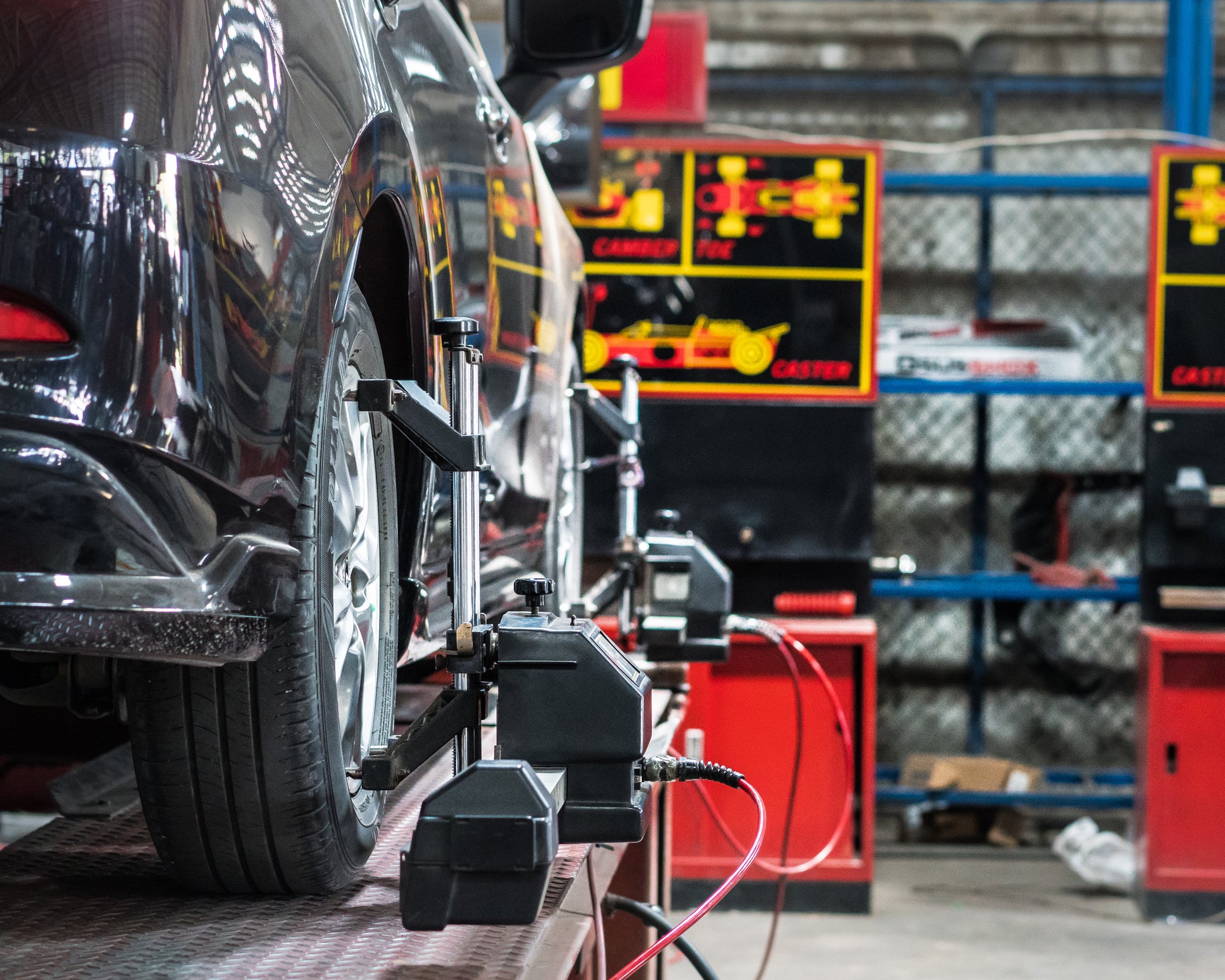
Car Steering Wheel Balancer Calibration

What Happens During a Vehicle Alignment Appointment

Today on Classic’s latest Gearhead Guru Guide installment, we’re breaking down the ins-and-outs of the Alignment process, and why it’s a vital part of regular service maintenance appointments. Learn when to perform a tire rotation, when to have your wheels balanced, and what parts of the vehicle will be inspected during an alignment appointment.  It’s all right here on today’s blog! more What should I be doing regularly to maintain proper alignment and wheel care? You should be having your tires rotated regularly to ensure even tread wear. In general, it’s recommended to rotate your tires with each oil change or at minimum every other oil change, which on average is about every 3,000 to 7,000 miles.  You’ll want to balance your wheels every 15,000 miles or so.Your driving style, driving habits, and road conditions all affect wear and tear on the tires, and by rotating you’re extending the life of your tires and ensuring even wear. During appointments, your mechanic will also inspect the condition of your tires and let you know if they notice uneven wear and tear, as this may be an alignment issue.  Your vehicle will occasionally need a realignment to ensure your tires and wheels are adjusted in the right direction to prevent excessive wear or damage.  A misaligned vehicle may have poor tire wear, improper handling, decreased fuel efficiency, and the vehicle may become harder to control thus increasing the risk of accidents. What types of alignments are there for vehicles? There are three regular types of alignments available - front-end alignment, thrust alignment, and four-wheel alignment.  Your vehicle’s suspension determines which kind of alignment your service technician will perform.  Let’s break it down for each type so you can better understand what your mechanic will be completing during your appointment. A front-end alignment is the most basic type of alignment, and makes adjustments to the front axle. A thrust alignment is a combination of a front-end alignment and a thrust alignment. It makes sure all four wheels are squared with one another and level. Four-Wheel alignments combine some parts of front-end and thrust alignment, along with making sure the rear axle is in the proper position.  This will typically apply to 4WD, AWD, and FWD vehicles which have adjustable rear suspension. What areas of the vehicle are adjusted during an alignment? Camber - This is the vertical angle (inward or outward) of the tires when examining the vehicle head on.  It’s common for most vehicles to have a slight negative camber, as this aids in stability. Caster - This is the forward or backward angle of the steering axis, and is viewed from the side profile of the vehicle. This helps your vehicle maintain a straight course of driving, and assists with the steering wheel returning to center after turning. Thrust - This is a measurement of comparison between the rear axle direction and the centerline of the vehicle.  It also helps examine the wheelbase and ensures the front and rear axles will be parallel to one another. Toe - This is the angle at which the tires turn in or out when the vehicle is viewed from above. Ensuring a proper toe is crucial to ensure even wear so you can get the max mileage out of the tires. Your mechanic may also check the steering components to ensure they are in good condition, as well as all of the suspension components. What Happens During an Alignment appointment at the service center? Your service technician or mechanic will take the vehicle for a short test drive to best assess what is going on with your vehicle.  Once they’ve diagnosed the issue, they’ll raise the car on a lift and check your tires as well as the suspension for any faults.  They will let you know what parts, if any, are broken or have intense wear-and-tear and need replacing, and once they’ve been swapped for new parts, they’ll begin with the alignment process. The alignment process begins with checking each tire pressure, and adjusting as needed to reach proper pressure (manufacturer recommendations.)  Following that, the vehicle will be connected to the alignment machine, and the mechanic will use a computer to adjust the suspension according to the manufacturer's guidelines. After the alignment process is complete, your vehicle will make sure the steering wheel is centered, and then take the vehicle out for a test drive to ensure the alignment process is complete. If any adjustments are needed, they’ll repeat the process until all is in alignment.

Red River Gorge

Exploring Red River Gorge in Kentucky

Today we’re taking a road trip over to Kentucky on our next installment of our Road Trip ready destinations.  We’re headed to the Red River Gorge region for a fun-filled getaway to an outdoor paradise. Red River Gorge Geological Area is an adventurous outdoor getaway for all types of nature enthusiasts!  Whether you like kayaking or canoeing, rock climbing or hiking, horseback riding or ziplining, or even exploring historic sites, you’ll find plenty of activities to keep you busy from your arrival to departure. more Visitors of all hiking skill levels will enjoy exploring the Original Trail to Natural Bridge, Whistling Arch Trail, Sky Bridge Loop, and Angel Windows Trail, just to name a few short hikes with big scenic views. You can book a climbing trip with professional Instructors and Tour Guides with KRAG. Clip into a zipline and soar 300 feet over The Gorge in one of the state’s fastest Zipline courses, including a side-by-side line to race with your friends and family! If you love nature and animals, you’re also in for a treat!  From May through June, the area is a birder’s paradise as the woodland warblers and various neotropical birds return to the area and are at their peak activity and visibility; you’ll also find year-round residents such as various Hawks, Hummingbirds, Great Blue Herons, Pileated Woodpeckers, Carolina Wrens, Belted Kingfisher, and more.  For the anglers in your group, you’ll find Mill Creek Lake to be a perfect spot for fishing with catches such as Bass, Bluegill, Crappie, Sunfish, Trout, Catfish and more. Nature photographers will be excited to catch some shots of Black Bears, Foxes, the Virginia Big-Eared Bat, White-Haired Goldenrod, and more; the area is home to 67 species of reptiles and amphibians, 46 species of mammals, and 100 species of birds.  Plus, there are numerous fungi, mosses, trees, and wildflowers growing in the area and changing each season! But That’s Not All there is to do in the area…. Kentucky Reptile Zoo houses more than 100 species of reptiles including turtles, alligators, lizards, anacondas, and so much more. There are thrice daily reptile shows, and you can even learn how venomous snakes are used to collect venom for development of antivenom and more. You’ll get to talk to the experts and learn about global and local reptiles and their environments.  Hop on a guided tour and get the inside scoop from a knowledgeable guide about all the exhibits up close and personal. Cable’s Riding Stable’s is a family-owned and operated riding stable featuring trail rides through the local trails and scenery. You’ll get a guided tour on horseback ranging from 45 minutes to an hour, and both children and adults are welcomed. Kentucky Dragway is the largest facility and biggest venue in Powell County, and one of the oldest drag strips in the nation. It first opened its doors in 1963, and has been home to drag racing tradition ever since.  The Kentucky Dragway is a family friendly venue aiming to provide safe, clean fun to race fans and drivers alike.  Every Friday and Saturday from March through November, weather permitting, where you can enjoy classic drag race motorsports. Specialty Events also run on select weekends from Friday through Sunday. Natural Bridge State Park is adjacent to the Daniel Boone National Forest, and located near the Red River Gorge Geological Area. This stunning sandstone arch bridge spans 78 feet and is 65 feet high, and is an incredible destination year round for visitors.   It’s a popular spot for hiking, canoeing, swimming, and even camping, making it another great stop on your trip to the Red River area!  The area features high stone cliffs, stone arches, natural mountain springs, carved rock formations and tunnels, and exquisite hiking trails through magnificent evergreen forests.  The Natural Bridge Cave takes you beneath the earth to explore underground formations.  Lookout Point offers panoramic views of the area and surrounding forests.  Mill Creek Lake makes for a wonderful swimming space and picnic area.  The Sky-Lift brings you up 1 mile across the steep terrain offering scenic views and a shortcut to visiting the arch itself. The Gorge Underground offers an incredibly unique look at the region via boat and kayak tours through historic mines.  Book a tour with an expert and make your way through a 100-year+ limestone mind and learn the history of the Red River Gorge from within a custom-built cave boat.  Or you can opt to paddle your own way through the mines in a one-hour kayaking tour with an experienced guide lit by headlamp and lanterns.  Looking for something once-in-a-lifetime? You’ll certainly get what you’re looking for and then some with Sup Kentucky’s incredible Crystal Clear Kayak and Crystal Clear Sup Tours; explore the Underground with a crystal bottomed kayak with LEDs and get a look at the water below, or book a 90 minute Stand Up Paddleboard Tour with a crystal LED paddleboard.

Mechanic's hands repairing a car in an auto repair shop

Learn the Signs of Common Engine Problems and How To Avoid Them

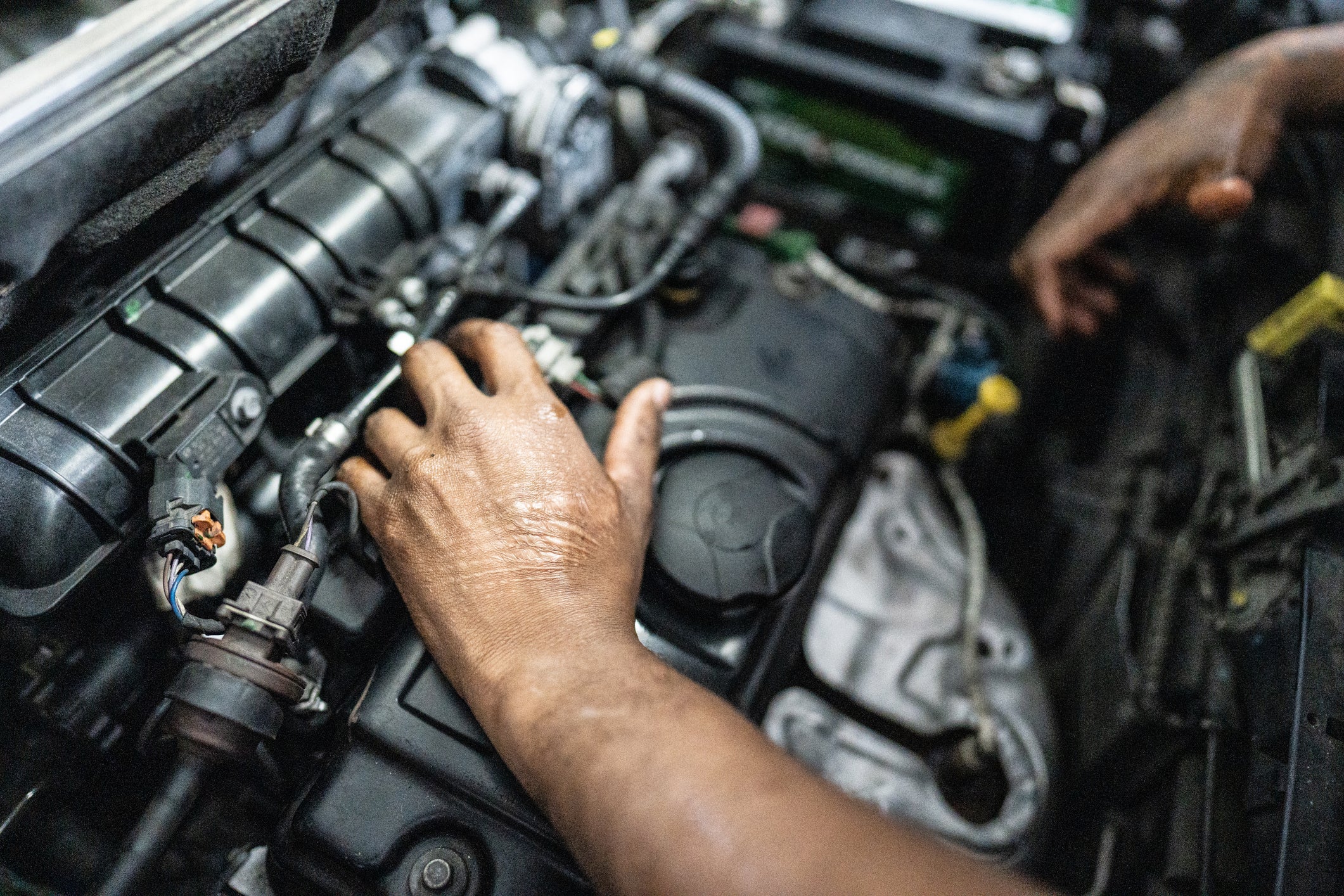
Spring is finally here and we’re so excited!  We’re planning plenty of weekend getaways and short road trip adventures, sort of like a microdose of that Summer Vacation energy.  But with this increase in travel comes the reminder that now more than ever, you should be keeping up with your maintenance.  Maintaining your regular service call schedule and maintenance appointments may also decrease the risk of having engine troubles due to long drives and increasing hot weather.  Let us help you be prepared for anything with today’s latest installment of the Gearhead Guru Guide! more Your vehicle’s engine has one primary function: Convert fuel into mechanical energy and propel the vehicle forward.  An internal combustion engine converts energy from heat of the burning gasoline into mechanical torque, which is applied to the wheels to make the car move.  Key engine components that make this process work seamlessly include Pistons, the Crankshaft, cylinder, and Valvetrain.  Maintaining your engine through oil changes, coolant checks, and regular tune-ups can help extend the life of your vehicle. Keep reading to learn more about how to diagnose common engine problems and how to avoid them! Don’t skip those oil changes and remember to regularly check your vehicle’s oil! Proper lubrication is key to ensuring your engine works properly by reducing friction and preventing overheating. Skipping engine oil changes can lead to increased emissions, overheating, poor fuel economy, increased wear on the engine, and potentially catastrophic engine failures. The average oil change should be performed every 3,000-6,000 miles, but you’ll want to consult your owners’ manual for specifics on your make/model and year vehicle. (Some synthetic oils allow up to 10,000-15,000 miles between changes in specific cases.)  Check your oil regularly to make sure it is clean and clear; if it looks dirty and dark or sludgy, bring it in for an oil change and inspection ASAP to ensure no further damage is occurring meanwhile. Flush and change that Dirty/Old Coolant and avoid overheating! For vehicles that are 5+ Years old or have 100,000+ miles on them, bring your vehicle in to a service center for a radiator flush and refilled with fresh coolant. Dirty coolant is rendered no longer effective, leading to rust, corrosion, reduced flow and clogs. If your dirty coolant clogs the radiator, your vehicle is likely to overheat and cause serious damage. Avoid engine misfires, rough idle, and low gas mileage by replacing spark plugs at recommended intervals. Vehicle spark plugs should be swapped every 30,000 to 100,000 miles, depending on the make/model/year of your vehicle. You can consult your vehicle owner’s manual for the proper timeline of replacements. Continuing to drive with a faulty spark plug reduces power to the engine, tanks your fuel economy, and can put a heavy load on vehicles with a catalytic converter. You can do a visual inspection to check if your spark plugs are worn; a normal spark plug will have brown or gray or tan deposits. If the sparkplug is bad, you may notice white deposits and residue, melted electrodes, black dry soot, or even black and oily deposits, which each have their own issues. Bring your vehicle in for a spark plug change and diagnostic to stay ahead of any other related troubles brewing. Don’t ignore any signs of coolant leaks! If your vehicle loses too much coolant, the engine could overheat, resulting in poor performance levels, a significant drop in power, and potentially catastrophic engine damage. You should bring your vehicle in ASAP for a service repair if you notice any coolant leaking. If it happens while driving, the damage could happen very quickly depending on the temperature, speed at which you’re driving, and how little coolant remains – you could have minutes before it overheats.   You can check for signs of a coolant leak around the radiator cap, the hoses in the engine compartment, and also on the actual radiator itself.  Sometimes, a leaking hose or hole in the radiator may be a slow leak, and may not overheat quickly.  Additionally, there is a significant environmental safety issue with leaking coolant, as the sweet smell often attracts household pets, wildlife, and sometimes even children, who may ingest it and face toxicity issue. So if you notice or suspect a leak in the coolant, bring it in ASAP! Other common culprits of engine troubles your mechanic may bring up include (but are not limited to) damaged oxygen sensors, lean or rich air and fuel mixtures, worn combustion parts, bad fuel injectors,and more. If you suspect any engine issues may be affecting your vehicle, you can call Classic Auto Body Shop of Waukegan and we’ll help you get your vehicle in tip-top shape.

Male Finger Checking Oil Level on a Dipstick

How to Choose the Right Type of Motor Oil

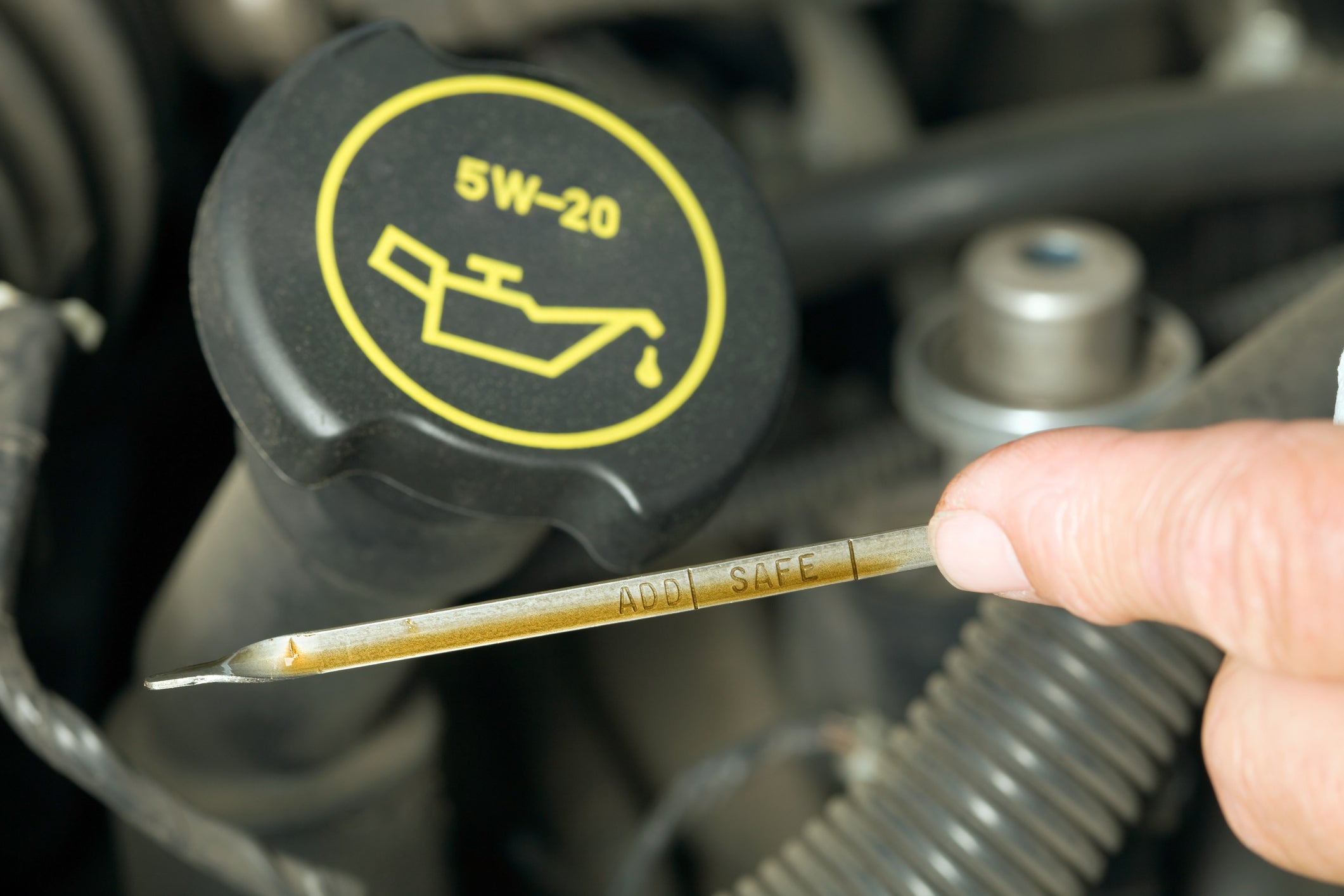
If you’ve ever found yourself overwhelmed in the aisle of the automotive store, we think today’s post will give you a little boost of confidence.  Determining which type of oil your vehicle needs can seem daunting at first, with all the types and varieties on the market. Selecting the right type of oil for your vehicle depends on several factors: the manufacturer's make/model recommended option, the environment and climates you’re driving in, your driving habits, and even the age of your vehicle.  We’re going to break it down for you today a little further so you can level up your gearhead knowledge! more Types of Motor Oil You should always select the motor oil type listed in your vehicle manufacturer’s owner’s manual for proper care and longevity.  There are four general types of motor oil, each serving a different purpose. Conventional Motor Oil is the most common type of motor oil on the market. It’s ideal for cars with low to average mileage, simple engine designs, light-duty vehicles, and older model vehicles. Many mechanics also recommend this type of oil for vehicles over 75,000 miles to help older engines receive more lubrication.  It’s readily available at every repair shop and most retailers, and is very affordable. The cons here are that it doesn’t last as long between oil changes as synthetic oil, requiring oil changes every 3,000 to 7,000 miles. Synthetic Motor Oil is best for vehicles which require peak performance and high levels of lubrication. The synthetic option provides higher viscosity, reduced oxidation and thermal  breakdown, and helps prevent oil sludge.  It can also improve fuel efficiency and horsepower.  However, this is one of the most expensive options, costing anywhere from two to four times that of conventional oil.  This oil is best for those who depend on their vehicle for heavy towing and hauling, extreme weather conditions (very hot or very cold), and for those with turbochargers.  It does outlast conventional oil in duration between changes, requiring 10,000 to 15,000 miles or every 6 months to a year. Synthetic Blend Motor Oil offers a middle ground between Full Synthetic and Conventional Motor Oils.  This type of oil is a blend of synthetic and conventional with additives to assist in preventing oxidation. It’s becoming one of the most popular options on the market, and makes it easy for drivers to make the swap from conventional to synthetics. This option is a cost effective way to give your engine increased protection and performance of synthetics without the higher price tag. High Mileage Motor Oil is specifically designed with vehicles of more than 75,000 miles. This oil is formulated to help reduce oil seepage and minimize leaks, as well as reducing emissions in older engines. When is the Ideal Time for an Oil Change Your manufacturer’s owner’s manual will tell you the best peak time to change your oil, but here are some other signs that you need an oil change. Check your oil levels at regular intervals and ensure the oil on the dipstick is between the low and high marks. Next, look for signs of dark, dirty engine oil by checking the dipstick; fresh oil will be a clear, amber color while a darker, grainy, or dirty oil indicates you’re in need of an oil change. Your vehicle’s check engine or oil-change light reminder may illuminate on the dashboard. If you hear loud noises from the engine such as a knocking or grinding noise, this may indicate the engine has poor lubrication and an oil change and refill is necessary. You may also notice unusual smoke from the exhaust. You may notice you’re not getting proper mileage to the gallon as average; low oil levels can lead to reduced fuel efficiency.

Woman hiking through the Badlands National Park in South Dakota

Plan Your Day Trip Itinerary to the Badlands National Park

Our next National Park destination guide is for the Badlands in South Dakota, open 7 days a week, 365 days a year, so there’s always something to see and do.  Renowned for its diverse ecosystems teeming with wildlife, rugged beauty featuring landscapes with unique geological formations and breathtaking terrain, and rich history, it’s a top notch spot.  The best times to visit for a quiet excursion would be Autumn followed by Spring (although, prepare for those April showers!) with Summer being hands-down the busiest time. Now that you’ve got your calendar dates set, we’ll work on our itinerary to explore just a fraction of this park’s whopping 244,000 acres of parklands. more Why visit the Badlands? What Makes it so special? The first thing you’ll notice are the park's plentiful buttes, mesas and geological formations, thanks to millions of years of erosion due to rain and winds.  The valleys and plains are home to some unique fossil beds with finds such as prehistoric horses and even saber-toothed wildcats.  If you[‘re looking for thrills and exhilaration, you’ll find it with a range of activities from hiking to roughin’ it with backcountry camping and backpacking, as well as mountain biking and cycling. Plus, it’s a wonderful place to do some serious stargazing thanks to its dark skies and open spaces unfettered by metropolitan lights and civilization. The Visitor’s Center is a great place to start your trip. The rangers there will help guide you to the best hikes and areas for your party’s skill levels and experience, so you’ll find the most advantageous options.  This will help you maximize your comfort, and reduce your stress so you can actually kick back and experience all the fun there is to be had! It’s important to note that pets are prohibited from public buildings, backcountry areas, the Badlands Wilderness Area, and protected prairie dog colony regions.  Your pets are only allowed in the campgrounds and picnic areas, gravel or paved roads, and the parking lots. All pets MUST be leashed no longer than 6ft, and you’re required to pick up their waste and dispose of it safely. The park is also known for its heavy silt and sediment, thanks to the bentonite clay in the rock formations.  Make sure that if you’re hiking or camping out here, you pack plenty of water as none of the groundwater or springs host potable water for humans. What Must-See spots are in and around this magnificent national park? There are 25 designated trails in the Badlands, and pets are prohibited from these areas for the safety of you and the wildlife.  Easy-to-moderate trails that visitors recommend are the Cliff Shelf Nature Trail, Notch Trail, Door Trail, Window Trail, and the Fossil Exhibit Trail to get you started. The Badlands Loop Road Scenic Drive is a mini road trip in a road trip, taking you along a 2 lane 31 mile long road with plenty of spots to stop and appreciate the scenery.  Visitors and rangers recommend stopping off at places like Big Badlands Overlook, Cedar Pass, Norbeck Pass, Panorama Point, Conata Basin Overlook, Pinnacles Overlook. Roberts Prairie Dog Town is an incredible stop if you’re looking to do some wildlife spotting. You’ll catch plenty of magnificent creatures including the majestic bison, charming little prairie dogs, impressive Bighorn Sheep, white-tailed deer, mule deer, elk, pronghorn, foxes, and plenty of birds. Outside the park limits but just a short drive away, you’ll be able to see even more National Monuments and historic sites. Some of these include the historic Wall Drug, which is great for a food break and a quirky stop to visit with kids and teens; Wind Cave National Park; Custer State Park, and even the Mount Rushmore National Memorial.

Northern Lights in Voyageurs National Park

See the Aurora Borealis and More at Voyageurs National Park

We love highlighting destinations in our home turf, the good ol’ US of A, and especially if we can give you some ideas less than a day's drive away from the Chicago area!  On today’s travel bucket list, we’re hitting the stunning Voyageurs National Park! more If you’ve ever dreamed of seeing the aurora borealis, but a flight to a Nordic country isn’t in your budget, then we’ve got great news for you!  This is a certified International Dark Sky Park, meaning it’s an absolutely perfect place to see the Northern Lights, as well as the Perseid Meteor Shower. It’s world-renowned for its crystal clear waters, a dream nature photography spot when it comes to wildlife spotting, and perfect for campouts. Let’s Get To Know What Makes Voyageurs National Park a Must See Destination The forests and plant life here are part of a transitional area between boreal forest and a temperate deciduous forest; there are more than 50 different tree and shrub species, more than 40 fern and moss species, 200 plus grasses, and more than 400 different types of wildflowers here, with native options including lady’s slipper, bunchberry, red columbine, twinflower, and marsh marigold. Locally cultivated wildflower displays are part of the park’s ongoing conservation efforts, and are not to be disturbed by visitors. Mushroom hunters will be delighted to learn that there are abundant species of fungi and mushrooms, which thrive in the park thanks to its many lakes and ponds, so many in fact that they are too plentiful to quantify and number. This area is absolutely teeming with wildlife, as well as plenty of birds and bees who appreciate the local flora and foliage. Keep your eyes peeled and you might spot some otters, hares, porcupines, moose, wolves, bald eagles, and more! The Rainy Lake Ethnobotanical Garden is a labor of love, a methodically curated restoration project focused on propagating local native plants and reducing invasive plants encroaching on the parklands. And of course, we’d be remiss if we didn’t mention the Ellsworth Rock Gardens; this project was created by self-taught artist Jack Ellsworth, blending the natural environment with fine arts and natural elements. The park offers more than 50 miles of hiking trails with options ranging from easy to moderate in difficulty, to match every experience level. You can hike them on your own with a map, or join in any of the ranger-led activities to learn more about the area and get a unique perspective of the park’s cultural and natural histories. Enjoy kayaking, boating, fishing, paddleboarding, canoeing and more along the various lakes including Rainy Lake, a freshwater lake along the Minnesota and Canada border with a third of the lake’s area located inside Voyageurs National Park; Namakan Lake, half of which is located within the limits of Voyageurs National Park; Sand Point Lake which is on the border of Minnesota and Ontario, and half of which is situated within the Voyaguers National Park; Kabetogama Lake which is entirely nestled in the National Park limits and has an impressive 78 miles of shoreline and 200 islands.  There are also 26 smaller inland lakes, which when combined with the aforementioned contribute to a third of the park’s total area! The park is one of the best fishing spots in the country, with more than 50 different species of fish and aquatic life including lake sturgeon, walleye, northern pike, black crappie, smallmouth bass. Visit Anderson Bay and marvel at the exposed white granite cliffs jutting out 80 feet high and into the water, and enjoy spectacular views of the bay as well as Rainy Lake. Marvel at the stunning sheer granite cliffs of Grassy Bay which rise 125 feet above the surface of Sand Point Lake, and reach high into the sky for one of the tallest points within the park. Looking to catch a night out under the stars without having to “rough it”?  We recommend checking out the Frontcountry Campsites, which include water access, private and public boat launches, picnic tables, bear lockers, outdoor privies, and fire rings.  There are also two primitive camp site options located along the Kab-Ash Hiking Trail for those seeking a more rustic experience. As you can see, it’s clearly a can’t-miss vacation spot for adventure seekers of all kinds!

Contact Us

Fill out this form below and we'll contact you shortly
*Required Fields