Blog

All Classic Toyota News Arts and Culture Classic Toyota Local Things To Do Food and Drink Travel Blog Waukegan Toyota Dealer Pets and People Models Waukegan Toyota Service New Inventory Toyota Prius RAV4 Toyota RAV4 4Runner Tacoma Waukegan Used Cars 4Runner i-FORCE MAX Camry Corolla Highlander Tundra
image-2

October 2025 Community Calendar of Events for Lake County: It's a Scary Good Time This Month!

It’s officially October!  We’re so excited to announce that we’re back with yet another Community Calendar of Events in Lake County, this time with a little spooky twist. We’ve got plenty of Oktoberfests, fall festivals, and halloween themed fun this month. From tours to pumpkin picking to costume contests and more, you’ll have a scary good time with your friends and family at these amazing events. more Come on down to Romney Brown Candle Company in Grayslake on Friday October 3rd at 6PM to 8PM for “Candles and Cannolis” fall workshop! Seating is limited so you must purchase your tickets in advance! Hawthorn is hosting the “Autumn Nights Pop-Up Market” at Hawthorn Row featuring the Mama Mia Food Truck and live music by Ghostfyre from 4PM to 8PM on October 3rd. Local artisans and makers will be selling their wares as well as a live glass blowing and DIY art kits! Lambs Farm is hosting “Fall on the Farm” for families on October 4th from 10AM to 4PM in Libertyville.  Enjoy barrel train rides, touch-a-tractor, festive arts and crafts, games, autumnal snacks, and more! Romney Brown Candle Company in Grayslake is having a busy month of October with Saturday October 6th hosting “Hocus Pocus 2” Candle Making and movie night from 6PM to 8PM with custom candle, themed topper, pizza, and a movie. Enjoy an afternoon of early Halloween fun at the Jewett Park Community Center in Deerfield. Come on down from 1PM to 3PM and enjoy Spooky Ceramics class at Jewett Park on October 4th. Sculpt clay and create seasonal crafting fun! Children aged 6 and up are encouraged to attend. Registration is required. The Annual CLF Fall Festival is happening this year in Antioch on October 4th from 12PM to 4PM. Enjoy a climbing wall, inflatables, food and drink, family friendly games and activities, and a car show! The Great Highwood Pumpkin Festival is running from Thursday October 2nd through Sunday October 5th at Downtown Highwood in Highland Park. Enjoy pumpkin carvings, pets and kids costume contests, trick or treating, pumpkin pie eating contests and much more! The Lake County Fairgrounds in Grayslake is hosting the Festival of Arts and Crafts from Friday October 3rd through Sunday October 5th (hours vary). Come and shop artisanal goods and one-of-a-kind artworks. You’ll only find hand-crafted, artisanal made items here – no MLMs and prefab junk! Head over to Ingleside from 10AM to 3PM on Sunday October 5th for the Fall Festival Sponsored by Grant Township and Village of Fox Lake for some good ol’ fashion family-friendly autumnal fun!  This event is free and open to the public! The annual Oktoberfest Weekend Celebration is happening At Buffalo Creek Brewing from Friday October 3rd through Monday October 7th in Long Grove. Scarecrow Fest is coming to Century Park Pavillion in Vernon Hills on October 9th from 4PM to 5:30PM. Decorate and build your own scarecrow with family and friends!  Please register in advance to participate. It’s a Witches Night Out at Hawthorn Mall from 4Pm to 7:30PM on October 10th! Enjoy a magical vendor market, mystical workshops, live music, and more halloween-themed fun!  Sweet treats and specialty drinks will be offered by retailers and restaurants. Halloween Fall Fest is happening on October 22th from 1PM to 4PM in Gurnee at the Hunt Club Park Community Center. Enjoy halloween-themed activities, a trick-or-treat path, carnival rides and games, arts and crafts, entertainment, a hayride, and more. Hawthorn will be hosting a special H ispanic Heritage Celebration in Vernon Hills on Saturday October 11th from 12PM to 2PM called “Celebra La Cultura!” featuring latin dance, hands-on crafts, mask making, lino printing, and more. There will also be Hispanic-owned vendors selling unique goods. Event is free to the public! The Howl-O-Ween Dog Parade and Expo is coming to Lake Zurich at Staples PArk on Saturday October 11th from 10AM to 1PM. The doggy parade begins at 11AM and will have a costume contest, photo booth, and more. Enjoy pet vendors, food trucks, pet talk lectures, and animal adoption!  Preregistration is recommended. Enjoy a spooky good time at the Antioch Ghost Tour on October 11th from 6PM to 10PM in the Village of Antioch. Explore local legends and learn all about the spooky history of the community!  Space is limited so register early! It’s time for the Pumpkin Jubilee in Fox Lake at Lakefront Park on Sunday October 12th from 12PM to 3PM. Enjoy artisan vendors, live music, food vendors and drinks, a kids costume contest, and pumpkin carving! Wauktober Family Fall Festival is back in Downtown Waukegan from 2PM to 7PM on OCtober 18th! This family friendly event is free and welcome to all to attend.  Enjoy performers, live entertainment, a beer garden, costume contests, petting zoo, food trucks, and so much more. Register ahead of time for a free Trick or Treat Bag! The Edward L Ryerson Conservation Area is hosting Halloween Hikes on Friday October 24th and Saturday October 25th in Riverwoods. Events are 90 minutes long and include a guided walk with (weather permitting) a halloween inspired campfire while enjoying apple cider and a donut. All family members are welcome, everyone including children 3 and under must register.  This event is very popular so make sure that you register ASAP. Romney Brown Candle Company is knocking it out of the park with spooky fun this month. On Saturday October 25th from 6PM to 8:30PM, enjoy the Halloween Reboot and custom candle making movie night! Create your own custom candle, enjoy a themed topper and label, and enjoy pizza while watching a scary movie. Save-A-Pet is hosting “Fall Festivities” at Richardson Farm in Spring Grove from 12PM to 2PM. Enjoy wagon rides, pumpkin patch, slides and activities, farm animals, and more. Tickets required for all aged 3 and up to adults.

image-71

Dog-Friendly Fun for Lake County Pets: Agility Courses, Offleash Adventure Parks, and Dog Friendly Trails

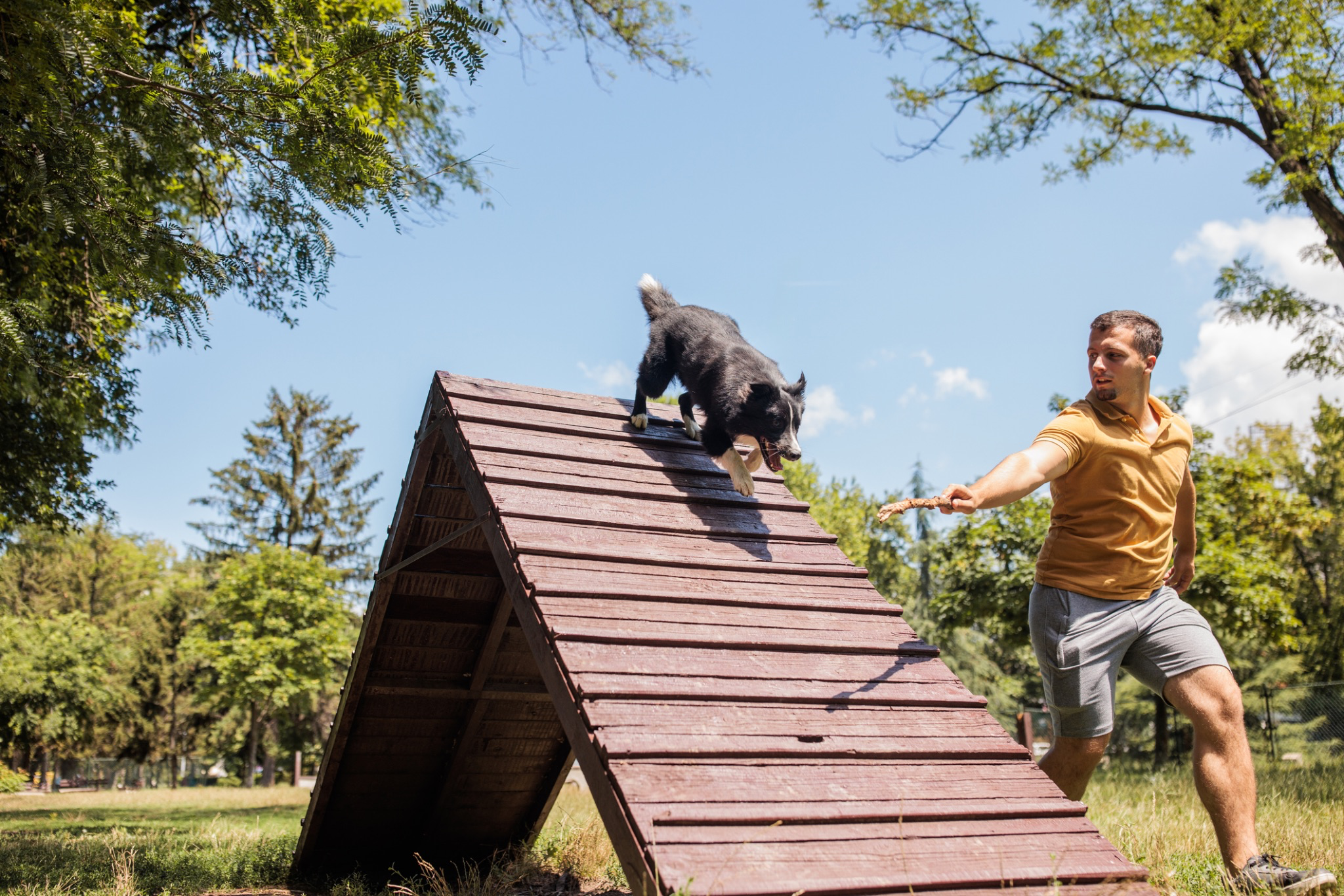
Today is National Pet Tricks Day!  We’re celebrating with a list of great places you and your pups can go to unleash the fun.  From offleash dog areas with swimming holes to agility courses and nature trails, there’s a plethora of activities you can enjoy together for a paw-fect day out on the town!  Each park and preserve area offers its own unique features and qualities, and some are accessible with a membership fee to ensure safety of all dogs.  So, what are you waiting for? Hop in your new car from Classic and let’s hit the road to fun with our furry friends! more Lake County Forest Preserves offers five unique environments for off-leash excitement for your dog!  Permits are required for entry, either daily or annual passes (proof of vaccination required). The Duck Farm Off-Leash Dog Area offers 48 acres of fenced in, ADA compliant play space for your canine companions. For dogs under 25 pounds, there’s a separate smaller enclosure in the area for safer play.  You’ll find shade shelters, drinking fountains, and seating for humans. It’s open from 6:30AM until 7PM or Sunset (whichever is later.) The Independence Grove Off-Leash Dog Area is a 30-acre fenced area featuring open fields, wooded trails, and a large swimming hole for dogs!  The area also connects to The Casey Trail and Greenway, and dogs are allowed on the Des Plaines River Trail as well; dogs must be leashed on the two trails. Dogs are not allowed into the forest preserve, and must remain on the Des Plaines River Trail when passing through the area. It’s open from 6:30AM until 7PM or Sunset (whichever is later.) Lakewood Off-Leash Dog Area in Wauconda features 66-acres of fenced in playspace featuring large open meadows, maintained trails, a water hand pump, shade shelter, and some potty space (for humans and dogs!) It’s open from 6:30AM until 7PM or Sunset (whichever is later.) Prairie Wolf Off-Leash Dog Area encompasses 44 acres of property with training enclosures, large fields, hiking trails, toilets, water, and a drinking fountain. At the east end of the park there are gates which allow access to the dog-friendly swimming area. It’s open from 6:30AM until 7PM or Sunset (whichever is later.) The Waukegan Savanna Off-Leash Dog Area is an 11-acre fenced area with a large open field and separate smaller-dog area (25lb and under).  There are shade shelters, seating, drinking water for both dogs and people, toilets, and ample parking. Larsen Nature Preserve and Dog Park features an exciting dog playground, The Callahan-Frankling Dog Exercise Area.  This playground features 14 dog agility stations for your enjoyment and bonding experience!  You’ll find an agility walk, 16” wait table, hurdles, 18” jump bar, dog walk, hoops, weave poles, a-frame, teeter-totter, adjustable tire jump, wall jumps, and an S-Tunnel.  The facility does have woodchips to reduce weeds/grass overgrowth, so mind your dogs who like to snack on foreign bodies!  It is open from sunrise to sunset.  Pet parents are requested to please monitor your pets closely and keep them under control.  The area is fenced in with separate areas for both large and small dogs, parking, seating for humans, picnic tables, shade areas, a dog drinking fountain, and waste containers with poopy bags. Happy Tails Dog Park in Buffalo Grove is a residents-only dog park with a fenced in field and smaller field for dogs under 35lbs.  Owners are reminded that they should be managing their pets during play, and to clean up after any potty incidents. Community Bark West in Glenview is a 6-acre off-leash park with electronic key entry access with yearly membership purchase. There are shaded areas and a separate small dog area for safe play.  Dogs are welcome to access the rest of Community Park West provided they’re well-mannered, leashed, and monitored by their handler. Bo’s Run in Hoffman Estates is a fully fenced off-leash dog park with water, agility equipment and course, benches, and a private keypad entry with memberships.  Purchase a membership online to gain access to this well-maintained park. The property is 2-acres of field access with 5-foot tall fences for safety. Carlisle Family Dog Park is an admission fee based dog park located in Kenosha, Wi. Handlers can select from a day pass or annual pass which enables you and your dog to access any off-leash park in the Kenosha County Parks system.  This park includes a large grassy area within the Petrifying Springs Park limits, a separate space for small dogs, agility obstacle course, seating for resting, and large shade trees for a break. Karen A. Nelson Memorial Dog Park in Racine is a 4-acre off-leash dog park with two separate spaces, one for large dogs and one for small dogs. You’ll find picnic tables and pet waste stations, but water and bowls are BYO.  The area offers a large field area with some trees and lots of running space Caledonia Dog Park is located in Racine and offers 28-acres of spacious play area for off-leash fun!  Your dog is welcome into the wooded areas for enrichment activities like sniffing and digging, encouraged to splash in the pond for a little swimming, run across the large open fields, or even have a dip in the Root River.

image-46

Conquer Every Corner in the 2026 Toyota GR Corolla

New Structural Enhancements Improve Body Rigidity New Secondary Air Intake Improves Engine Temperature Control & Performance 2026 GR Corolla is Available in Two Grades: GR Corolla and GR Corolla Premium Plus Available JBL Premium Sound System Enhanced with Active Sound Control and a Subwoofer more SONOMA, Calif. (Sept. 25, 2025) – Get ready to unleash your spirit of adventure with the new 2026 GR Corolla. Featuring the GR-FOUR All-Wheel Drive System, this machine is designed to master all sorts of terrain—whether it’s at the track, on dirt, or on snow—this powerhouse is the perfect partner for exhilarating journeys and unforgettable thrills. The GAZOO Racing team has been hard at work, driving in challenging environments such as the Nürburgring, to implement track-tested enhancements for this model year. With 45.6 feet of additional structural adhesive in the front and rear sections of the body, the GR Corolla boasts improved body rigidity and rear grip for better suspension movement and direct feeling, helping to ensure consistent steering and stable cornering. Plus, a new secondary air intake duct helps optimize temperatures to deliver maximum engine performance for relentless power on those long drives. For 2026, the GR Corolla is available in two dynamic grades: GR Corolla and GR Corolla Premium Plus. The GR Corolla comes well-equipped with standout design features like a bulge hood with functional gloss-black air vents, a color-keyed spoiler, and striking gloss black 15-spoke cast alloy wheels, all complemented by Brin Naub® suede-trimmed sport seats with sleek grey stitching. Step up to the GR Corolla Premium Plus, which offers a host of standard premium features, including a forged carbon fiber roof, a gloss black rear spoiler, matte black 15-spoke cast alloy wheels, and Brin Naub suede-trimmed sport seats with bold red stitching, along with a Head-up Display for an enhanced driving experience. The JBL Premium Sound System has been enhanced to elevate the audio experience during everyday and track driving. The 2026 GR Corolla Premium Plus grade now features nine speakers throughout the vehicle, including a subwoofer in the luggage compartment, delivering clearer and more powerful sound. Additionally, vehicles equipped with the JBL Premium Sound System now include Active Sound Control (ASC), which emits sporty sounds through the speakers that correspond to changes in acceleration, deceleration, and driving force based on accelerator and shift lever operation. This provides the driver more audio cues to help sense the vehicle’s state. The 2026 Toyota GR Corollas are expected to arrive at Toyota dealerships this fall with a starting Manufacturer’s Suggested Retail Price (MSRP) of $39,920.* *MSRP Excludes Dealer Processing and Handling fee of $1,195. All prices are subject to change. Rally-Inspired Performance The 2026 GR Corolla is powered by a turbocharged G16E-GTS 1.6 liter 3-cylinder turbo engine. The high power engine outputs 300 horsepower at 6,500 rpm and 295 lb.-ft. of torque. High-strength engine components and a turbocharger also help the GR Corolla bring on the most thrilling ride. The GR Corolla is available with either an eight-speed GAZOO Racing Direct Automatic Transmission (DAT) or a six-speed Intelligent Manual Transmission (iMT). The 8-speed DAT, designed for sporty driving, delicately senses the way the driver steps on the brakes and operates the accelerator. With these inputs, it can anticipate when gear shifting is optimal even before changes in vehicle behavior occur, achieving a gear selection that reflects the driver’s intentions, thus leading to shifting that is similar to that of professional drivers. The six-speed iMT offers drivers the thrill of manual shifting while incorporating sophisticated rev-matching technology. This system automatically adjusts engine RPM during downshifts, helping to ensure seamless gear transitions and reducing the risk of engine stalling and/or loss of traction. To keep the higher engine output and 8-speed DAT at an optimal temperature for performance, an automatic transmission fluid cooler comes standard on 8-speed DAT models. For drivers interested in even greater engine cooling capability, a sub-radiator is standard on the Premium Plus Grade. At the heart of the GR Corolla is the rally racing developed GR-FOUR All-Wheel-Drive system. Developed in collaboration with the TOYOTA GAZOO Racing World Rally Team, it is designed to deliver exceptional levels of traction and control by optimizing drive power to each wheel. With the twist of a dial, the driver can select Normal, Gravel or Track AWD modes to adjust front/rear wheel torque distribution. Normal mode adjusts the front/rear torque distribution to 60:40 for everyday driving. Gravel adjusts the distribution to 50:50 to help deliver maximum traction. Track mode adjusts distribution by continuously varying the drive force distribution from front-focused 60:40 to rear-focused 30:70 based on the driver’s input and vehicle status. Front and rear Torsen® Limited-Slip Rear Differentials (LSD) are standard on the 2026 Toyota GR Corolla, offering dynamic cornering performance and grip with control of left and right-hand drive torque distribution on the front and rear axles. GR Corolla DAT models also come equipped with launch control, helping to enable powerful acceleration off the line. It works by maintaining a set engine RPM, allowing the car to build power before the driver engages the throttle. Launch control is designed to maximize traction and power while minimizing the time it takes to accelerate. Launch control is intended to be used for track driving, not for use on public roads or for repeated short interval use. Impressive Connected Technology Behind the GR Corolla’s steering wheel is a 12.3-inch digital gauge cluster with customizable settings and, in the center of the dash, is the Toyota Audio Multimedia system with an eight-inch touchscreen. The Toyota Audio Multimedia system offers a user experience with touch and voice activation. With Intelligent Assistant through an available Drive Connect* trial or subscription, simple phrases like “Hey Toyota” awakens the system for voice-activated commands to search for directions, find Points of Interest (POI), adjust audio controls, change the cabin temperatures and more. The cloud-based native navigation system offered through an available Drive Connect* trial or subscription, allows for real-time Over the Air updates for mapping with Google POI data integrated to ensure up-to-date search capability. Toyota Audio Multimedia allows for simultaneous dual Bluetooth® phone connectivity and supports standard wireless Apple CarPlay® and wireless Android Auto TM compatibility. The 30 day/3 GB Wi-Fi Connect* trial offers 4G connectivity for up to five devices by turning the GR Corolla into an AT&T Hotspot*, and it also offers the ability to link your separate Apple Music® and Amazon Music subscriptions to your vehicle with Integrated Streaming. The GR Corolla also offers a host of additional Connected Services. A Safety Connect* 5-year minimum trial includes an Emergency Assistance Button (SOS), 24/7 Enhanced Roadside Assistance, Automatic Collision Notification and Stolen Vehicle Locator. A Service Connect* 5-year minimum trial provides drivers with the capability of receiving Vehicle Health Reports, Maintenance Alerts and reminders. All models include a 1-year trial for Remote Connect* which provides remote door unlock capability, vehicle status notifications, and a guest driver monitor. DAT models also get remote start capability. *4G Network-dependent. Safety & Convenience The GR Corolla comes with Toyota Safety Sense 3.0 standard. This safety suite includes: Pre-Collision System with Pedestrian Detection: Pre-Collision System with Pedestrian Detection (PCS w/PD) is designed to help detect a vehicle, pedestrian, bicyclist or motorcyclist and provide an audio/visual forward collision warning under certain circumstances. If you don’t react, the system is designed to provide automatic emergency braking. Dynamic Radar Cruise Control: Intended for highway use, Dynamic Radar Cruise Control is an adaptive cruise control system that is designed to be set at speeds above 20 mph and uses vehicle-to vehicle distance control to help maintain a preset distance from the vehicle ahead of you. Lane Departure Alert with Steering Assist: Is designed to detect lane markings or the road’s edge at speeds above 30 mph. LDA w/SA is designed to provide an audible/visual warning if an inadvertent lane departure is detected. If no corrective action is taken, Steering Assist is designed to provide gentle corrective steering for lane-keeping assistance. Lane Tracing Assist: When Dynamic Radar Cruise Control is enabled and lane markers are detected, Lane Tracing Assist uses the lines on the road and/or preceding vehicles to provide active driving assistance and help keep the vehicle centered in its lane. Road Sign Assist: Uses the forward-facing camera to recognize specific road signs, such as speed limit, stop, and yield signs. Road Sign Assist provides sign information to the driver via the Multi-Information Display. Automatic High Beams: The Automatic High Beams are designed to help you see more clearly at night at speeds above 21 mph. The Automatic High Beams system is designed to detect the headlights of oncoming vehicles and taillights of preceding vehicles, then automatically toggle between high and low beams accordingly. The automatic transmission models are equipped with: Full-Speed Range Dynamic Radar Cruise Control: Full-Speed Range Dynamic Radar Cruise Control (DRCC) is an adaptive cruise control system that is designed to be set at speeds above 20 mph. DRCC uses vehicle-to-vehicle distance control to help maintain a preset distance from the vehicle ahead of you. Proactive Driving Assist: Proactive Driving Assist (PDA) uses the vehicle’s camera and radar, when system operating conditions are met, to provide gentle braking and/or steering to support driving tasks such as distance control between your vehicle and a preceding vehicle, pedestrian, or bicyclist. PDA can also provide gentle braking into curves. For complete details on Toyota Safety Sense 3.0, please visit Toyota.com/safety-sense. Pricing* Model # Grade Base MSRP 6280 GR Corolla Base AT $41,920 6281 GR Corolla Base MT $39,920 6286 GR Corolla Premium Plus AT $47,965 6287 GR Corolla Premium Plus MT $45,965 *MSRP Excludes Dealer Processing and Handling fee of $1,195. All prices are subject to change. Complimentary 1-year NASA Membership NASA (National Auto Sport Association) Membership NASA membership is a non-transferable, original owner benefit, and expires 1 year after purchase of your new Toyota GR sports car. The 1-day High Performance Driving Event (HPDE) is included as a membership benefit and must be redeemed within 1 year from the time of purchase of your new vehicle. Valid in U.S. only. For qualified drivers over 18 years of age, with a valid driver’s license. Participation in high performance driving creates a risk of personal injury or death and may cause damage to your vehicle that is not covered by your insurance or warranty. Please refer to your insurance policy and your vehicle’s Warranty and Maintenance Guide that describes the terms and conditions of Toyota’s New Vehicle Limited Warranty coverage as well as general owner responsibilities. NASA membership and complimentary HPDE are not redeemable for cash or any other offer. See https://gr.drivenasa.com/ for details. Limited Warranty and ToyotaCare Toyota’s 36-month/36,000-mile basic new-vehicle warranty applies to all components other than normal wear and maintenance items. Additional 60-month warranties cover the powertrain for 60,000 miles and corrosion with no mileage limitation. Toyota dealers have complete details on the limited warranty. GR Corolla also comes with ToyotaCare, a plan covering normal factory-scheduled maintenance and 24-hour roadside assistance for two years or 25,000 miles, whichever comes first.

image-51

Must-See Native American History Sites in the Midwest

Today we’re celebrating the local Midwest Indigenous Peoples and Native American Culture with a great list of historic sites that you simply must visit!  Several states celebrate Native American Day at the end of September and early October as a way to honor and celebrate the rich culture and history of the first inhabitants of our nation.  While it’s not a federal holiday, it is an important commemoration to connect us with this complex part of US history.  Each of these sites holds a special place in preserving history and promoting the healing and connection between indigenous and settler peoples.  Here in Illinois, we are on ancestral land belonging to the Peoria, Kaskaskia, Piankashaw, Wea, Miami, Mascoutin, Odawa, Sauk, Mesquaki, Kickapoo, Potawatomi, Ojibwe, and Chickasaw Nations.  We hope that you’ll add these important museums and cultural historic sites to your next road trip to learn more about their history. more Cahokia Mounds State Historic Site in Collinsville, Illinois This special historic site preserves 70 of the original 120 earthen mounds built and maintained by prehistoric Native American tribal groups. There is an Interpretive Center on site which offers museum quality galleries, a life-size recreation of local tribal villages, a theater, and educational programming.  The largest attraction on site is the 100-ft tall Monks Mound, the largest prehistoric earthen mound in the Americas.  Take a tour of the nearly 6 miles worth of trails up and around the mounds, and then stop by the Interpretive Center to learn more about the history of the people who once lived here. Gichigamiin Indigenous Nations Museum in Evanston This museum chronicles the history of the indigenous people that call this area their ancestral homelands: the Anishinaabeg (Ojibwe), Odawak (Odawa), and Bodewadmik (Potawatomi) Nations.  A new exhibit opened this year highlighting contemporary woodland artwork featuring the works of living artists and their connection to historic traditional arts called “Living Stories: Contemporary Woodland Native American Art” which will run through December 30th 2025. Other exhibits include “A Regional Tour of American Indian Cultures” which showcases cultural and historical aspects of local indigenous people, and how they maintained their way of life in the post-colonial world; the St. Kateri Youth Mural, a youth-driven project via the St KAteri Youth Circle NonProfit which provides programming connecting Native Youth to their culture, values, and traditions.  Learn about the food and sustainable gardening practices of the Great Lakes Indigenous peoples through the “Indigenous Gardening and Foodways” initiative programming. Effigy Mounds in Harpers Ferry, Iowa This historic site preserves more than 200 prehistoric mounds, some of which are even shaped like animals. The mounds date back to 500BC to 1300AD and are spread across 2,5000 acres of forested land bordering the Mississippi River.  Take a stroll down the numerous trails and learn about the creators of these historically significant mounds. You’ll also get a glimpse of the many plants and animals that call this region home, and see how that inspired the creation of the mounds. 20 different tribes hold a strong connection to the mounds at this national monument and sacred space including Iowa Tribe, HoChunk Nation, Winnebago Tribe, Sioux Nation, and more. Mid-America All-Indian Museum in Wichita, Kansas This museum is dedicated to educating visitors about the history of local indigenous tribes, and the preservation of Native American culture and practices for future generations. The museum houses a large body of artwork by the late Kiowa-Comanche painter known as Blackbear Bosin, iconic creator of “The Keep of the Plains” sculpture in Wichita; this statue stands at the confluence of the Big and Little Arkansas rivers with raised hands honoring the Great Spirit.  There is also an extensive collection of Alaskan Native artwork from the mid-20th century, flags from more than 70 American Indian Nations located in the Gallery of Nations.  There is also a community-run  lendable collection of traditional regalia meant to share with the local youth participating in traditional powpows so they can be included in their cultural practices regardless of financial status. Reconciliation Park in Mankato Minnesota Sometimes, history does not always have a bright spot. This park was created to commemorate the lost lives of 38 Dakota tribespeople who were hanged near the site in 1862. The park was created in 1997 to promote a healing and connection between the indigenous Dakota people and non-Dakota peoples.  A visit to the park encourages people to reflect, meditate, and remember. The monument was carved from a 67-ton block of local Kasota limestone by artist Tom Miller, intended to commemorate and symbolize the heritage, strength, and survival of the Dakota peoples. The park is also surrounded by native flowers and prairie grasses. Genoa Indian Industrial School Museum in Genoa, Nebraska Situated on the site of the former Pawnee Reservation property, this “reeducation” center was the fourth largest non-reservation boarding school established by the US Office Of Indian Affairs.  The goal was to ensure Native American children could “assimilate into American society”. The facility housed students from more than 10 states and 40 different tribal nations and was in operation from 1884 through 1934. The facility is now a non-profit organization aimed to collect and preserve the history of the treatment of indigenous peoples in America, and promote awareness and healing in the process. First Americans Museum in Oklahoma City, Oklahoma Visitors to this impressive museum will learn about the collective histories of 39 different First Americans Nations in Oklahoma. With a sprawling 175,000 square foot facility, the museum showcases numerous state of the art exhibits, community events, and a wide variety of educational programming. It houses a multipurpose theater, a restaurant and cafe serving up indigenous inspired cuisines, and a gorgeous museum store featuring exclusive items produced by First Americans artists themselves.  The FAMily Discovery Center is a pop-up-book inspired world filled with Native Stories, animal sculptures, and more to help visitors connect with local Oklahoma history and tribes. Frog Bay Tribal National Park in Bayfield, Wisconsin A gorgeous park along the coast of Lake Superior, this property is the first Tribal National Park in the US.  It celebrates the cultural importance of water to the local indigenous tribes, and their spiritual connection that is associated with Lake Superior. This beautiful boreal forest, coastal wetlands, and sand beaches.  The area includes more than 300 acres of protected lands in total on the Bayfield Peninsula including at-risk boreal forest, 120 acres of wetlands and freshwater estuaries, and nearly 4,000 feet of undeveloped Lake Superior Shoreline.

image-39

Assembled in America and Arriving Now: 2026 Toyota Corolla Cross

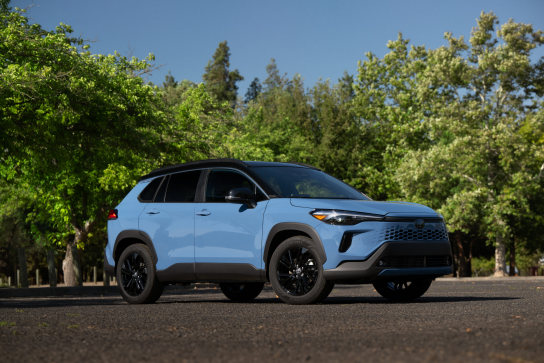
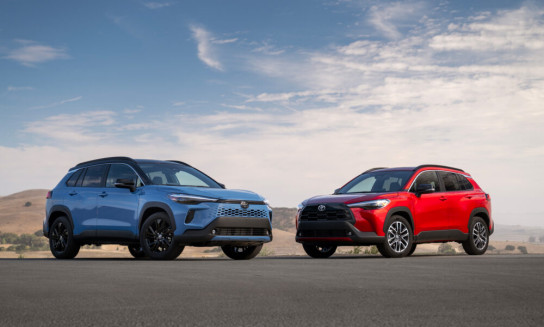
The 2026 Corolla Cross has a combination of efficiency, capability, and functionality for customers seeking a stylish, value priced compact SUV. Arriving at Toyota dealerships across the United States now, 2026 Corolla Cross gas models have a starting Manufacturer’s Suggested Retail Price (MSRP) of $24,635*; Corolla Cross Hybrid models have a starting MSRP of $28,995*. For model year 2026, the Corolla Cross package changes up with two new front fascia designs that enhance its style and presence. The hybrid model receives a sleek, modern look with a seamless color-matched grille, while the gas-powered version receives a bold, rugged design that is built to stand out. All grades also receive new LED daytime running lights. more The interior also receives changes that enhance Corolla Cross’ usability. The front console is reworked on all grades to maximize its usable storage space while also providing driver-friendly access to the gear shifter and other controls. For models equipped with a wireless Qi charger, a divider helps keep phones in place. The XLE grade also adds the fashionable Portobello interior color to its options. Corolla Cross’ tech also keeps evolving, with a newly available 10.5-inch Toyota Audio Multimedia touchscreen and a 7-inch digital gauge cluster or 12.3-inch digital gauge cluster. Additionally, for extra comfort on chilly days, a Cold-Weather package with a heated steering wheel and heated front seats is now standard on the gas XLE AWD and hybrid XSE grades (this option is also now available on gas LE AWD and hybrid SE grades). Also new to Corolla Cross is the cool hue of Cavalry Blue exterior paint, available on the gas LE and XLE, as well as the hybrid SE and XSE models. For an extra touch of style, the hybrid SE and XSE offer an exclusive two-tone option featuring Cavalry Blue paired with a sleek Jet Black roof—perfect for those who want to make a bold statement on the road. The new color keeps the momentum moving on Corolla Cross’ playful approach to exterior paint, with 10 different colors across the grades. Two new wheel designs are also available, including 18-inch alloy wheels with dark-gray metallic finish and machined accents on the XLE and 18-inch aluminum alloy sport wheels in a gloss-black finish for the hybrid XSE grade (previously equipped on the Corolla Cross Hybrid Nightshade model). Assembled in the U.S. in Huntsville, Alabama, the 2026 Corolla Cross is available in a choice of hybrid or gas powered models. The Corolla Cross Hybrid model will be available in three grades: S, SE, and XSE, all equipped with standard Electronic On-Demand AWD. The gas-powered models will come in three grades: L, LE and XLE, all with FWD or AWD available. *Excludes Dealer Processing and Handling (DPH) Fee of $1,495. DPH subject to change, for latest DPH please click here. Powerfully Efficient The Corolla Cross Hybrid model has Toyota’s 5th Generation Toyota Hybrid Electric Vehicle (HEV) system and standard Electronic On-Demand AWD. It is powered by a 2.0-liter 4-cylinder engine with Dual Variable Valve Timing with intelligence (VVT-i) and three electric motors. The drivetrain is an Electronically controlled Continuously Variable Transmission (ECVT). Altogether, it has a net combined output of 196 horsepower and an 8-second 0-60 time, for fun, confident acceleration. It also has an impressive manufacturer estimated 42 combined MPG rating for all hybrid grades with All-Wheel Drive, standard. Gas-powered models have the Dynamic Force 4-cylinder, 2.0-liter DOHC 16-valve engine with Dual Variable Valve Timing with intelligence (VVT-i) paired to a Continuously Variable Transmission with intelligence and Shift Mode (CVTi-S). Overall, it produces a punchy 169 horsepower on the gas model and has a physical first gear for an engaging driving experience. Gas models are available in Front- or All-Wheel Drive across all grades. For those who choose a gas-powered AWD model, Toyota’s clever Dynamic Torque Control system directs up to 50% of power to the rear wheels when it’s needed – and disengages completely when it’s not. This feature helps Corolla Cross’ fuel economy – another strong suit for this powertrain – with a manufacturer estimated 30 combined MPG rating on AWD models; FWD equipped models have a manufacturer estimated 32 combined MPG rating. Value and Versatility The versatile design of the Corolla Cross is spacious, modern, and made for life on the go. Built on the TNGA-C platform, with stylish compact crossover proportions, it has handling that is akin to a car. The Corolla Cross’ chassis plays a central role in its car-like feel, as well as the available suspension types, like the independent MacPherson-type front suspension on select gas grades or the sport tuned suspension on the Hybrid models. Inside, Corolla Cross’ spacious interior offers many of the desirable creature comforts that modern drivers expect. The L, LE, S, and SE grades come with durable fabric-trimmed seating in a variety of colors. Move up to the XLE for SofTex®-trimmed seats or the XSE grade for SofTex-trim with Mixed Media. Other available interior features include power-adjustable seating, a power moonroof, and dual-zone automatic climate control. In the back, storage space is ready to take on items like roller bags or golf clubs thanks to the standard 60/40- split folding rear seats. The XLE and XSE models also include a rear center armrest with two additional cupholders. To make access to the roomy cargo area even more convenient, the Corolla Cross has an available power liftgate with height adjustability. Available accessories include all-weather floormats, a roof rack with crossbars, an activity mount for carrying items such as bicycles, and a tow hitch for towing capacity of up to 1,500 lbs. The interior on the Corolla Cross is tailor-made for everyday living. The L grade comes in Light Gray fabric, and the LE grades come in a choice of Light Gray or Black fabric; the XLE grade comes with Black SofTex-trim (standard). The Corolla Cross Hybrid S grade has a Gray/Black fabric interior, while the SE grade has Black/Blue or Gray/Black fabric available. The XSE grade has either Black/Blue SofTex-trim with Mixed Media or Black SofTex-trim Mixed Media available. Key Features Across the Lineup Toyota’s outstanding value is evident throughout the Corolla Cross lineup, from the entry-level gas L or hybrid S grades all the way up to the top-of-the-line gas XLE or hybrid XSE grades. Standard features include the following. Gas Models L Grade: 2.0-L 4-cylinder DOHC 16-valve engine Rugged grille and bumper design 8-in. Toyota Audio Multimedia touchscreen 7-in. digital gauge cluster Wireless Apple CarPlay® and Android Auto™ compatibility SiriusXM® 3-month trial subscription Rear HVAC Vents Toyota Safety Sense 3.0 Remote Keyless Entry Two front USB-C charging outlets LED headlights and taillights 17-in. steel wheels with silver wheel covers LE Grade – L features plus: Qi-wireless charging Blind Spot Monitor with Rear Cross-Traffic Alert 17-in. Silver painted alloy wheels Roof rails Smart Key with Push Button Start Leather wrapped steering wheel Auto climate control Four total USB-C charging ports Four total USB-C ports – 2-front; 2-rear Color-keyed heated power outside mirrors with turn signals XLE Grade – LE features plus: 18-in. Machine finished alloy wheels 12.3-in. digital gauge cluster SofTex®-trimmed seats 10-way power driver seat with lumbar Heated front seats LED DRLs and fog lights Rear Cross-Traffic Brake Front and Rear Parking Assist with Automatic Braking Dual zone climate control Rear folding armrest with two cup holders Leather shift knob Tonneau cover Hybrid Models S Grade: 5th generation Toyota Hybrid Electric Vehicle System Standard Electronic On-Demand AWD Sporty, high-tech front grille and bumper design with smoked front Toyota emblem Color keyed rear spoiler and door handles Matte black heated power outside mirrors 7-in. digital gauge cluster Fabric-trimmed seating 6-way manual adjustable driver’s seat; 4-way adjustable passenger seat 8-in. Toyota Audio Multimedia touchscreen Two front USB-C charging outlets Rear HVAC Vents Toyota Safety Sense 3.0 17-in. machined finished alloy wheels SE Grade – S grade features plus: Leather-trimmed steering wheel with sport paddle shifters Black roof rails Rear privacy glass Rear windshield wiper Gloss black heated power outside mirrors Blind Spot Monitor with Rear Cross-Traffic Alert Single zone Automatic climate control with rear seat vents Qi-wireless charging Four total USB Type-C charging ports (two front, two rear) XSE Grade -SE grade features plus: SofTex-trimmed mixed-media seating 12.3-in. digital gauge cluster LED fog lights 18-in. Black-finished alloy wheels 60/40 split fold-flat second-row seats 10-way power-adjustable driver’s seat with lumbar support; 4-way manual adjustable passenger seat Leather shift knob Dual zone Automatic climate control and rear-seat vents Rear folding armrest with two cup holders Ambient Lighting HomeLink rearview mirror Tonneau cover The following exterior colors are available: 1. Celestite (all grades) 2. Jet Black (all grades) 3. Wind Chill Pearl** (all grades) 4. Soul Red Crystal** (LE, XLE, SE, XSE) 5. Cavalry Blue (LE, XLE, SE, XSE) 6. Sonic Silver (all grades) 7. Cypress (LE, XLE) 8. Cavalry with Jet Black Roof** (SE, XSE) 9. Soul Red Crystal with Jet Black Roof** (SE, XSE) 10. Sonic Silver with Jet Black Roof** (SE and XSE) **Premium paint, additional charge. There are also optional packages available for Corolla Cross. From sound system upgrades to additional convenience. Options include: JBL Premium Audio – Available for XLE and XSE grades, includes: Nine speakers Subwoofer Amplifier Multimedia Upgrade – Available for LE and SE grades, includes: 10.5-in. Toyota Audio Multimedia touchscreen Moonroof Package – Available for LE and SE grades, includes: Moonroof Tonneau Cover Convenience Package – Available for XLE and XSE grades, includes: Power rear liftgate Moonroof Cold Weather Package – Available for LE AWD and SE grades, includes: Heated steering wheel Heated front seats Toyota Audio Multimedia & Connected Services Standard on all 2026 Corolla Cross grades is the Toyota Audio Multimedia system, designed and engineered by Toyota’s Texas-based Connected Technologies team. This system provides a wide range of enhanced connectivity and convenience features, available with included trials or subscriptions. Users can interact with the system through intuitive touch and voice activation controls. It also includes Wireless Apple CarPlay® and Android Auto. For powering-up devices there is Qi compatible wireless charging standard on the LE, SE, XLE and XSE grades. Two USB-Type C ports are standard and the LE, XLE, SE and XSE grades add two additional USB-Type C ports in the rear. Keeping drivers and passengers entertained is a newly available 10.5-inch touchscreen that is now standard on the XLE and XSE grades and available with the Multimedia Upgrade option on the LE and SE grades. The L, LE, S, and SE grades have a standard 8-inch touchscreen. All grades are equipped with the Toyota Audio Multimedia system with six-speakers, standard. For a more robust soundscape a nine-speaker JBL® Premium sound system with subwoofer and amplifier is available on the gas XLE and hybrid XSE grades. All grades have standard wireless compatibility for Apple CarPlay® and Android Auto™. Each Corolla Cross offers many additional Connected Services: CONNECTED SERVICES Grade L & S LE & SE XLE & XSE Safety Connect® https://www.toyota.com/connected services/safetyconnect/ — includes Emergency Assistance button, enhanced Roadside Assistance, Automatic Collision Notification and Stolen Vehicle Locator. Subscription required after trial. 4G network dependent. Wi-Fi Connect https://www.toyota.com/connected services/wificonnect/ includes AT&T Wi-Fi hotspot and Integrated Streaming (Apple Music® and Amazon Music) compatibility. Subscription required after trial. 4G network dependent. 5-year minimum trial subscription Up to 30-day/3 GB trial subscription Remote Connect https://www.toyota.com/connected services/remoteconnect/ — remotely interact with your vehicle through the Toyota app via your smartwatch. Depending on grade, allows you to lock/unlock doors, Capable 1-year trial included on LE, XLE, SE, start and stop the vehicle, locate your last parked location, check vehicle status and monitor guest drivers. Subscription required after trial. 4G network dependent. (subscription required) XSE Service Connect https://www.toyota.com/connected services/serviceconnect/ — receive personalized maintenance updates and vehicle health reports. Subscription required after trial. 4G network dependent. Drive Connect https://www.toyota.com/connected services/driveconnect/ — includes Cloud Navigation 5-year minimum trial subscription with Google Points of Interest (POI) data, Intelligent Assistant with Hey, Toyota, and Destination Assist. Subscription required after trial. 4G network dependent. Safety & Convenience Features Capable (subscription required) 1-year trial included on XLE & XSE True to Toyota form, modern safety is key for Corolla Cross. That’s why all grades come standard with both the Toyota Safety Sense 3.0 suite of advanced active safety equipment and convenience features, as well as Toyota’s signature STAR Safety System. There are also available safety and convenience features like Blind Spot Monitor and Rear Cross-Traffic Alert, standard on LE and XLE and SE and XSE grades, and Front and Rear Parking Assist with Automatic Braking, standard on the XLE and XSE grades. All grades come with nine airbags throughout the cabin standard to help protect occupants. Toyota Safety Sense 3.0 is a comprehensive suite of safety and driver assistance technologies that include: Pre-Collision System with Pedestrian Detection Full-Speed Range Dynamic Radar Cruise Control Lane Departure Alert with Steering Assist Automatic High Beams Lane Tracing Assist Road Sign Assist Proactive Driving Assist The Toyota STAR Safety System includes: Enhanced Vehicle Stability Control Traction Control Anti-lock Brake System Electronic Brake-force Distribution Brake Assist Smart Stop Technology Limited Warranty Toyota’s 36-month/36,000 mile basic new-vehicle warranty applies to all components other than normal wear and maintenance items. Additional 60-month warranties cover the powertrain for 60,000 miles and against perforation from corrosion for 60 months with no mileage limitation. Corolla Cross Hybrid-related components that require repairs needed to correct defects in materials or workmanship are covered for 8 years/100,000 miles, whichever comes first from original date of first use when sold as new. The hybrid battery is covered for 10 years/150,000 miles, whichever comes first, and is transferable across ownership. The 2026 Corolla Cross and Corolla Cross Hybrid also comes standard with ToyotaCare, a plan covering normal factory-scheduled maintenance, for two years or 25,000 miles, whichever comes first, and two years of Roadside Assistance, regardless of mileage.


female garage owner with repair bill for customer

National Tune- Up Day: Key Mileage Service Points to Schedule for Your Vehicle for Optimal Performance

Today is National Tune Up Day!  We’ll be covering all of the different items that your service technician and mechanic will perform during an engine tune-up, as well as reiterating mileage service points for your vehicle.  We’ll also be going into some points on why it’s vital to maintain regular service appointments to avoid costly repairs and long-term damage to your vehicle. more Are service appointments really that vital? What happens if I postpone maintenance and service calls? While it may appear to save your wallet at first, over the long term, skipping regular maintenance on your vehicle is likely to cost you big time trouble in finances.  There is an immediate and significant reduction in fuel economy due to poor performance from lack of service. Seemingly small things like failing to change your oil at regular intervals can lead to sludge and dirt build up, which can eventually clog the engine and lead it to overheat and fail.  Leaving your squealing brake pads just a little bit longer might mean the difference between stopping in time or causing a significant vehicle collision when you fail to stop for an obstacle.  A poorly maintained vehicle may notice transmission problems like slipping gears, too.  The problems are quite numerous in total, beyond what’s listed here! In short, making sure to budget for regular interval service points will reduce the overall maintenance costs of your vehicle.  Additionally, a well-maintained vehicle that goes in for proper service can reach very high mileage of 200,000 or more! What will my mechanic do during an Engine Tune-Up appointment? An engine tune-up is specifically designed to thoroughly inspect and service your vehicle’s engine and its related components. During the tuneup your spark plugs will be inspected, cleaned and replaced, as well as the spark plug wiring. Spark plugs are a crucial part of the internal combustion process; their tiny spark ignites the fuel and as a result moves the pistons up and down to allow the engine to start, accelerate, and facilitate gear changes. It's time to repair them when the vehicle is getting poor gas mileage or notice some hard starts, rough idles, and poor acceleration capabilities. The fuel filter will be replaced to allow for optimal fuel flow, and prevent dirt, particles, and other contaminants from reaching the fuel injector and clogging the system. Dirty fuel filters and poorly maintained systems may lead to the engine misfiring, prevent a vehicle from starting at all, rough or shaky idling, poor engine performance and poor fuel economy.  The fuel lines will also be inspected for signs of leakage or damage and replaced as needed. The Serpentine Belt and Timing Belt will be inspected for regular wear and proper tension.  Timing belts are replaced when you notice engine vibrations, cracking, or fraying; the serpentine belt can be replaced slightly sooner if signs of significant wear show cracking, squealing, it becomes misaligned, or there are overheating issues. Your mechanic will catch this at regular tune-ups. The air filter will be replaced to ensure proper fuel efficiency and performance. Emission levels will also be checked during a tune-up to help identify any ignition or engine performance issues.  This check will also include the oxygen sensors, fuel injectors and intake, and overall exhaust system. In some vehicles, poor emissions levels may be indicative of a damaged catalytic converter, faulty oxygen sensor, loose or defective gas caps, EVAP system defect, problems with the ignition, and other related faults. Other service appointments and tune-ups you should expect to budget for during the lifetime of your vehicle: These are generally recommended guidelines from most vehicle manufacturers, but please note that some maintenance may be required sooner due to increased driving activities, environmental factors, age of the vehicle, and type of car (Hybrid, Electric, etc).  Refer to your owner manual for specific information on your personal make/model of vehicle. Every 3,000-6,000 miles you should receive an oil change. (Check your vehicle’s manufacturer guide for specific mileage requirements and type of oil - synthetic or regular. Older models may need closer to the 3k mark) If you’re purchasing or leasing a brand new vehicle, you’ll generally want to schedule a maintenance appointment at the 10,000 mile mark.  This initial service will often include tire rotation, air filter, oil change and parts. Older non-electronic ignition systems vehicles should be serviced either 10,000-12,000 miles or annually (whichever comes first!) and those with newer fuel injection systems and electronic ignitions can go 25,000+ between major tune-ups; check with your trusted mechanic or service department for guidelines, and consult your vehicle manufacturer handbook. At 10,000 miles you should have your tires rotated and vehicle aligned. At 30,000 miles you should have a full tune-up service including coolant, power steering, hoses and belts checked/replaced, and an engine checkup. At 50,000 miles you may need to service the following: Shocks and struts (suspension system), replace brake pads, new fuel filter, exhaust system inspection, automatic transmission tune-up and service. 50,000-70,000 miles you’ll need to inspect all of the belts, valves, and hoses, and you’ll want to install new tires if you haven’t already. (Always replace your tires at least 2 at a time) 60,000-70,000 miles you’ll need to have your fuel pump and water pump examined for cracks, wear, and tear and especially so if you notice any buzzing noises or your vehicle seems to stall frequently. Car Batteries last roughly about 80,000 miles, so if you notice you need to frequently jump your car, there’s a lot of erosion or leaking fluids, then you’ll want to have that swapped out ASAP before your car breaks down. Your spark plugs should be replaced between 80,000-100,000 miles. 90,000 miles is time to have another full tune-up and once over of your vehicle At 100,000 miles, you’ll need to have a bumper-to-bumper inspection of your vehicle including engine, transmission, water pump, timing belt, etc. You’ll need to switch to high-mileage coolants and spark plugs, too. At 125,000 miles, the O2 sensors will need to be replaced, the AC/Heating will need service, and you’ll need to replace: coolant, fuel filter, brake fluid, shocks and struts, and get an alignment. For high mileage vehicles 180,000-250,000 miles, you’ll want to check the axles, drive shafts, airflow sensor, belts and timing chain, power steering, chassis, fuel injectors, etc. It will need a thorough inspection from bumper to bumper and may require more frequent service maintenance for a smooth ride. Pricing for tune-ups and service appointments you find online are generally an averaged estimate and not always a guaranteed price. Consult with your local trusted mechanic for a current market price estimate for your make/model vehicle of engine tune-ups. Some services may have additional costs. Parts, availability, history of maintenance, and age of vehicle may affect costs.

Incredible River Trips You Must Visit for White Water Rafting, Kayaking, and Canoeing

It’s World Rivers Day, calling for public awareness on the importance of our planet’s waterways, and the important roles they serve in our everyday lives from transportation to vital ecosystems to the food we eat.  As part of our own efforts to encourage deeper community connection to the environment, we’re dedicating today’s blog to a list of must-visit waterways in the US. From white water rafting in canyons to kayaking and paddling along pristine shorelines more Allgash Wilderness Waterway in Maine This is by far the most pristine and untouched wilderness waterway on our list, and a must-visit for a truly unique and unforgettable trip.  Visitors generally embark on a multi-day tour canoeing or kayaking through the 92-mile waterway which includes Allegash Lake, Allegash River, and several other smaller lakes and ponds along the way.  The scenery here is to die for, as you’ll notice the view is dominated by the 400+ year old Seboomook Formation, a formation of sedimentary rocks and geological formations. Visitors have also noted numerous fossil fragments and coral formations, remnants of an abundant aquatic life in its past.  Today, the area is rife with coldwater fish species such as Lake Trout, Lake Whitefish, Burbot, and Brook Trout. Buffalo River in Arkansas If you’re seeking unique terrain and changing scenery, this is the destination for you!  The upper portion of the river brings you through stunning Ozark Mountain scenery with steep bluffs and crystal clear waters.  You’ll notice the cliffs and rock formations such as limestone, shale, and sandstone along with gorgeous oak and hickory forests that are unmatched in autumn.  It’s also one of the very few undammed rivers in the lower 58, creating natural whitewater rapids as well as quieter swimming holes.  Wildlife here is truly abundant, featuring elk, black bears, white-tailed deer, wild turkey, snakes, and more than 250 different types of birds.  Visitors can enjoy canoeing, kayaking, paddling, and rafting as well as hiking, mountain biking,horseback riding along the shores.  It also makes a great day out for fishing, camping, and nature photography for a quieter experience. Green River in Utah This stunning river destination will take you through several canyons with world-renowned wilderness views and experiences. Opt for a trip through Desolation Canyon, nd you’ll be surrounded by one of Utah’s most rewarding views. There are numerous whitewater options here including rapids (ClassII and class III), with permits required.  This is also a great area to stop and hike, backpack, do some star gazing, wildlife photography, and explore the historic and natural sights within the canyon.  Making your way through Gray Canyon brings you to even more white water rafting, as well as opportunities for horseback riding, hiking, camping, and historic sightseeing.  The Labyrinth Canyon portion of the river is 68 miles in length with nearly 50 miles of it designated as a “scenic segment – it has no rapids, and is perfect for a lengthy paddling trip via kayak or canoe in a backcountry wilderness setting. Chattooga River Georgia/South Carolina With a 57-mile course full of adventure, we’re sure you’ll love this destination!  The area is not just a prime destination for aquatic sports on the river, but also the perfect place for swimming, backpacking, wildlife photography, horseback riding, and hiking.  If you’re looking for paddling and rafting, however, then you’re going to be in for a treat as there are two distinct areas of whitewater rafting: Section III is considered “mild and scenic” with areas calm enough for swimming, class 2 and 3 rapids, and a class 4 end portion.  Later downstream on Section IX, you’ll find Seven Foot Falls and Five Falls with even more challenging Class 4 rapids! Tuolumne River in California This river originates in the Sierra Nevada on the eastern portion of Yosemite National Park, and flows west for 62 miles into the Stanislaus National Forest. It is considered the #1 rafting river by the San Francisco Chronicle and is located in some of California's most pristine wilderness. If you’re looking for exciting rapids, this is the place for you! In the Lower Tuolumne, there are more than 40 named whitewater rapids locations within 18 miles as the river makes its way through a remote canyon area.  Excursions with groups are recommended here as the rapids can be quite difficult, so make sure you book in advance because it’s quite popular; only a limited number of trips depart daily in an effort to preserve the beautiful natural area.  The river makes its way through past beautiful lush meadows, glacially carved canyon walls, and with a backdrop of gorgeous mountain peaks. John Day River in Oregon This river holds the longest stretch of free-flowing water to the west of the Rockies, and thus is the Northwest’s longest free-flowing section of river. It begins in the Blue Mountains of Central Oregon, flowing 284 miles to the Columbia River; those last 2 miles of river also connect to Lake Umatilla and the John Day Dam. You will need a permit for recreational watercraft, but it’s well worth the investment. This river destination features several class1 and class 2 whitewater rapids, a few class 3’s, and calmer waters as well for those who prefer less adventure.  It winds you through some exquisite desert canyon scenery with basalt cliff formations as well as farm valleys. You'll find abundant wildlife such as Bighorn Sheep, golden eagles, elk, pronghorn, and more.  It’s also known for excellent fishing opportunities including rainbow trout, smallmouth bass, chinook salmon, summer steelhead, and more.

Rock Chip

Improve Visibility While Driving for a Safer Roadway and Help Us Celebrate National Eye Health Week

In honor of National Eye Health Week, we’re bringing you a special post about improving your visibility as a driver!  It goes without saying that clear visibility is a vital part of safe driving, but today we’re sharing some reminders on how to increase your safety on the road. From your eyewear to the windshield to cameras, there’s lots of things you can do to reduce risks.  Greater visibility can help you assess changing road and weather conditions, and thus prevent costly accidents, damages, and injuries. So, without further ado, let’s take a look at some great ways we can improve our road experience and keep other drivers, passengers, wildlife, and pedestrians safer! more Ensure all camera points on your vehicle are clear and unobstructed. If you look through your vehicle’s assistive driving views and notice some blurry footage or obstructed views, your cameras may need a good cleaning. Gather a soft, damp cloth like a high-quality microfiber or eye-glasses cloth, and some mild cleaning solution (ones designed for DLSR and mirrorless cameras will work great here, especially the spray).  Dampen the cloth and gently wipe the lenses with a cleaning solution until the vision is clear again. DO NOT use ammonia-based cleaners as this may damage the tech. Ensure you’re wearing proper eyewear and at least sunglasses. Make sure you’re going for regular eye exams to ensure your contacts and eyeglasses are up to date.  There’s nothing worse than blurry vision or those “starry night” blurry lights as you’re driving at night.  You need to be able to see all obstacles, roadsigns, signals, and surroundings with clear visibility. Many modern day options for eyewear provide additional protection from UV damage as well as reducing blue light and glare. Look for glasses and eyewear that offer UV protection, polarization, photochromic lenses or at least opt for polarizing clip-on sunglasses filters. Always clear snow and ice from the roof of your vehicle as well as hood and trunk before driving. It’s not just about clear visibility for you, but for others on the roadway and pedestrians as well!  There’s nothing worse than being on the road during wintry weather and having a piece of ice or snow come flying at you!  Drivers who leave pieces of ice or snow on the top of their car are at risk of causing an accident for others following behind them.  To prevent windshield damage of other drivers, avoid costly moving violations, and prevent deadly accidents, please make sure to remove ALL snow and ice from the vehicle, even if it requires standing on a stepstool or small step ladder. Apply a headlight cleaning solution to light casings, and replace headlight bulbs. If your headlight casings are experiencing fogging or scratches, a quality headlight cleaning kit to remove dirt, grime, and repair the casing is a great choice. In the event that does not work, you may need to replace the casings beyond repair.  Invest in upgrading the headlights to modern LED bulbs to further increase your visibility distance in foggy conditions and inclement weather. Regularly repair your windshield wipers with quality blades Regularly inspect your windshield wipers for signs of wear or any debris or build up on the blades.  Replace them at regular intervals of about 6-12 months depending on your usage.  Be, but beware colder climates or frequent usage may decrease the longevity All-season blades are the most efficient and highest value.  If you notice streaks or smears, rounded edges, or deep grooves or broken pieces, it’s time to replace!  Improve the durability of your wipers by remembering to use the internal defrosters and scrape snow and ice manually before running the wipers; using the wipers to clear ice and snow can put extra stress and reduce their duration of use. Repair windshield cracks and chips ASAP. A chip or crack in the windshield may seem innocent at first, but one bump in the road or piece of debris, and they can seriously compromise the structural integrity of your windshield glass. Small cracks and stars or chips have a high likelihood of becoming a spiderweb or significant rift in the glass. Not to mention that ignoring them may lead to the windshield taking on water or cracking further when temperatures reach freezing. Large hairline cracks or growing starbursts significantly reduce visibility.  You may also see more of  an increase of fogging on the windshield than usual. Repairing small cracks, stars, and chips can help save you the cost of replacing the entire windshield. Even after a repair you may still be able to vaguely see or slightly notice some of the damaged area, but if it’s been professionally filled with the proper grade resin it shouldn’t be an ongoing issue. Some insurance policies may provide coverage and installation assistance and repair and/or a new windshield. Add Blindspot mirrors to your side mirrors and increase the size of your rearview mirror. Blindspot mirrors can provide additional wider views of the road around you. This can lead to safer lane changes, help you avoid accidents from approaching vehicles, assist in safer parking practices, and increase accessibility and visibility.  Opting for an aftermarket rearview mirror that provides a larger field of vision or has a built-in dash cam can be a great upgrade for older vehicles. Fill your wiper fluid regularly with the appropriate seasonal blend and apply hydrophobic coating to your windshields and windows. First, park your car in a cool, shaded area. To properly clean the windshield on your vehicle, you’ll want to select the right cleaning products. Opt for using ammonia-based cleaners to protect any tinting and leave you with a streak-free shine.  You can also create your own cleaning solution by mixing equal parts of water with household vinegar. Use a clean, fresh microfiber cloth to apply your cleaners without creating any abrasions or scratches.  When you’re finished, consider applying a hydrophobic coating to the glass to assist in increased visibility and reduced impact on your wipers. Make sure wiper fluid is always filled with a seasonally appropriate fluid.

3 Incredible Early Autumn Getaways

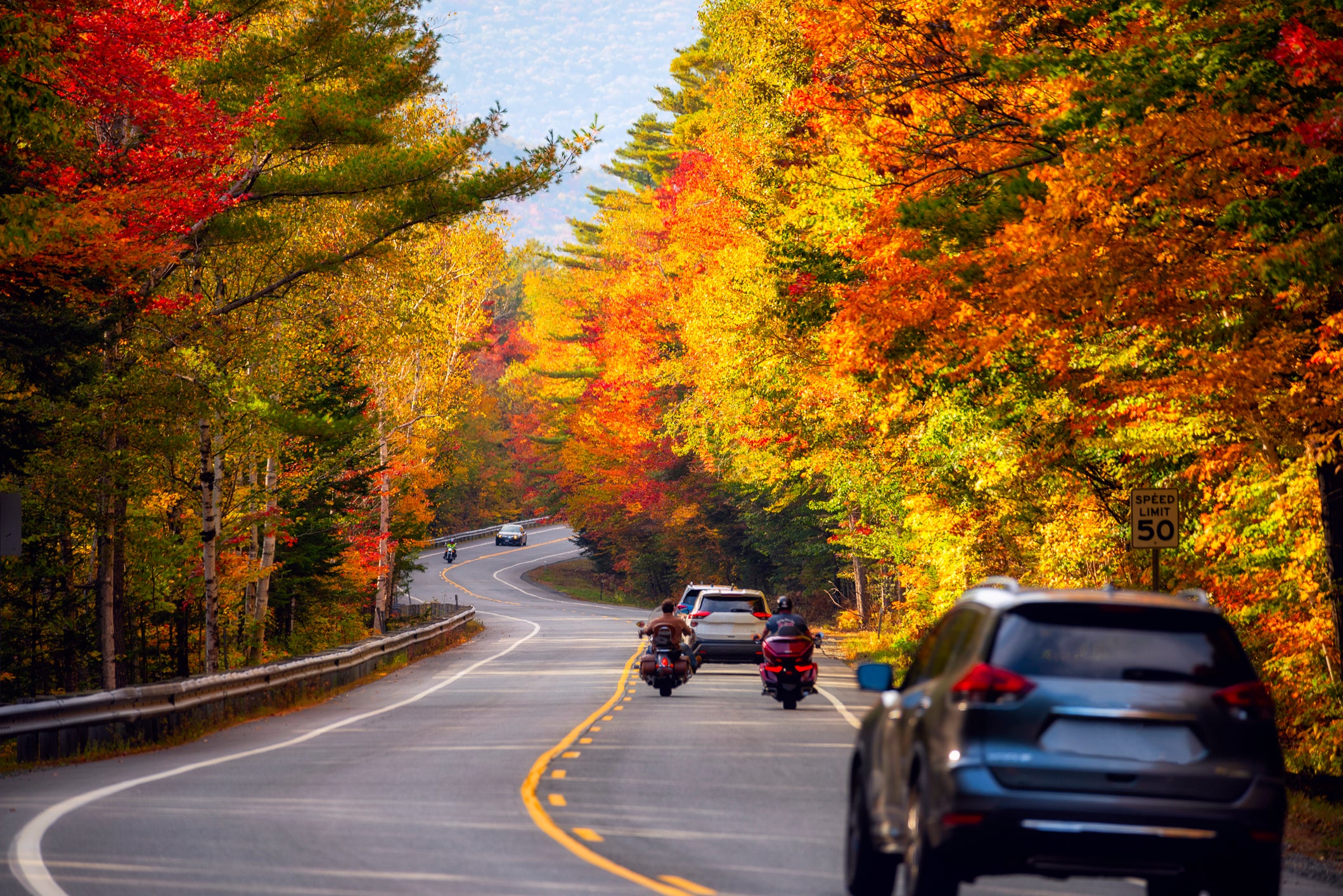
Today we’re celebrating the first day of fall in style!  We’re bringing you three incredible destinations for an autumnal getaway to ring in the season.  Whether you’re looking for classic leaf-peeping and fall photography backdrops or you’re interested in some seasonal fishing or looking to take a hike through the changing foliage, you’ll find the perfect place to visit on our list.  We’re heading to the Northwoods in Wisconsin, the village of Hermann in Missouri, and the Keweenaw Peninsula in Michigan.  We’ve also made sure to include several options for scenic drives or walking tours at each destination so you don’t miss a minute of that fine foliage. So, what are you waiting for? Hop in your new car from Classic Toyota of Waukegan and let’s hit the road to adventure. more Northwoods: Wisconsin RR60 (Rustic Route 60) is more than 11 miles of paved road that winds through the stunning Northern Highland/American Legion State Forest.  This beautiful road trip is a worthy stretch of road winds through coniferous and hardwood forests and past old logging camp sites, stunning hiking trails, and an old saw mill near Star Lake.  You’ll want to make sure to drive carefully, as the area is rife with wildlife!  Stop off on any of the numerous scenic vistas and check out the beautiful lakes of the Northwoods and capture some gorgeous wildlife photography. The Bayfield Peninsula and Apostle Islands Area is a top notch opportunity to experience the magic of the Northern Lights and an autumnal campout! Boulder Junction has nearly 200 lakes to choose from for an afternoon of fishing, boating, kayaking, and paddleboarding. The fish are plentiful here including musky, northern pike, smallmouth bass, walleye, bluegill, perch, and crappie.  There are numerous paved and unpaved trails for mountain biking and hiking through the gorgeous autumnal forests. Manitowish Waters offers exquisite autumn foliage viewing from mid-September to late October depending on weather conditions.  It’s also the perfect place to take a tour of a local cranberry marsh and learn about this traditional seasonal harvest at Manitowish Waters Cranberry Marsh Tours.  (For even more cranberry fun, check out The Cranberry Highway, a 50 mile stretch of road that passes through several marshes including Wisconsin Rapids, Pittsville, Nekoosa, and Tomah.) Eagle River’s  Chain of Lakes offers an incredible opportunity to take in the foliage on different lake waters while paddling, boating, and fishing.  Not to mention the wonderful hiking trails that weave you through maple, oak, and birch trees as they change a plethora of sunset hues. Hermann, Missouri This picturesque village offers a lively annual Oktoberfest to honor the region's rich German cultural heritage.  Enjoy craft beer, local wine and spirits, authentic German food, German folk music and dance demonstrations, and much more! The Hermann Wine Trail is a group of 6 family-owned wineries in the region: Adam Puchta Winery, Dierberg Star Lane, G. Husmann Wine Company, Hermannhof Winery, Reserve Cellars of Hermann, Robller Vineyard.  Purchase your tickets in advance (21+!) and pick up a souvenir glass at your first stop, and enjoy stunning views of the area at each unique vineyard and wine-tasting room. Take a walking tour of the local area’s German Heritage and history with Bayer Walking Tours, City Park Walking Tours, the Historic Buildings of East 2nd Street Walking Tour, and Riverfront Walking Tour. The Grand Bluffs Conservation Area is 236 acres with a beautiful stretch of dolomite bluffs overlooking the Missouri River, with unmatched views of the changing autumnal foliage! Keweenaw Peninsula, Michigan Autumnal foliage in this area is at its peak in the last week of September and 1st two weeks of October, so now is the perfect time to visit!  If you’re lucky, some of the areas a little further south such as Copper Harbor and Isle Royale may peak a little later to extend the season further. Take a spectacular scenic drive on the Brockway Mountain DRive between Eagle Harbor and Copper Harbor that winds up the top of Brockway Mountain. On the clearest day you’ll see for miles and enjoy one of the best views in the Upper Peninsula! Keweenaw’s International Dark sky Park has incredibly low light pollution and unmatched night sky viewing for the Northern Lights and shooting stars! Pike Bay is an excellent autumnal fishing and paddling spot. Anglers will be thrilled to find plentiful fish, and you’ll catch some great northern pike, crappie, and bluegill here! The Chassell Historic Trail is one part nature trail and one part history stroll as you learn about the area’s lumber history!  Two different lumber companies operated on this land, and a special easement was provided to create a half mile loop through the wetlands. You’ll trek past the Chassell House site and towards the water where the historic mill once operated; there are 9 different signs along the trail to illustrate the history of the logging industry. The Sturgeon River Slough Wildlife Area and Refuge is a must see nature spot in the region. You’ll head over to the observation tower and look out over the land to look for seasonal migrating birds, deer, black bear, muskrats, osprey, sandhill cranes, and more

Mayflower II in Plymouth

Explore American History From Pilgrims to the Indigenous Tribes with a Road Trip to Plymouth, Massachusetts!

We love exploring historic places all over the United States!  There’s nothing quite like exploring our roots and history of the ancestral indigenous peoples on this land, as well as learning about the wide variety of immigrants and settlers which make up our storied past. In honor of Mayflower Day,  today we’re taking a little bit longer road trip than usual and exploring the history of Plymouth, Massachusetts, the landing place of the historic Mayflower ship. This historic town is just south of Boston, and known as the site of the first Pilgrim Settlement founded in 1620.  With quintessential New England town charm, it is rife with coastal activities like whale watching, sailing, and boating as well as plenty of top tier dining and shopping, and of course, loads of historical sites!  So, hop in your new car from Classic and let’s hit the road to take a deep dive in American history. more Must See Historic Sites of Pilgrim and Indigenous Histories  in and near Plymouth, Massachusetts Alden Family Historic Sites - These historic properties are located in the nearby town of Duxbury, and are now managed by descendants of the Alden Family. First, check out the Alden Homestead Site which contains the archaeological remains of the original house built by John Alden, and the John Alden House and historic museum.  Explore the life of the Alden family through historical tours and lectures, take a tour of the house and learn about the history of early American/US origins, take a self guided tour of the properties, or enjoy the Alden Pilgrim Quest guided walk that takes you back in time to the founding days of America!  You can even take a nighttime haunted house tour during the fall season. Burial Hill - This historic cemetery and burial ground marks the site of several Pilgrims, as well as family monuments for early settlers of Plymouth. Coles Hill - This National Historic Landmark contains the first cemetery used by the Mayflower Pilgrims, and has been owned since 1820 by the Pilgrim Society of preservationists, helping to preserve and document the early history and founding of the US.  Some of the monuments and memorial stones here date back to the Tercentenary Celebration of the Pilgrim’s landing, as well as a granite sarcophagus which houses skeletal remains believed to be early Mayflower settlers. The area also has beautiful sweeping views of the water and makes a stunning spot for some sunset viewing. Harlow Old Fort House Museum - One of the few remaining 17th century buildings, it originally housed the family of settler William Harlow, a farmer, cooper, and town official who also served in the local militia.  You can take a guided tour featuring a plethora of hands-on activities and historical facts!  Learn about what makes this house a special landmark, see artifacts and antiques from a bygone era, and learn about Early American life in colonial New England. The museum also offers special events throughout the year including historical lectures, special presentations, and holiday seasonal events such as A Christmas Carol. The Jabez Howland House - This historic home has been preserved, restored, and redecorated with 17th century period furnishings and accoutrement. It’s the only remaining house in existence which housed actual pilgrims, John and Elizabeth Howland and their son, Jabez Howland.  You can also visit the nearby John Howland Homestead Site and read a little more about the history of the Howlands. The Jenney Interpretive Center - Dedicated to sharing the life, times, and significant historical impact on of the 51 Pilgrims who arrived in Plymouth and kickstarted the early founding days of the US. Enjoy walking tours of the historic Plymouth district, tours of National Monument to the Forefathers, and numerous educational lectures and programming. Mashpee Wampanoag Museum is a little ways from Plymouth, but absolutely worth the trip for a rich historical experience.  The museum highlights the history and culture of the Wampanoag people from the Stone Age to the Present day.  It is the only museum in existence devoted explicitly to the preservation of Wampanoag History, making it a true gem of an itinerary stop off.  The museum currently houses the “400 Years Ago” exhibit highlighting the impact of the Mayflower’s landing on the Wampanoag people through the voices and memories of their elders and families.  The museum itself is situated in the Bourne-Avant House and is one of the oldest remaining homsteads near the town’s center, next to the Mashpee River and Herring Run.  It is an integral part of the Wampanoag peoples’ history, with 85% of the indigenous community living within just 20 miles of the museum.  You’ll see a portion of history through a fresh perspective and first-hand experiences like never before. The Mayflower II and the Mayflower Meetinghouse - The Mayflower 2 was built in England to be a replica of the original 17th century ship that transported the Pilgrims here. The ship is a working vessel and floating classroom, allowing visitors an up-close view of the conditions and journey of the Pilgrims across the Atlantic.  The nearby Mayflower meetinghouse stores records from the original Pilgrims and their ancestors, and is currently the 5th structure in this location. The Mayflower Society House and Colonial Revival Gardens - This stunning 18th century period house museum is operated by the Mayflower Society and contains three centuries of artifacts and historical displays. Monument to the Forefathers is an 81-foot tall statue built by Boston artist and sculptor Hammatt Billings to commemorate the original passengers of the Mayflower. It features recreations of the 5 virtues: Faith, Law, Liberty, Morality, and Education.  This monument is open to the public from April through November. The Plimoth Patuxet Museums encompasses a series of historic sites of both early settlers and Indigenous American peoples.  You’ll find a recreation of a 17th century English Village, the Plimouth Grist Mill, Patuxet Homesite, and historic Wampanoag Homesite.  Learn what the Wampanoag people experienced in their day to day lives, learn about their food and artwork, canoe building, and more from local Native people. Pilgrim Hall is the oldest continuously operating museum in the country for more than 200 years. This museum houses a large collection of colonial era artifacts including portraits, personal items, clothing, furniture, and more. The Plymouth Center for the Arts is part of the downtown Cultural District and a stop off as part of the Boston South Visual Art Trail. This arts center began its journey about 55 years ago with the inception of the Plymouth Outdoor Arts Show in Brewster Gardens, and became such a huge success they moved to a permanent building in 2008.  The center offers classes, lectures, workshops and rotating exhibitions chronicling the history of the region as well as showcasing work from local artisans and regional artists. It is open 10-4 Weekdays and Saturdays, 12-4PM on Sundays. And of course, Plymouth Rock itself.  Although it is rather unassuming in size, this historical monument is protected along the shores of Plymouth Harbor at the world-famous site where the original Mayflower landed. Sacrifice Rock is located on Old Sandwich Road and was a gift to the Antiquarian Society to be commemorated as a historic site.  This rock was the site of generation after generation of traveling Wampanoag and other local tribespeople who left their offerings on the rock as they traveled. Over the years this created an impressive stick formation which was sadly destroyed in a fire. Today, the rock remains a sacred historic site and monument of the local indigenous peoples history protected on public park lands.

Cars and motorcycles moving along a steep narrow road among a bright colorful autumn forest. USA.

Early Autumn Service Tips to Prepare for Leaf Peeping Season

In just a few short days we’ll be ushering in the official start to Autumn!  As we bid a fond farewell to Summer, it’s important to remember that it’s time to bring your vehicle in for another service appointment.  Let’s not fall behind in our maintenance routine just because we’ll be doing a little less driving.  Today on the blog, we’re sharing our seasonal checklist of things you should look over or service before the cooler weather is in full swing.  And of course, you can always give our service center a call if you think your car needs a little extra TLC from the pros! more Make sure to service the Heating and Cooling System - Your AC has certainly been getting a workout this summer as it’s one of the hottest on record in awhile, but as the heat waves break and give way to cooler temps, it’s important you have your cooling and heating system inspected!  Make sure that your AC Unit, Radiator, and other cooling system parts receive tune-ups before major issues arise.  It’s good to make sure that everything is in working order now especially, as these first few weeks of the season can fluctuate between warm and cooler weather, so you’ll likely need both your AC and the heat alternatingly.  When you bring your vehicle in for a heating/cooling service, ask them to check your air filter for a cleaning or replacement as needed.  And of course, be sure to clear any leaf debris from your vehicle’s exterior for better airflow and intake. Inspect your vehicle’s Defogging and Defrosting Features - The fluctuating weather and temps and increase in foggy, rainy days can also lead to foggy windows which can decrease your visibility!   Test your defogging and defrosting system to ensure that the vents are free, clear, and and the system is functioning at optimal condition before the blustery, chilly autumn weather is in full effect. Rotate your Tires and check the Steering and Suspension - It is recommended you have a tire rotation and wheel alignment now, before winter weather strikes, to ensure that you have accurate steering and stable suspension.  While you’re in the service center, ask your mechanic to give your tires a thorough inspection for damage or excess wear.  Look for signs of wear and tear such as bulges and bubbles, cracks or small tears, or significant tread wear leaving bald spots.  There’s nothing more unpleasant than hydroplaning in a sunshower or catching a pile of fallen wet leaves while trying to stop short. Ensure that you can stop on a dime with properly inflated tires and reasonable tread depth.  Switch out summer tires for all-season to prevent accidents from improper road grip. Be sure to regularly monitor your tire pressure; changing temperatures of 10 degrees can cause changes to tire pressure. Inspect and change all of the vehicle’s Windshield Wipers - We’re going to remind you of the importance of fully functional, pristine wiper blades with every seasonal change.  Clear visibility and streak-free windshields are a vital part of your automotive safety, and can reduce risk of accidents due to poor visibility. Check your wiper blades and replace any damaged blades immediately.  Consider also adding an application of hydrophobic coating such as RainX to your windshield, and/or select windshield wipers with hydrophobic coating built-in to the blades. Service the whole brakes system: Emergency Brake, Brakes/Lines, Rotors, etc. – That rainy, blustery autumn weather may usher in a cozy season, but it also brings with it some seriously slippery driving conditions with mud, flash flooding, and wet leaves. It’s vital to ensure your vehicle has a good set of brakes and quality rotors, and is the difference between the ability to stop safely and avoid accidents.  It is important to make sure that your braking system and brake light are in perfect working order before you’re faced with a split second decision to swerve, stop short, or find a wet patch of leaves on the roadway. Check the front and rear brakes, emergency brake, and brake light system. Ask your mechanic to inspect all lines and replace fluid as needed. Check your car battery monthly – Colder months mean we’re more apt to leave our car running to “warm it up” so we don’t shiver on our morning commutes.  This also means a higher potential for draining the battery through accidental means.  Be prepared in the event of human error or issues at start-up by always keeping a portable battery charger to jump-start in the event you’re stranded with no one around, or in a space where no one can reach your vehicle.  If a vehicle is going into or coming out of storage, the battery should definitely be checked and replaced as they do lose charge while sitting. Ensure your car’s headlights and casings are clean, and replace dim or broken bulbs – The season change means earlier sunsets and while the waning evening light makes for a beautiful golden hour, it does mean you’ll be driving in the dark a little longer than usual.  It’s important that you make sure you have bright, clear headlights to maintain road safety and reduce accidents.  Apply a headlight defogger repair kit to any dull, scratched headlight casings, or have them replaced by your local mechanic.  Replace dim or non-working bulbs ASAP to ensure you’re driving safely and don’t get a ticket.

image-24

Incredible Engineering Feats That Pioneered Today's Modern Automotive Industry to Celebrate World Engineering Day

Today is world engineering day, and we’re taking a look at some of the most amazing feats in engineering that have pioneered huge advancements in the automotive industry. Without these amazing inventors and thoughtful creative minds, we would not have such spectacular, convenient, and comfortable transportation as we do today. Of course, the innovation never stops, as each year automotive engineers and designers work harder than ever before to improve the safety, comfort, and features of modern day vehicles. Let’s explore some of the innovations of the past that paved the way for this incredible present and future for cars. more The Steam Engine was a discovery that was pioneered by several inventors: Thomas Savery in 1698 with the first application of steam power; the first successful steam engine involving a piston developed by Thomas Newcomen in the 1710s; James Watt who added a condensation chamber and insulator for the main cylinder pioneered between 1763 and 1776. Later, Richard Trevithick developed the use of high-pressure steam in the early 1800s which was used to create a mobile steam engine which began the revolution towards steam-powered vehicles. The Internal Combustion Engine was developed by several men including Samuel Brown in 1823, Father Eugenio Barsanti and Felice Matteucci in 1853, Niklaus Otto in the 1860s and 1870s with spark plugs, and finally Rudolf Diesel improved upon the technology in the 1890s with high compression fuel combustion. The pneumatic tire is a rubber tire filled with compressed air, similar to modern day car and truck tires; the design is engineered to provide shock absorption and give drivers and passengers a smoother ride.  Inventor John Dunlap of Scotland created the pneumatic tire in 1888 and was awarded the US patent in 1890.  He along with Irish industrialist W.H. DuCros formed the Dunlop Rubber Company, setting the standard for bicycle tires and later automobiles. The first electric ignition and starter system for vehicles was invented by Charles Franklin Kettering in the early 1900s; along with businessman Edward A. Deeds, the two formed a company called Dayton Engineering Laboratories Company aka Delco, and invented several other technologies. Later, in 1916, he sold his company to General Motors. Flashing Turn Signals were pioneered by an unexpected individual, the “first ever movie actress”: Florence Lawrence, daughter of vaudeville actress and inventor Charlotte Bridgwood.  Lawrence became a very successful actress and used her hard-earned salary to purchase her very own car, a very luxurious purchase for the times.  Not only did she love driving, but she loved learning about the engineering and mechanics behind their functionality!  In 1914, Lawrence developed a mechanical signaling arm that raised flags on the car’s rear bumper to signal that the vehicle would be turning right or left.  In 1929, Oscar J Simler invented the electrical flashing turn signal, first produced by Buick on their vehicles in 1938-1939 era. The anti-lock braking system’s early incarnation was created by J.E. Francis in 1908 with his ingenious idea for Slip Prevention Regulator for Rail Vehicles. Later, French automotive pioneer Gabriel Voisin began to experiment with systems to modulate the hydraulic braking pressure of aircraft brakes in 1920.  But the first incarnation of ABS as we know it today in cars was officially patented by German engineer Karl Wassel in 1928, followed by Robert Bosch in 1936, although neither inventor was able to produce a working sample. By the 1950s, the Dunlop Maxaret anti-ski system had come into play in the UK’s Aviation industry. Shortly after that in the early 1960s, the first fully-electronic ABS system was developed for the Concorde Aircraft. Mario Palazetti, however, is credited with the first use of the modern ABS system in vehicles, formerly known as Antiskid in 1971, and the patent was later sold to Bosch who changed the name to ABS. The Automatic Transmission was invented by Alfred Horner Munro, a Canadian Steam Engineer. He designed the first automatic transmission in 1921, and patented the transmission 2 years later in 1923.  It had 4 forward gears and no parking or reverse, and employed air pressure instead of hydraulic fluids.  This iteration of the transmission was used by General Motors in the Oldsmobile, Buick, and Cadillac from 1937-1938!  Brazilian engineers Fernando Lehly Lemos and Jose Braze Araripe created the first hydraulic transmission in 1923, but it wasn’t mass-produced until 1940.

Contact Us

Fill out this form below and we'll contact you shortly
*Required Fields