


It’s World Rivers Day, calling for public awareness on the importance of our planet’s waterways, and the important roles they serve in our everyday lives from transportation to vital ecosystems to the food we eat. As part of our own efforts to encourage deeper community connection to the environment, we’re dedicating today’s blog to a list of must-visit waterways in the US. From white water rafting in canyons to kayaking and paddling along pristine shorelines Allgash Wilderness Waterway in Maine This is by far the most pristine and untouched wilderness waterway on our list, and a must-visit for a truly unique and unforgettable trip. Visitors generally embark on a multi-day tour canoeing or kayaking through the 92-mile waterway which includes Allegash Lake, Allegash River, and several other smaller lakes and ponds along the way. The scenery here is to die for, as you’ll notice the view is dominated by the 400+ year old Seboomook Formation, a formation of sedimentary rocks and geological formations. Visitors have also noted numerous fossil fragments and coral formations, remnants of an abundant aquatic life in its past. Today, the area is rife with coldwater fish species such as Lake Trout, Lake Whitefish, Burbot, and Brook Trout. Buffalo River in Arkansas If you’re seeking unique terrain and changing scenery, this is the destination for you! The upper portion of the river brings you through stunning Ozark Mountain scenery with steep bluffs and crystal clear waters. You’ll notice the cliffs and rock formations such as limestone, shale, and sandstone along with gorgeous oak and hickory forests that are unmatched in autumn. It’s also one of the very few undammed rivers in the lower 58, creating natural whitewater rapids as well as quieter swimming holes. Wildlife here is truly abundant, featuring elk, black bears, white-tailed deer, wild turkey, snakes, and more than 250 different types of birds. Visitors can enjoy canoeing, kayaking, paddling, and rafting as well as hiking, mountain biking,horseback riding along the shores. It also makes a great day out for fishing, camping, and nature photography for a quieter experience. Green River in Utah This stunning river destination will take you through several canyons with world-renowned wilderness views and experiences. Opt for a trip through Desolation Canyon, nd you’ll be surrounded by one of Utah’s most rewarding views. There are numerous whitewater options here including rapids (ClassII and class III), with permits required. This is also a great area to stop and hike, backpack, do some star gazing, wildlife photography, and explore the historic and natural sights within the canyon. Making your way through Gray Canyon brings you to even more white water rafting, as well as opportunities for horseback riding, hiking, camping, and historic sightseeing. The Labyrinth Canyon portion of the river is 68 miles in length with nearly 50 miles of it designated as a “scenic segment – it has no rapids, and is perfect for a lengthy paddling trip via kayak or canoe in a backcountry wilderness setting. Chattooga River Georgia/South Carolina With a 57-mile course full of adventure, we’re sure you’ll love this destination! The area is not just a prime destination for aquatic sports on the river, but also the perfect place for swimming, backpacking, wildlife photography, horseback riding, and hiking. If you’re looking for paddling and rafting, however, then you’re going to be in for a treat as there are two distinct areas of whitewater rafting: Section III is considered “mild and scenic” with areas calm enough for swimming, class 2 and 3 rapids, and a class 4 end portion. Later downstream on Section IX, you’ll find Seven Foot Falls and Five Falls with even more challenging Class 4 rapids! Tuolumne River in California This river originates in the Sierra Nevada on the eastern portion of Yosemite National Park, and flows west for 62 miles into the Stanislaus National Forest. It is considered the #1 rafting river by the San Francisco Chronicle and is located in some of California's most pristine wilderness. If you’re looking for exciting rapids, this is the place for you! In the Lower Tuolumne, there are more than 40 named whitewater rapids locations within 18 miles as the river makes its way through a remote canyon area. Excursions with groups are recommended here as the rapids can be quite difficult, so make sure you book in advance because it’s quite popular; only a limited number of trips depart daily in an effort to preserve the beautiful natural area. The river makes its way through past beautiful lush meadows, glacially carved canyon walls, and with a backdrop of gorgeous mountain peaks. John Day River in Oregon This river holds the longest stretch of free-flowing water to the west of the Rockies, and thus is the Northwest’s longest free-flowing section of river. It begins in the Blue Mountains of Central Oregon, flowing 284 miles to the Columbia River; those last 2 miles of river also connect to Lake Umatilla and the John Day Dam. You will need a permit for recreational watercraft, but it’s well worth the investment. This river destination features several class1 and class 2 whitewater rapids, a few class 3’s, and calmer waters as well for those who prefer less adventure. It winds you through some exquisite desert canyon scenery with basalt cliff formations as well as farm valleys. You'll find abundant wildlife such as Bighorn Sheep, golden eagles, elk, pronghorn, and more. It’s also known for excellent fishing opportunities including rainbow trout, smallmouth bass, chinook salmon, summer steelhead, and more.
All
Classic Toyota News
Classic Toyota
Arts and Culture
Local Things To Do
Food and Drink
Travel Blog
Waukegan Toyota Dealer
Models
Pets and People
New Inventory
Waukegan Toyota Service
Camry
RAV4
Toyota Prius
Toyota RAV4
Tacoma
4Runner
Corolla
Waukegan Used Cars
4Runner i-FORCE MAX
Charity
Highlander
Tundra

Improve Visibility While Driving for a Safer Roadway and Help Us Celebrate National Eye Health Week
In honor of National Eye Health Week, we’re bringing you a special post about improving your visibility as a driver! It goes without saying that clear visibility is a vital part of safe driving, but today we’re sharing some reminders on how to increase your safety on the road. From your eyewear to the windshield to cameras, there’s lots of things you can do to reduce risks. Greater visibility can help you assess changing road and weather conditions, and thus prevent costly accidents, damages, and injuries. So, without further ado, let’s take a look at some great ways we can improve our road experience and keep other drivers, passengers, wildlife, and pedestrians safer! Ensure all camera points on your vehicle are clear and unobstructed. If you look through your vehicle’s assistive driving views and notice some blurry footage or obstructed views, your cameras may need a good cleaning. Gather a soft, damp cloth like a high-quality microfiber or eye-glasses cloth, and some mild cleaning solution (ones designed for DLSR and mirrorless cameras will work great here, especially the spray). Dampen the cloth and gently wipe the lenses with a cleaning solution until the vision is clear again. DO NOT use ammonia-based cleaners as this may damage the tech. Ensure you’re wearing proper eyewear and at least sunglasses. Make sure you’re going for regular eye exams to ensure your contacts and eyeglasses are up to date. There’s nothing worse than blurry vision or those “starry night” blurry lights as you’re driving at night. You need to be able to see all obstacles, roadsigns, signals, and surroundings with clear visibility. Many modern day options for eyewear provide additional protection from UV damage as well as reducing blue light and glare. Look for glasses and eyewear that offer UV protection, polarization, photochromic lenses or at least opt for polarizing clip-on sunglasses filters. Always clear snow and ice from the roof of your vehicle as well as hood and trunk before driving. It’s not just about clear visibility for you, but for others on the roadway and pedestrians as well! There’s nothing worse than being on the road during wintry weather and having a piece of ice or snow come flying at you! Drivers who leave pieces of ice or snow on the top of their car are at risk of causing an accident for others following behind them. To prevent windshield damage of other drivers, avoid costly moving violations, and prevent deadly accidents, please make sure to remove ALL snow and ice from the vehicle, even if it requires standing on a stepstool or small step ladder. Apply a headlight cleaning solution to light casings, and replace headlight bulbs. If your headlight casings are experiencing fogging or scratches, a quality headlight cleaning kit to remove dirt, grime, and repair the casing is a great choice. In the event that does not work, you may need to replace the casings beyond repair. Invest in upgrading the headlights to modern LED bulbs to further increase your visibility distance in foggy conditions and inclement weather. Regularly repair your windshield wipers with quality blades Regularly inspect your windshield wipers for signs of wear or any debris or build up on the blades. Replace them at regular intervals of about 6-12 months depending on your usage. Be, but beware colder climates or frequent usage may decrease the longevity All-season blades are the most efficient and highest value. If you notice streaks or smears, rounded edges, or deep grooves or broken pieces, it’s time to replace! Improve the durability of your wipers by remembering to use the internal defrosters and scrape snow and ice manually before running the wipers; using the wipers to clear ice and snow can put extra stress and reduce their duration of use. Repair windshield cracks and chips ASAP. A chip or crack in the windshield may seem innocent at first, but one bump in the road or piece of debris, and they can seriously compromise the structural integrity of your windshield glass. Small cracks and stars or chips have a high likelihood of becoming a spiderweb or significant rift in the glass. Not to mention that ignoring them may lead to the windshield taking on water or cracking further when temperatures reach freezing. Large hairline cracks or growing starbursts significantly reduce visibility. You may also see more of an increase of fogging on the windshield than usual. Repairing small cracks, stars, and chips can help save you the cost of replacing the entire windshield. Even after a repair you may still be able to vaguely see or slightly notice some of the damaged area, but if it’s been professionally filled with the proper grade resin it shouldn’t be an ongoing issue. Some insurance policies may provide coverage and installation assistance and repair and/or a new windshield. Add Blindspot mirrors to your side mirrors and increase the size of your rearview mirror. Blindspot mirrors can provide additional wider views of the road around you. This can lead to safer lane changes, help you avoid accidents from approaching vehicles, assist in safer parking practices, and increase accessibility and visibility. Opting for an aftermarket rearview mirror that provides a larger field of vision or has a built-in dash cam can be a great upgrade for older vehicles. Fill your wiper fluid regularly with the appropriate seasonal blend and apply hydrophobic coating to your windshields and windows. First, park your car in a cool, shaded area. To properly clean the windshield on your vehicle, you’ll want to select the right cleaning products. Opt for using ammonia-based cleaners to protect any tinting and leave you with a streak-free shine. You can also create your own cleaning solution by mixing equal parts of water with household vinegar. Use a clean, fresh microfiber cloth to apply your cleaners without creating any abrasions or scratches. When you’re finished, consider applying a hydrophobic coating to the glass to assist in increased visibility and reduced impact on your wipers. Make sure wiper fluid is always filled with a seasonally appropriate fluid.
3 Incredible Early Autumn Getaways
Today we’re celebrating the first day of fall in style! We’re bringing you three incredible destinations for an autumnal getaway to ring in the season. Whether you’re looking for classic leaf-peeping and fall photography backdrops or you’re interested in some seasonal fishing or looking to take a hike through the changing foliage, you’ll find the perfect place to visit on our list. We’re heading to the Northwoods in Wisconsin, the village of Hermann in Missouri, and the Keweenaw Peninsula in Michigan. We’ve also made sure to include several options for scenic drives or walking tours at each destination so you don’t miss a minute of that fine foliage. So, what are you waiting for? Hop in your new car from Classic Toyota of Waukegan and let’s hit the road to adventure. Northwoods: Wisconsin RR60 (Rustic Route 60) is more than 11 miles of paved road that winds through the stunning Northern Highland/American Legion State Forest. This beautiful road trip is a worthy stretch of road winds through coniferous and hardwood forests and past old logging camp sites, stunning hiking trails, and an old saw mill near Star Lake. You’ll want to make sure to drive carefully, as the area is rife with wildlife! Stop off on any of the numerous scenic vistas and check out the beautiful lakes of the Northwoods and capture some gorgeous wildlife photography. The Bayfield Peninsula and Apostle Islands Area is a top notch opportunity to experience the magic of the Northern Lights and an autumnal campout! Boulder Junction has nearly 200 lakes to choose from for an afternoon of fishing, boating, kayaking, and paddleboarding. The fish are plentiful here including musky, northern pike, smallmouth bass, walleye, bluegill, perch, and crappie. There are numerous paved and unpaved trails for mountain biking and hiking through the gorgeous autumnal forests. Manitowish Waters offers exquisite autumn foliage viewing from mid-September to late October depending on weather conditions. It’s also the perfect place to take a tour of a local cranberry marsh and learn about this traditional seasonal harvest at Manitowish Waters Cranberry Marsh Tours. (For even more cranberry fun, check out The Cranberry Highway, a 50 mile stretch of road that passes through several marshes including Wisconsin Rapids, Pittsville, Nekoosa, and Tomah.) Eagle River’s Chain of Lakes offers an incredible opportunity to take in the foliage on different lake waters while paddling, boating, and fishing. Not to mention the wonderful hiking trails that weave you through maple, oak, and birch trees as they change a plethora of sunset hues. Hermann, Missouri This picturesque village offers a lively annual Oktoberfest to honor the region's rich German cultural heritage. Enjoy craft beer, local wine and spirits, authentic German food, German folk music and dance demonstrations, and much more! The Hermann Wine Trail is a group of 6 family-owned wineries in the region: Adam Puchta Winery, Dierberg Star Lane, G. Husmann Wine Company, Hermannhof Winery, Reserve Cellars of Hermann, Robller Vineyard. Purchase your tickets in advance (21+!) and pick up a souvenir glass at your first stop, and enjoy stunning views of the area at each unique vineyard and wine-tasting room. Take a walking tour of the local area’s German Heritage and history with Bayer Walking Tours, City Park Walking Tours, the Historic Buildings of East 2nd Street Walking Tour, and Riverfront Walking Tour. The Grand Bluffs Conservation Area is 236 acres with a beautiful stretch of dolomite bluffs overlooking the Missouri River, with unmatched views of the changing autumnal foliage! Keweenaw Peninsula, Michigan Autumnal foliage in this area is at its peak in the last week of September and 1st two weeks of October, so now is the perfect time to visit! If you’re lucky, some of the areas a little further south such as Copper Harbor and Isle Royale may peak a little later to extend the season further. Take a spectacular scenic drive on the Brockway Mountain DRive between Eagle Harbor and Copper Harbor that winds up the top of Brockway Mountain. On the clearest day you’ll see for miles and enjoy one of the best views in the Upper Peninsula! Keweenaw’s International Dark sky Park has incredibly low light pollution and unmatched night sky viewing for the Northern Lights and shooting stars! Pike Bay is an excellent autumnal fishing and paddling spot. Anglers will be thrilled to find plentiful fish, and you’ll catch some great northern pike, crappie, and bluegill here! The Chassell Historic Trail is one part nature trail and one part history stroll as you learn about the area’s lumber history! Two different lumber companies operated on this land, and a special easement was provided to create a half mile loop through the wetlands. You’ll trek past the Chassell House site and towards the water where the historic mill once operated; there are 9 different signs along the trail to illustrate the history of the logging industry. The Sturgeon River Slough Wildlife Area and Refuge is a must see nature spot in the region. You’ll head over to the observation tower and look out over the land to look for seasonal migrating birds, deer, black bear, muskrats, osprey, sandhill cranes, and more

Explore American History From Pilgrims to the Indigenous Tribes with a Road Trip to Plymouth, Massachusetts!
We love exploring historic places all over the United States! There’s nothing quite like exploring our roots and history of the ancestral indigenous peoples on this land, as well as learning about the wide variety of immigrants and settlers which make up our storied past. In honor of Mayflower Day, today we’re taking a little bit longer road trip than usual and exploring the history of Plymouth, Massachusetts, the landing place of the historic Mayflower ship. This historic town is just south of Boston, and known as the site of the first Pilgrim Settlement founded in 1620. With quintessential New England town charm, it is rife with coastal activities like whale watching, sailing, and boating as well as plenty of top tier dining and shopping, and of course, loads of historical sites! So, hop in your new car from Classic and let’s hit the road to take a deep dive in American history. Must See Historic Sites of Pilgrim and Indigenous Histories in and near Plymouth, Massachusetts Alden Family Historic Sites - These historic properties are located in the nearby town of Duxbury, and are now managed by descendants of the Alden Family. First, check out the Alden Homestead Site which contains the archaeological remains of the original house built by John Alden, and the John Alden House and historic museum. Explore the life of the Alden family through historical tours and lectures, take a tour of the house and learn about the history of early American/US origins, take a self guided tour of the properties, or enjoy the Alden Pilgrim Quest guided walk that takes you back in time to the founding days of America! You can even take a nighttime haunted house tour during the fall season. Burial Hill - This historic cemetery and burial ground marks the site of several Pilgrims, as well as family monuments for early settlers of Plymouth. Coles Hill - This National Historic Landmark contains the first cemetery used by the Mayflower Pilgrims, and has been owned since 1820 by the Pilgrim Society of preservationists, helping to preserve and document the early history and founding of the US. Some of the monuments and memorial stones here date back to the Tercentenary Celebration of the Pilgrim’s landing, as well as a granite sarcophagus which houses skeletal remains believed to be early Mayflower settlers. The area also has beautiful sweeping views of the water and makes a stunning spot for some sunset viewing. Harlow Old Fort House Museum - One of the few remaining 17th century buildings, it originally housed the family of settler William Harlow, a farmer, cooper, and town official who also served in the local militia. You can take a guided tour featuring a plethora of hands-on activities and historical facts! Learn about what makes this house a special landmark, see artifacts and antiques from a bygone era, and learn about Early American life in colonial New England. The museum also offers special events throughout the year including historical lectures, special presentations, and holiday seasonal events such as A Christmas Carol. The Jabez Howland House - This historic home has been preserved, restored, and redecorated with 17th century period furnishings and accoutrement. It’s the only remaining house in existence which housed actual pilgrims, John and Elizabeth Howland and their son, Jabez Howland. You can also visit the nearby John Howland Homestead Site and read a little more about the history of the Howlands. The Jenney Interpretive Center - Dedicated to sharing the life, times, and significant historical impact on of the 51 Pilgrims who arrived in Plymouth and kickstarted the early founding days of the US. Enjoy walking tours of the historic Plymouth district, tours of National Monument to the Forefathers, and numerous educational lectures and programming. Mashpee Wampanoag Museum is a little ways from Plymouth, but absolutely worth the trip for a rich historical experience. The museum highlights the history and culture of the Wampanoag people from the Stone Age to the Present day. It is the only museum in existence devoted explicitly to the preservation of Wampanoag History, making it a true gem of an itinerary stop off. The museum currently houses the “400 Years Ago” exhibit highlighting the impact of the Mayflower’s landing on the Wampanoag people through the voices and memories of their elders and families. The museum itself is situated in the Bourne-Avant House and is one of the oldest remaining homsteads near the town’s center, next to the Mashpee River and Herring Run. It is an integral part of the Wampanoag peoples’ history, with 85% of the indigenous community living within just 20 miles of the museum. You’ll see a portion of history through a fresh perspective and first-hand experiences like never before. The Mayflower II and the Mayflower Meetinghouse - The Mayflower 2 was built in England to be a replica of the original 17th century ship that transported the Pilgrims here. The ship is a working vessel and floating classroom, allowing visitors an up-close view of the conditions and journey of the Pilgrims across the Atlantic. The nearby Mayflower meetinghouse stores records from the original Pilgrims and their ancestors, and is currently the 5th structure in this location. The Mayflower Society House and Colonial Revival Gardens - This stunning 18th century period house museum is operated by the Mayflower Society and contains three centuries of artifacts and historical displays. Monument to the Forefathers is an 81-foot tall statue built by Boston artist and sculptor Hammatt Billings to commemorate the original passengers of the Mayflower. It features recreations of the 5 virtues: Faith, Law, Liberty, Morality, and Education. This monument is open to the public from April through November. The Plimoth Patuxet Museums encompasses a series of historic sites of both early settlers and Indigenous American peoples. You’ll find a recreation of a 17th century English Village, the Plimouth Grist Mill, Patuxet Homesite, and historic Wampanoag Homesite. Learn what the Wampanoag people experienced in their day to day lives, learn about their food and artwork, canoe building, and more from local Native people. Pilgrim Hall is the oldest continuously operating museum in the country for more than 200 years. This museum houses a large collection of colonial era artifacts including portraits, personal items, clothing, furniture, and more. The Plymouth Center for the Arts is part of the downtown Cultural District and a stop off as part of the Boston South Visual Art Trail. This arts center began its journey about 55 years ago with the inception of the Plymouth Outdoor Arts Show in Brewster Gardens, and became such a huge success they moved to a permanent building in 2008. The center offers classes, lectures, workshops and rotating exhibitions chronicling the history of the region as well as showcasing work from local artisans and regional artists. It is open 10-4 Weekdays and Saturdays, 12-4PM on Sundays. And of course, Plymouth Rock itself. Although it is rather unassuming in size, this historical monument is protected along the shores of Plymouth Harbor at the world-famous site where the original Mayflower landed. Sacrifice Rock is located on Old Sandwich Road and was a gift to the Antiquarian Society to be commemorated as a historic site. This rock was the site of generation after generation of traveling Wampanoag and other local tribespeople who left their offerings on the rock as they traveled. Over the years this created an impressive stick formation which was sadly destroyed in a fire. Today, the rock remains a sacred historic site and monument of the local indigenous peoples history protected on public park lands.
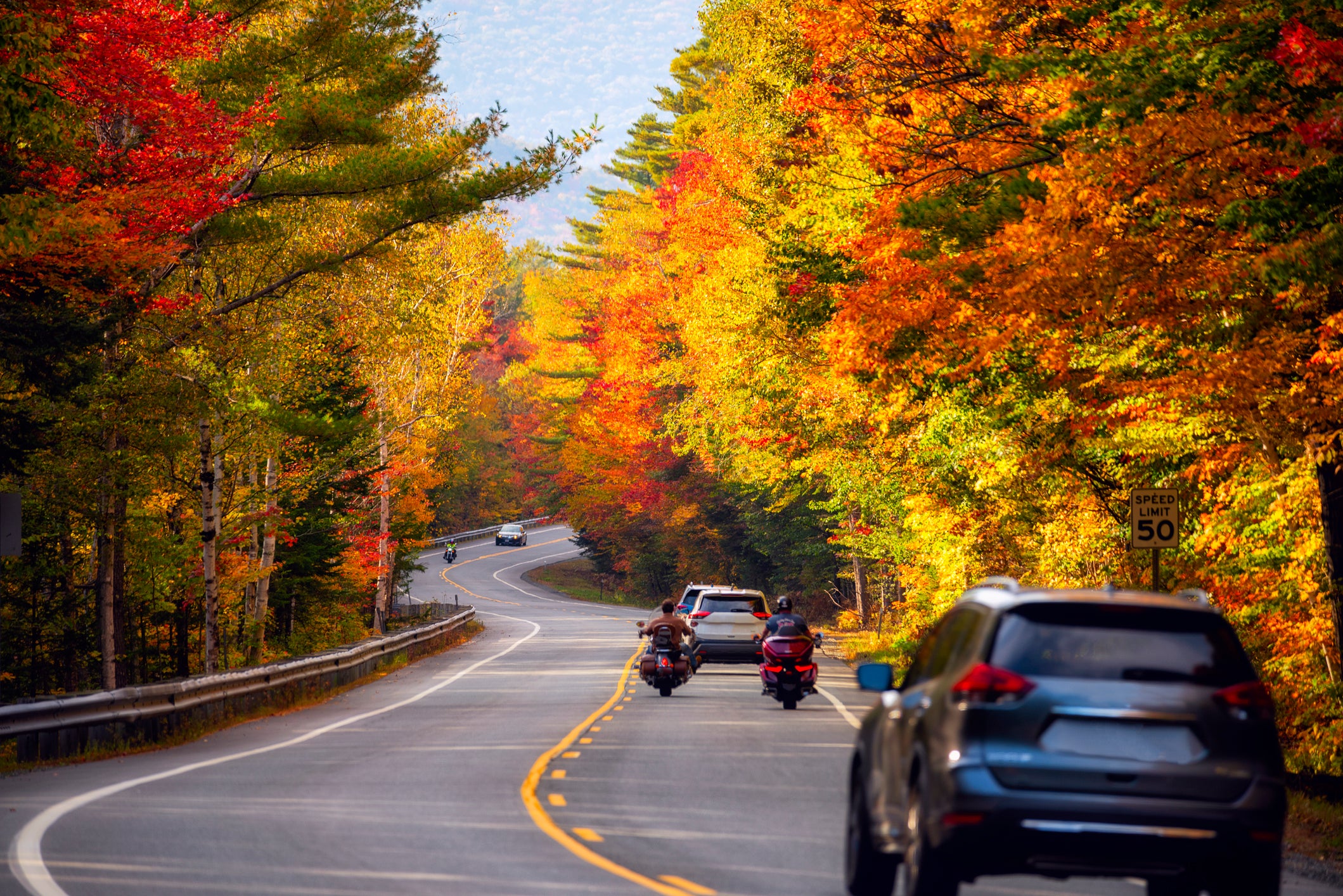
Early Autumn Service Tips to Prepare for Leaf Peeping Season
In just a few short days we’ll be ushering in the official start to Autumn! As we bid a fond farewell to Summer, it’s important to remember that it’s time to bring your vehicle in for another service appointment. Let’s not fall behind in our maintenance routine just because we’ll be doing a little less driving. Today on the blog, we’re sharing our seasonal checklist of things you should look over or service before the cooler weather is in full swing. And of course, you can always give our service center a call if you think your car needs a little extra TLC from the pros! Make sure to service the Heating and Cooling System - Your AC has certainly been getting a workout this summer as it’s one of the hottest on record in awhile, but as the heat waves break and give way to cooler temps, it’s important you have your cooling and heating system inspected! Make sure that your AC Unit, Radiator, and other cooling system parts receive tune-ups before major issues arise. It’s good to make sure that everything is in working order now especially, as these first few weeks of the season can fluctuate between warm and cooler weather, so you’ll likely need both your AC and the heat alternatingly. When you bring your vehicle in for a heating/cooling service, ask them to check your air filter for a cleaning or replacement as needed. And of course, be sure to clear any leaf debris from your vehicle’s exterior for better airflow and intake. Inspect your vehicle’s Defogging and Defrosting Features - The fluctuating weather and temps and increase in foggy, rainy days can also lead to foggy windows which can decrease your visibility! Test your defogging and defrosting system to ensure that the vents are free, clear, and and the system is functioning at optimal condition before the blustery, chilly autumn weather is in full effect. Rotate your Tires and check the Steering and Suspension - It is recommended you have a tire rotation and wheel alignment now, before winter weather strikes, to ensure that you have accurate steering and stable suspension. While you’re in the service center, ask your mechanic to give your tires a thorough inspection for damage or excess wear. Look for signs of wear and tear such as bulges and bubbles, cracks or small tears, or significant tread wear leaving bald spots. There’s nothing more unpleasant than hydroplaning in a sunshower or catching a pile of fallen wet leaves while trying to stop short. Ensure that you can stop on a dime with properly inflated tires and reasonable tread depth. Switch out summer tires for all-season to prevent accidents from improper road grip. Be sure to regularly monitor your tire pressure; changing temperatures of 10 degrees can cause changes to tire pressure. Inspect and change all of the vehicle’s Windshield Wipers - We’re going to remind you of the importance of fully functional, pristine wiper blades with every seasonal change. Clear visibility and streak-free windshields are a vital part of your automotive safety, and can reduce risk of accidents due to poor visibility. Check your wiper blades and replace any damaged blades immediately. Consider also adding an application of hydrophobic coating such as RainX to your windshield, and/or select windshield wipers with hydrophobic coating built-in to the blades. Service the whole brakes system: Emergency Brake, Brakes/Lines, Rotors, etc. – That rainy, blustery autumn weather may usher in a cozy season, but it also brings with it some seriously slippery driving conditions with mud, flash flooding, and wet leaves. It’s vital to ensure your vehicle has a good set of brakes and quality rotors, and is the difference between the ability to stop safely and avoid accidents. It is important to make sure that your braking system and brake light are in perfect working order before you’re faced with a split second decision to swerve, stop short, or find a wet patch of leaves on the roadway. Check the front and rear brakes, emergency brake, and brake light system. Ask your mechanic to inspect all lines and replace fluid as needed. Check your car battery monthly – Colder months mean we’re more apt to leave our car running to “warm it up” so we don’t shiver on our morning commutes. This also means a higher potential for draining the battery through accidental means. Be prepared in the event of human error or issues at start-up by always keeping a portable battery charger to jump-start in the event you’re stranded with no one around, or in a space where no one can reach your vehicle. If a vehicle is going into or coming out of storage, the battery should definitely be checked and replaced as they do lose charge while sitting. Ensure your car’s headlights and casings are clean, and replace dim or broken bulbs – The season change means earlier sunsets and while the waning evening light makes for a beautiful golden hour, it does mean you’ll be driving in the dark a little longer than usual. It’s important that you make sure you have bright, clear headlights to maintain road safety and reduce accidents. Apply a headlight defogger repair kit to any dull, scratched headlight casings, or have them replaced by your local mechanic. Replace dim or non-working bulbs ASAP to ensure you’re driving safely and don’t get a ticket.

Incredible Engineering Feats That Pioneered Today's Modern Automotive Industry to Celebrate World Engineering Day
Today is world engineering day, and we’re taking a look at some of the most amazing feats in engineering that have pioneered huge advancements in the automotive industry. Without these amazing inventors and thoughtful creative minds, we would not have such spectacular, convenient, and comfortable transportation as we do today. Of course, the innovation never stops, as each year automotive engineers and designers work harder than ever before to improve the safety, comfort, and features of modern day vehicles. Let’s explore some of the innovations of the past that paved the way for this incredible present and future for cars. The Steam Engine was a discovery that was pioneered by several inventors: Thomas Savery in 1698 with the first application of steam power; the first successful steam engine involving a piston developed by Thomas Newcomen in the 1710s; James Watt who added a condensation chamber and insulator for the main cylinder pioneered between 1763 and 1776. Later, Richard Trevithick developed the use of high-pressure steam in the early 1800s which was used to create a mobile steam engine which began the revolution towards steam-powered vehicles. The Internal Combustion Engine was developed by several men including Samuel Brown in 1823, Father Eugenio Barsanti and Felice Matteucci in 1853, Niklaus Otto in the 1860s and 1870s with spark plugs, and finally Rudolf Diesel improved upon the technology in the 1890s with high compression fuel combustion. The pneumatic tire is a rubber tire filled with compressed air, similar to modern day car and truck tires; the design is engineered to provide shock absorption and give drivers and passengers a smoother ride. Inventor John Dunlap of Scotland created the pneumatic tire in 1888 and was awarded the US patent in 1890. He along with Irish industrialist W.H. DuCros formed the Dunlop Rubber Company, setting the standard for bicycle tires and later automobiles. The first electric ignition and starter system for vehicles was invented by Charles Franklin Kettering in the early 1900s; along with businessman Edward A. Deeds, the two formed a company called Dayton Engineering Laboratories Company aka Delco, and invented several other technologies. Later, in 1916, he sold his company to General Motors. Flashing Turn Signals were pioneered by an unexpected individual, the “first ever movie actress”: Florence Lawrence, daughter of vaudeville actress and inventor Charlotte Bridgwood. Lawrence became a very successful actress and used her hard-earned salary to purchase her very own car, a very luxurious purchase for the times. Not only did she love driving, but she loved learning about the engineering and mechanics behind their functionality! In 1914, Lawrence developed a mechanical signaling arm that raised flags on the car’s rear bumper to signal that the vehicle would be turning right or left. In 1929, Oscar J Simler invented the electrical flashing turn signal, first produced by Buick on their vehicles in 1938-1939 era. The anti-lock braking system’s early incarnation was created by J.E. Francis in 1908 with his ingenious idea for Slip Prevention Regulator for Rail Vehicles. Later, French automotive pioneer Gabriel Voisin began to experiment with systems to modulate the hydraulic braking pressure of aircraft brakes in 1920. But the first incarnation of ABS as we know it today in cars was officially patented by German engineer Karl Wassel in 1928, followed by Robert Bosch in 1936, although neither inventor was able to produce a working sample. By the 1950s, the Dunlop Maxaret anti-ski system had come into play in the UK’s Aviation industry. Shortly after that in the early 1960s, the first fully-electronic ABS system was developed for the Concorde Aircraft. Mario Palazetti, however, is credited with the first use of the modern ABS system in vehicles, formerly known as Antiskid in 1971, and the patent was later sold to Bosch who changed the name to ABS. The Automatic Transmission was invented by Alfred Horner Munro, a Canadian Steam Engineer. He designed the first automatic transmission in 1921, and patented the transmission 2 years later in 1923. It had 4 forward gears and no parking or reverse, and employed air pressure instead of hydraulic fluids. This iteration of the transmission was used by General Motors in the Oldsmobile, Buick, and Cadillac from 1937-1938! Brazilian engineers Fernando Lehly Lemos and Jose Braze Araripe created the first hydraulic transmission in 1923, but it wasn’t mass-produced until 1940.
Celebrating 20 Years of the Twilight Saga with the Perfect Twilight Fan Road Trip Itinerary
This year is the 20th anniversary of the pop culture phenomenon that is Stephenie Meyers’ Twilight Saga book series (and movies!) This iconic vampires and werewolves teen romance series has become an indelible part of both the literary and film worlds. And of course, it’s inspired thousands of fans to make a west coast pilgrimage to find their favorite spots from film and pages. Even if you’re not a fan, it’s undeniable how far this iconic saga has permeated our daily lives. To celebrate the annual Forever Twilight in Forks festival this past week and weekend, we’re sharing iconic stops to check out on your fandom fueled Ultimate Twilight Road Trip through Washington State and Oregon. That’s right! Just in time for “ Hoa Hoa Hoa Hoa Hoa” season, we’re bringing you lots of fun stops from the movie and book locations where you can reenact your favorite scenes and take pictures for your bookish social media accounts! So hoa hoa hoa hop on into your new car from Classic and let’s hit the road. Live Out Your Twilight Fan Dreams with the Ultimate Twilight Road Trip Guide Forks, Washington - Located about 4 hours outside of Seattle, this tiny little town has truly embraced its pop culture fame. Stop by the Forks Visitor Center to grab your free “Twilight Packet” to help guide you with a map to all the important places; places from the Books mentioned include the Swan House, Cullen House, Forks High School (Kalama High School), City of Forks Welcome Sign, Forks Police Station, Bella’s Truck from the movie. While in town you absolutely must swing by the “Forever Twilight Collection” located at the Chamber of Commerce with actual props and costumes from the movie as well as photo-ops and fan-made memorabilia. The Native to Twilight store offers a nice variety of Twilight merch at affordable prices along with local art made by regional Native Americans and a selection of local souvenirs. Grab a Bite to Eat at Sully’s Burgers or Pacific Pizza, both of which offer unique Twilight themed entries on their menu. You can even book a room at the new Swan House AirBnB or Jacob Black’s House AirBnB. Stop by the “Treaty Line” on La Push Rd and choose a side: wolves or vampires (right down the road from Jacob’s House). Park your car at the Forks Community Hospital and check out the Dr. Carlisle Cullen parking sign! And of course, be sure to take a beautiful hike through the lush, mossy green forest trails of the Hoh Rainforest. La Push, Washington - Although Meyers never mentions in the books which beach Bella and her friends visited, there are three local beaches just 20 minutes drive outside of Forks. First Beach is part of the Quileute Nation, and Second and Third Beach are part of the Olympic National Park. These beautiful beaches are not the exact ones used in filming, as that was actually in Oregon, but they’re just as described in the books and look very similar to the movie sets. If you only have time for one, Second Beach is recommended by fans as the closest match to the movie’s location for the infamous “La Push” beach in the movie. Port Angeles, Washington - This is the town where Bella and her best friends try on Prom Dresses, Bella shops for books on local vampire and Quileute lore, and where Bella and Edward have their memorable first date! While the dress shop and bookstore are fictitious locations, there’s plenty to see and do here from galleries to small shops and museums. Plus, you can grab a bite at Bella Italia and snag Bella’s Mushroom Ravioli, reenacting your favorite romantic scene! Just outside of Port Angelos is Hurricane Ridge, a gorgeous hiking spot with misty mountain evergreens and stunning waterfalls. While you’re in town, we recommend checking out the local bookstore and snagging a copy of “Why We Love (And Hate) Twilight” by Sarah Elizabeth Gallagher to learn more about Twilight lore and support an indie author. (Bella would be really into it!) Washougal, Washington - Get out your hiking gear and hang on tight spider monkey, because we’re heading over for a day hike at the Columbia River Gorge National Scenic Area and making our way to the Cape Horn Overlook for fantastic views of the river gorge and waterfalls, and reenacting our favorite goofy Edward and Bella scene. Twilight Stops from the Movies: The Baseball Scene was filmed near Multnomah Falls, Oregon Bella’s Ballet Studio is located in Portland Oregon La Push Beach Filming Locations were filmed near Cannon Beach at Indian Beach and Ecola State Park in Oregon “Say it, Out Loud” scene was filmed in Oxbow Regional Park in Gresham, Oregon The Rainforest Scenes from the film are in Silver Falls State Park near Silverton, Oregon The Carver Cafe where Bella shakes that infamous ketchup bottle is located in Damascus, Oregon Bella Italia as seen in the movie was filmed at the Bloated Toad Cafe in St. Helens Some very dedicated fans from The Mandagies have created a wonderful self-guided tour map for you with different film and book locations! Click here to check out the Self Guided Tour Map of Twilight Hot Spots.

Searching for the Best Pizza and Deep Dish in Lake County, Illinois
With our dealerships located right here in Waukegan, we live, work and play right here in Lake County just like you! So, if you’re looking for great local eats, we consider ourselves somewhat of an expert or two. Today on the blog, we’re sharing some of our favorite local places to grab a slice of pizza. We’re taking a tour of some fantastic pizza and Italian joints that would make your Nonna’s Nonna blush with pride. Whether you’re looking for regional Chicago favorites like a deep dish or you’re seeking traditional, old-world style Neopolitan pies, or the super thin handcrafted bar-pie style, you’ll find something perfect to tantalize your taste buds So, hop on in to your new car from Classic and grab your pals because we’re on the quest to find the best pizzas ever! Tell us your favorites in the comment section! (In alphabetical order, not order of preference) Antioch Pizza Shop in Antioch For more than 40 years, this shop has built a reputation as a fan favorite for pizza fanatics around the country. Choose from one of four pizza styles: Thin crust, the Double Decker, Pan Pizza, or Stuffed. They’ve also got a super yummy Gluten Free Pizza for those on a speciality diet. Local favorites here include the BLT Pie and the Bacon Double Cheeseburger, but their shining star is the Buffalo Chicken with its spicy buffalo sauce, deliciously moist chicken, and creamy mozzarella cheese. Bonta Pizzeria and Restaurant in Lincolnshi re This family owned-and-operated restaurant offers bold, authentic Italian flavor in a cozy, casual atmosphere. These neapolitan pizzas pack a punch in their handmade crusts and handcrafted toppings baked off in a wood-burning brick oven. Only the finest ingredients are used! Select from traditionally made calzones or pizzas with specialties such as the Spek & Burrata, Buffalo Margherita, and Regina Pizzas or the local favorite Sausage and Mozzarella Calzone. Dinner options also include a wide array of Italian inspired appetizers like the classic Antipasto and Arancini (vegetarian options available), and a wide selection of pasta entrees. Bricks Wood Fired Pizza in Naperville Casual style dining with an upscale taste! This is the home of authentic wood fired and brick oven pizza since 2005, making them a relative “newcomer” in regional pizza fare, but no less of an expert at their craft. You’ll never get bored of the “same old, same old” here! Choose from unique pizza like the “Betty White Arugula” or the “Sunny Side Up” and the simply delectable “Honey Love” pie. And of course, be sure to check the rotation of their signature seasonal favorites (currently the “Red, White, Bleu” and the “Hawaiian BBQ”). Crosstown Pub & Grill in Naperville This is a local hub for great pub food and local sports that boats some of the best pizza and wings around. While they are far from the traditional pizza, the Crosstown Turbo Flats are really out of this world. Try the Chk Thai Thai for a pizza style flat bread with a little pizazz! Or combine their legendary wings with a flat bread pizza experience. Wash ‘em down with an ice cold brew and enjoy the Bears game while you’re there! It’s top notch, one-of-a-kind eatin’. Lou Malnati’s in Grayslake Locals call this pizza some of the best Deep Dish in the region with their famous Buttercrust for the most authentic Chicago option! Their famous Chicago-style pizzas offer a homemade tomato sauce with extra ooey-gooey cheese for that perfect pull with every slice. You simply must try the Malnati Chicago Classic topped with delectable sausage and extra cheese. We’re aces about this one, too, because even our gluten free pals can enjoy a classic deep dish with their small gluten-free from scratch pizzas. Louie’s Pizza in Waukegan This local haunt has been getting top marks since 1941, and that sense of comfort and nostalgia keeps people coming back year after year! Customers love their classic cheese pizza, but that’s not all they love. Reviewers report their taste buds are delighted by the garlic butter bread starter, as well as specials on the menu like the “Poor Mans Lobster” (cod with hot melted butter), Greek Salad, Classic Spaghetti and Meatballs, and their drink specials. It’s some of the best pizza around in the county. Pizzeria DeVille in Libertyville This modern pizza joint offers authentic wood fired pizzas and Italian fare along with a wicked Sunday brunch! We highly recommend trying out their signature salads while you’re there, like the classic Caprese Salad, the Maa Salad, or the unique Meatball Salad! Local favorite pizza options include the classic Margherita, Chicken & Waffle pizza, Hot Honey Square, Cup & CHar rPepperoni and Hot Honey Stuffed Motorcity, the vegan friendly Veganator Deluxe, and even a Gluten Free Pizza. You simply must try it! Quonset Pizza in Waukegan You’re getting old-fashioned classic thin crust pizzas, along with local favorites like Chicago-style Italian beef and of course, wings! Customers here rave about how perfect the pizza crust is, and the delicious amount of toppings you can choose from. While you can never go wrong with a traditional cheese pizza, locals also recommend asking for the “BLT Pizza” or “The Works”. Slyce in Wauconda Creating pizzas in the old-world style coal-fired tradition, you’ll find pizza with flavors like none other. Their specialty high-heat cooking is a clean-burning method that leaves you with a charred crust and soft, chewy interior for the ultimate pizza perfection. The ease of the Build Your Own Pizza menu allows you to fully customize all of your favorite toppings and cheeses, and they do have a gluten free crust option! In addition to more than 15 in-house signature pizzas, there’s also a full soup and salad menu as well as small plate options and sandwiches.
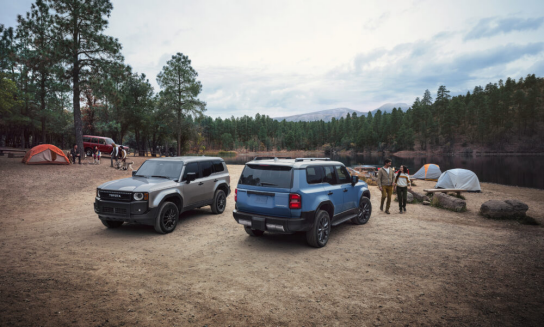
2026 Land Cruiser: Built to Explore, Designed to Impress
PLANO, Texas (Sept. 9, 2025) – The 2026 Land Cruiser continues to exemplify the perfect balance of rugged capability and refined luxury. Since its U.S. debut in 1958, the Land Cruiser has stood as a cornerstone of Toyota’s legendary off-road legacy. The 250 series Land Cruiser is a highly capable off-roader, blending premium features with a more accessible price point than previous generations. This iconic SUV delivers a commanding presence, advanced technology, and the latest off-road innovations. The 2026 Land Cruiser is slated to arrive at dealerships this September, with a Manufacturer’s Suggested Retail Price (MSRP) starting at $57,200*. Performance Both Land Cruisers are equipped exclusively with a robust turbocharged i-FORCE MAX hybrid powertrain paired with a full-time four-wheel drive system. This performance hybrid powertrain generates 326 horsepower and 465 lb.-ft. of torque. Toyota’s i-FORCE MAX powertrain integrates an electric motor within the bell housing between the turbocharged engine and the 8-speed automatic transmission, delivering both strong performance and enhanced efficiency. Engineered for durability and heavy-duty performance use, this powertrain has an EPA-estimated combined fuel economy rating of 23 MPG. Off-Road Features A hallmark of the Land Cruiser is its legendary go-anywhere capability. This heritage is honored with standard center and rear locking differentials across all trims. The electronically locking rear differential splits power evenly to the rear wheels, improving traction and minimizing wheel spin on challenging terrain. The available front stabilizer bar disconnect mechanism (SDM) enhances suspension articulation at the push of a button, helping front tires maintain ground contact. Multi-Terrain Select functions in both 4WD High and 4WD Low, offers terrain-specific settings for Mud, Dirt, and Sand. Standard CRAWL Control provides low-speed off-road cruise control with five selectable speeds, while Downhill Assist Control helps manage descents by limiting vehicle speed. Additional traction aids include Vehicle Stability Control (VSC) and an automatic limited-slip differential (Auto LSD). For technical trails, the available Multi-Terrain Monitor (MTM) acts as a spotter by using cameras to display the vehicle’s surroundings on the touchscreen, revealing potential obstacles. Frame Design The 2026 Land Cruiser is built on the TNGA-F global truck platform shared with the Tundra, Sequoia, Tacoma, and 4Runner. Innovations like laser blank welding reduce weight where possible while reinforcing critical areas, resulting in a high-strength boxed frame ready for the toughest terrain. This robust frame, combined with the i FORCE MAX powertrain, enables a towing capacity of up to 6,000 pounds. Premium Feel, Even on the Trail As Toyota’s original SUV, the Land Cruiser delivers legendary capability alongside advanced technology and premium comfort. The TNGA-F platform not only strengthens the vehicle but also improves ride quality and on road manners. Available plush power heated and ventilated front seats and reclining rear seats ensure comfort on long journeys. An 8-inch or available 12.3-inch multimedia touchscreen showcases Toyota’s Audio Multimedia system, developed by Toyota’s Texas-based Connected Technologies team. The system supports wireless Apple CarPlay® and Android Auto™ and can pair with an available premium 14-speaker JBL® audio system. Qi® wireless charging with enhanced power output is available, along with multiple USB-C ports and a 2400-Watt AC inverter in the cargo area. An available 12.3-inch digital gauge cluster offers customizable styles and widgets. Standard on all trims is a Smart Key System with push-button start. With an active Remote Connect trial or subscription, the available Digital Key allows compatible smartphones to unlock, start, and share vehicle access remotely. A credit card-sized key card is also available for added convenience. A 1-year Remote Connect trial included. Digital Key is standard with Premium Package on Land Cruiser grade. Simple Grade Strategy The Land Cruiser is offered in two grades: 1958 and Land Cruiser. The 1958 grade pays homage to the vehicle’s roots with retro-inspired round LED headlamps, heated fabric seats, and the iconic “TOYOTA” heritage grille. It includes modern features such as Smart Key System, Blind Spot Monitor (BSM), a 7-inch digital gauge cluster, automatic climate control, five USB-C ports, an 8-inch touchscreen, six-speaker audio, and wireless Apple CarPlay® and Android Auto® compatibility. Off-road enthusiasts will appreciate standard locking center and rear differentials, rear coil springs, full-time 4WD, two speed transfer case, CRAWL Control, a 2400W AC inverter, and trailer brake controller. The Land Cruiser grade builds on the 1958 with rectangular LED headlamps, power heated and ventilated SofTex®-trimmed front seats, Qi-compatible wireless smartphone charger, a 12.3-inch digital gauge cluster, power liftgate, 12.3-inch touchscreen, and a 10-speaker sound system. Trail-focused features include Rigid® color-selectable LED fog lights, Multi-Terrain Select, and Multi-Terrain Monitor. The Premium Package upgrades seats to leather-trimmed heated and ventilated power front seats with lumbar support and driver memory, a 14-speaker JBL® premium audio system, digital rearview mirror, Head-up Display (HUD), illuminated entry, and power moonroof. The 2026 Land Cruiser is available in seven exterior colors: Ice Cap, Wind Chill Pearl, Underground, Black, Meteor Shower, Trail Dust, and Heritage Blue. The two-tone Trail Dust and Heritage Blue feature a Grayscape roof. Heritage Design The Land Cruiser’s design pays tribute to its past with boxy proportions, flat roof, short overhangs, and “TOYOTA” grilles. Toyota’s North American CALTY Design Research studio collaborated closely with the global team to create a design inspired by authenticity, reliability, timelessness, and professionalism. The 1958 grade features iconic round LED headlights and heritage grille, while the Land Cruiser grade offers slim rectangular headlights reminiscent of the 60 series. The squared body profile and repositioned A pillar improve outward visibility on trails. Modern touches include all-LED lighting, available 20” wheels, silhouette-shaped roof rack, and color-selectable Rigid® fog lights. The Iconic Off-Roader The Land Cruiser’s return completes Toyota’s rugged, body-on-frame lineup, offering customers a versatile choice for adventurous lifestyles. Built to endure harsh conditions, these vehicles empower owners to explore the world’s hidden wonders. Toyota Safety Sense 3.0 Standard All 2026 Land Cruiser models come standard with Toyota Safety Sense 3.0, Toyota’s suite of active safety and convenience systems. This suite of features includes: Pre-Collision System with Pedestrian Detection Lane Departure Alert with Steering Assist Full-Speed Range Dynamic Radar Cruise Control Lane Tracing Assist Road Sign Assist Automatic High Beams Proactive Driving Assist Including the addition of Proactive Driving Assist, the Toyota Safety Sense features have been enhanced for TSS 3.0: The Pre-Collision System with Pedestrian Detection has enhanced detection capabilities thanks to new system sensors. It receives enhanced intersection support with improved detection capability in certain circumstances. In addition to pedestrian and bicyclist detection, this system now includes the capability to detect a motorcyclist. Lane Departure Alert will now provide Steering Assist as well as enhanced lane recognition that includes detection of certain 3D objects, like guardrails, that may be used to help define the lane. Dynamic Radar Cruise Control will have Full-Speed Range capability and adds a fourth following distance setting, from the previously available three. Enhanced vehicle detection allows for the ability to detect more than one preceding vehicle, as well as vehicles in adjacent lanes. This helps the system to provide smoother, more natural speed adjustments, especially when the driver changes lanes. Lane Tracing Assist requires Dynamic Radar Cruise Control to be enabled for it to function. The system requires detectable lane markings in order to function. Like Lane Departure Alert, lane recognition is enhanced over prior TSS generations. In addition to lane centering, this system also helps provide more space between vehicles being passed in adjacent lanes. It works by offsetting the vehicles’ driving path with minor steering adjustments while keeping the vehicle within its lane. An Emergency Driving Stop System is a new function of Lane Tracing Assist. It’s designed to monitor the driver’s inputs, such as steering operation, to determine if they’re inattentive or non-responsive, such as during a medical emergency. This feature is designed to bring the vehicle to a stop if the driver doesn’t respond to alerts to take control. Road Sign Assist is designed to detect speed limit signs, stop signs, Do Not Enter signs, yield signs, and certain warning signs, and display an icon of the sign on the Multi-Information Display (MID). In addition to TSS 3.0, other available features include Blind Spot Monitor (BSM), which is designed to help detect and warn you of vehicles approaching or positioned in the adjacent lanes, and Rear Cross-Traffic Alert (RCTA) for added peace of mind by helping to detect vehicles approaching from either side while backing out and alerting you with a visual and audible warning. Hill Start Assist Control (HAC) also comes standard. Limited Warranty Toyota’s 36-month/36,000-mile basic warranty covers all components except normal wear and maintenance. Powertrain coverage extends to 60 months/60,000 miles, with corrosion protection for 60 months unlimited miles. Hybrid components are covered for 8 years/100,000 miles, and the hybrid battery for 10 years/150,000 miles, both transferable. ToyotaCare includes two years or 25,000 miles of scheduled maintenance and two years of unlimited mileage roadside assistance. *MSRP excludes $1,450 Dealer Processing and Handling Fee. Dealer Processing and Handling Fee is subject to change and may vary by state.
2026 Toyota Highlander Gets Standard All Wheel Drive Across the Lineup
Toyota recently announced the 2026 Highlander, which continues moving forward with bold style, a well-appointed three row interior, ample room for passengers and cargo, and a choice of gas or hybrid powertrains. For 2026, Highlander makes All Wheel Drive standard on gas models and a simplified grade structure, with feature-packed models available in four gas and three hybrid grades. For over 25 years, the Toyota Highlander has earned a reputation for delivering passenger-car-like handling and control coupled with the power and versatility of a mid-size SUV. Gas models will be available in XLE, XSE, Limited, and Platinum grades and hybrid models will be available in XLE, Limited, and Platinum. Assembled in Princeton, Indiana, Toyota Highlander gas models have a manufacturer-estimated 24 MPG combined rating and hybrid models have a manufacturer-estimated 35 MPG combined rating. Highlander’s interior brings style, utility, and comfort to drivers and passengers alike. It’s available with Sof Tex® or leather trimmed seating, depending on grade. It seats seven when equipped with second row captain’s chairs, and the gas or hybrid XLE, and Limited gas grades have an optional second row bench for seating up to eight. It has up to 84.3 cubic feet of cargo capacity with the second and third row folded down. Highlander also has standard three zone climate control, Qi-compatible wireless charging, and the choice of 8.0-inch or available 12.3-inch touchscreen, which run the Toyota Audio Multimedia system. Depending on the grade, exterior colors include Midnight Black Metallic and Blueprint. Extra cost colors include Heavy Metal, Ruby Flare Pearl, and Wind Chill Pearl. Interior colors also vary by grade, with models that have SofTex-trim available in black or graphite; leather-trimmed models come in black, graphite, and the Platinum grade has an exclusively available glazed caramel interior color. The 2026 Highlander lineup is expected to start arriving at U.S. Toyota dealerships this coming November. Manufacturer’s Suggested Retail Pricing (MSRP) will start at $45,270 for the gas XLE grade and $47,020 for hybrid XLE grade, excluding Dealer Processing and Handling fee. Remarkably Hybrid The 2026 Highlander Hybrid will be available in XLE, Limited, and Platinum grades. All hybrid models will be equipped with Toyota’s Electronic On-Demand AWD system and have up to 3,500 pounds of towing capacity. The Toyota Highlander Hybrid combines a high-efficiency 2.5-liter DOHC four-cylinder engine with two electric motor-generators. The gas engine employs Variable Valve Timing-intelligent system by Electric motor (VVT-iE) on the intake camshaft, and VVT-i on the exhaust camshaft. A variable cooling system (electric water pump, electric thermostat) and a fully variable oil pump help to further enhance engine efficiency. The gas engine and Motor Generator 2 (MG2) work in concert to deliver dynamic performance, while both MG1 and MG2 charge the hybrid battery. The bottom line is a jaw dropper for the efficient-minded: 243 net combined horsepower, a manufacturer-estimated 35 combined MPG rating, and a towing capacity of up to 3,500 pounds for all hybrid grades. The Highlander Hybrid’s battery pack was developed with convenience in mind and is installed under the second-row seats, so it does not take away any cargo or passenger space. Like all Toyota hybrid vehicles, the Highlander Hybrid simply goes about its business. For example, the system optimizes the level of electric motor assistance and gas engine speed without the engine running at high revs. Engine speed is synchronized with vehicle speed, yielding effortless and quiet acceleration. The unique AWD system for Highlander Hybrid employs a separate rear-mounted electric motor to power the rear wheels when needed. Like the hybrid powertrain itself, the AWD system is designed to work seamlessly, switching on and off and sending power to the wheels as needed. Highlander Hybrid offers selectable Normal, Eco, and Sport driving modes that let the driver choose the vehicle’s performance personality. ECO mode extracts maximum efficiency from the fuel and battery, while NORMAL mode is ideal for everyday driving. SPORT mode quickens the throttle response from the hybrid system for improved acceleration control. There is also an EV mode button, which allows electric-only driving at low speeds for short distances. Regenerative braking captures the energy of the turning wheels as the vehicle slows, sending it to the hybrid battery. To foster greater control when driving in hilly areas, the driver can manually control regenerative braking in steps, like the engine braking effect of downshifting a manual transmission. Highlander Hybrid Limited and Platinum models also come with Predictive Efficient Drive (PED), standard. PED analyzes the driver’s daily driving habits and upcoming road and traffic conditions to help optimize battery usage and charging. The more the vehicle is driven, the more data is accumulated, thereby helping to support fuel efficient driving patterns. Travel in Style in the XLE Hybrid The Highlander Hybrid line starts with the XLE grade. It includes standard features like SofTex-trimmed front and second-row seats with an 8-way power-adjustable driver’s seat, 7-inch color LCD Multi-Information Display (MID), in-zone automatic climate control with air filter, 8.0-inch Toyota Audio Multimedia touchscreen with wireless Apple CarPlay and Android Auto compatibility, five USB ports, a Smart Key System and more. The Highlander Hybrid XLE is equipped with Electronic On-Demand AWD. Other standard equipment includes a hands-free power liftgate, Qi wireless smartphone charger, auto-dimming rearview mirror with HomeLink® universal garage door opener, and second row sunshades. For extra storage, roof rails come standard. Options include an upgrade to a 12.3-inch Toyota Audio Multimedia touchscreen and second-row bench seat. Take it Upscale with Limited and Platinum Hybrid The Highlander Hybrid Limited and Platinum grades have even more features. Both models have standard Electronic On-Demand AWD. They come with leather-trimmed first- and second-row seats, heated and ventilated front seats, and 10-way power-adjustability and memory function for the driver’s seat that includes power lumbar support and 8-way power-adjustability for the front passenger seat. Both grades also come standard with a 12.3-inch Toyota Audio Multimedia touchscreen and 11-speaker JBL® Premium Audio system that includes a subwoofer and amplifier. Additional standard exterior touches for the Limited and Platinum Hybrid grades include 20-inch wheels, power-folding heated outside mirror with turn signal and blind spot warning indicators, puddle lights with integrated Highlander logo, and black painted grille with chrome-plated surround. The Hybrid Platinum grade adds heated second-row captain’s chairs for even more rear passenger comfort, and a Panoramic Glass Moonroof with sunshade and one-touch front power tilt/slide function. The driver benefits from a Panoramic View Monitor, 10-inch color Head Up Display, and LED projector headlights with Adaptive Front Lighting System (AFS) auto leveling and LED-strip Daytime Running Lights (DRL). Additional Platinum features include a rear lower bumper accent piece and scuff plate, rain-sensing washer-linked wipers, illuminated front doorsill metal scuff plates, and digital rearview mirror with HomeLink® universal garage door opener. 2.4-Liters of Turbocharged Efficiency For customers looking for an efficient-yet-powerful gas option, the Highlander’s 265-horsepower 2.4-liter turbocharged four-cylinder models with 310 lb.-ft. of torque are the answer. It is available in XLE, XSE, Limited, and Platinum grades. The XLE grade has standard mechanical All Wheel Drive. The XSE, Limited, and Platinum grades have Dynamic Torque Vectoring AWD. All Highlander 2.4-L turbo gas powered models have a 5,000-pound towing capacity. All 2.4-liter gas model engines are paired with a direct shift 8-speed Electronically Controlled Automatic Transmission (AT) with selectable drive modes that include Eco, Normal, Sport, and Snow modes. They also have Multi-Terrain Select (MTS), allowing drivers to select Mud & Sand or Rock & Dirt modes for those times when outdoor adventure calls. For towing, all Highlander gas models include Trailer Sway Control (TSC), which uses the Vehicle Stability Control (VSC) to help control unwanted trailer movement. The Highlander XLE gas powered model’s mechanical AWD system can send up to 50% of available torque to the rear wheels to help counter wheel slip when necessary. The Highlander XSE, Limited, and Platinum gas powered models step up to a performance-minded Dynamic Torque Vectoring AWD system with Drive Mode Select. In addition to governing torque distribution between the front and rear wheels, this advanced system uses special couplings to actively manage torque distribution between the left and right rear wheels. Dynamic Torque Vectoring AWD doesn’t simply react to wheel slippage. Rather, a sophisticated AWD Integrated Management (AIM) system manages Electric Power Steering (EPS), throttle control, transmission shift control and drive torque distribution to continually help optimize handling. Using the Multi-Terrain Select control dial on the console, the driver can maximize traction for prevailing conditions. Mud & Sand mode works well for beach driving, while Rock & Dirt mode optimizes AWD traction for trails. The driver can monitor, in real time, torque allocation and slip control on the Multi-Information Display (MID). Take a Turbo Tour The XLE grade’s standard features include 18-inch machined-finished alloy wheels, a power tilt moonroof, SofTex-trimmed heated driver and passenger seats, and a 10-way power-adjustable seat for the driver. It has standard seating for seven, with an optional second row bench seat that can accommodate up to eight. It also has a Qi wireless smartphone charger, auto-dimming rearview mirror with HomeLink universal garage door opener, and second row sunshades. For entertainment, an 8-inch Toyota Audio Multimedia touchscreen with six speakers comes standard. An option to upgrade to a 12.3-inch Toyota Audio Multimedia touchscreen is available. It also has a 7-inch color LCD Multi-Information Display (MID), five total USB ports, Push Button Start, Smart Key, and several Connected Service trials*. For convenience it has a hands-free rear power liftgate. The Highlander XSE gas model rolls on all-black 20-inch wheels, wrapped in 235/55R20 all-season tires. A specially tuned suspension with high-rate springs, rear stabilizer bar, and low-friction shock absorbers works in concert with tuned electric power steering to give the XSE a distinctly sporty feel. XSE-exclusive styling applies to the front fascia, grille, lower spoiler and headlamps. Unique rocker panels add an edgy accent to the Highlander XSE’s sculpted lines. Black roof rails, mirror caps and window moldings dial up the subtle cool factor, finished off by a twin exhaust tip. Inside, the Highlander XSE cradles passengers in black SofTex-trimmed seats, while ambient lighting and carbon-fiber style finish on the instrument panel adds a sporty vibe. The 8-inch Toyota Audio Multimedia touchscreen with six-speaker sound system comes standard, with an option to upgrade to a 12.3-inch touchscreen and an 11-speaker JBL Premium Audio system with subwoofer and amplifier. It also has a hands-free power liftgate. The Highlander Limited and Platinum grades have premium features like 20-inch alloy wheels, leather-trimmed seating that’s heated and ventilated for driver and front passenger, height adjustable hands-free power liftgate, 12.3-inch digital gauge cluster, and 12.3-inch Toyota Audio Multimedia touchscreen and an 11-speaker JBL Premium sound system. High end details like wood door and ornamental dash trim, high output LED fog lights, and puddle lights with integrated Highlander logo also come standard. The Platinum grade adds even more features including power Panoramic Glass Moonroof with sunshade and front power tilt/slide function, an eight-way power adjustable front passenger seat, digital rearview mirror with HomeLink® universal garage door opener, 10-inch color Head Up Display, rain-sensing wipers and Panoramic View Monitor, just to name a few. The Highlander 2.4-L turbo model exterior colors vary by grade and come in a choice of Midnight Black Metallic, Magnetic Gray Metallic, and Blueprint. Heavy Metal, Ruby Flare Pearl, and Wind Chill Pearl are also available as extra cost colors. Multifaceted Multimedia The 2026 Highlander comes standard with an 8-inch, and available 12.3-inch, Toyota Audio Multimedia system designed and engineered by Toyota’s Texas-based Connected Technologies team. Highlander drivers with an active Drive Connect* trial or subscription can enjoy a wide range of enhanced connectivity and convenience features, including Over-the-Air (OTA) updates. Users can interact with the system through intuitive touch and voice activation controls. With an active Drive Connect* trial subscription, drivers and passengers have access to Intelligent Assistant, Cloud Navigation and Destination Assist. A one-year trial is included on select models. With Intelligent Assistant, simple phrases like “Hey Toyota” awaken the system for voice activated commands to search for directions, find Points of Interest (POI), adjust audio controls, change the cabin temperatures and more. Cloud Navigation, the available onboard navigation solution, utilizes the cloud to download the latest available map, traffic and routing information. To ensure users have the most up-to-date search capabilities, POI search is provided by Google Points-of-Interest data. Destination Assist also gives access to 24/7 live agent assistance to locate the next destination. The Toyota Audio Multimedia system allows for dual Bluetooth® phone connectivity, with support for standard wireless Apple CarPlay and Android Auto compatibility. For further connectivity, the Highlander’s available Wi-Fi Connect* offers 4G connectivity for up to five devices – turning the Highlander into an AT&T Hotspot (trial included for up to 30-days or 3GB, whichever comes first. Wi-Fi Connect adds to the already robust offering of audio playback ability, including HD Radio®, USB data, and a SiriusXM® 3-month trial subscription. Wi-Fi Connect also enables the Integrated Streaming feature, providing customers with the ability to link their separate Apple Music® and Amazon Music subscriptions to the vehicle for onboard control (one month trial included, separate music subscriptions required). For those looking for an enhanced audio experience, the Highlander offers a JBL® Premium Audio system boasting 1,200 watts of power playing through 11 speakers in nine locations creating a mobile concert from any music genre. With the use of Clari-Fi® technology, the system is also able to breathe life into compressed digital music formats, helping to enhance the audio experience. This system is available on XSE grades, while the Limited (gas and Hybrid), and Platinum (gas and Hybrid) grades include it as standard. Each Highlander offers many additional Connected Services. Safety Connect* includes an Emergency Assistance Button (SOS), 24/7 Enhanced Roadside Assistance, Automatic Collision Notification and Stolen Vehicle Locator with a 5-year minimum trial included. Service Connect* gives drivers the capability to receive Vehicle Health Reports, Maintenance Alerts and reminders, also with a 5-year minimum trial included. With the Toyota app, users can stay connected to their Highlander with a 1-year trial of the Remote Connect* included service available on all grades. Users can activate headlights, lock/unlock the doors and remotely start the vehicle. Users can also check vehicle status, receive service reminder notifications, and set Guest Driver Alerts. Being ready to handle all your device charging needs, the Highlander is equipped with five USB ports in the cabin. Up front, two Type-C USB ports plus one Type-A port are located at the bottom of the center stack. For second-row passengers, two Type-C USB ports are located at the bottom rear of the center console. Convenience features are aplenty for Highlander, too. Front and Rear Parking Assist with Automatic Braking is standard on Limited and Platinum. A Panoramic View Monitor with Perimeter Scan is available on Limited, and standard on the Platinum grade for a live rotating 360-degree view around the vehicle. * 4G network dependent. Standard Safety and Convenience Highlander comes with the Toyota Safety Sense 2.5+ system that includes: Pre-Collision System with Pedestrian Detection (PCS w/ PD) Full-Speed Range Dynamic Radar Cruise Control (DRCC) Lane Departure Alert with Steering Assist (LDA w/ SA) Lane Tracing Assist (LTA) Road Sign Assist (RSA) Automatic High Beams (AHB) Blind Spot Monitor (BSM) with Rear Cross-Traffic Alert (RCTA) is standard on all Highlander models. The 2026 Highlander is equipped with eight airbags, including side curtain airbags for all three rows. It also includes Toyota’s Star Safety System which includes Vehicle Stability Control (VSC), Traction Control (TRAC), Electronic Brake-force Distribution (EBD), Brake Assist (BA), Anti-lock Braking System (ABS) and Smart Stop Technology (SST). The hybrid models employ Vehicle Dynamics Integrated Management (VDIM), which provides integrated control of the ABS, Brake Assist, TRAC, VSC, Hill-Start Assist control and electric power steering (EPS) systems. The system helps to maintain vehicle stability when swerving on slippery road surfaces by controlling the brakes, hybrid system output and steering assist. Toyota Limited Warranty and Toyota Care Toyota’s 36-month/36,000 mile basic new-vehicle warranty applies to all components other than normal wear and maintenance items. Additional 60-month warranties cover the powertrain for 60,000 miles and against perforation from corrosion for 60 months with no mileage limitation. Hybrid-related components that require repairs needed to correct defects in materials or workmanship are covered for 8 years/100,000 miles, whichever comes first from original date of first use when sold as new. The hybrid battery is covered for 10 years/150,000 miles, whichever comes first, and is transferable across ownership. The 2026 Highlander also comes with ToyotaCare, a plan covering normal factory-scheduled maintenance, for two years or 25,000 miles, whichever comes first, and 2 years of Roadside Assistance, unlimited mileage.
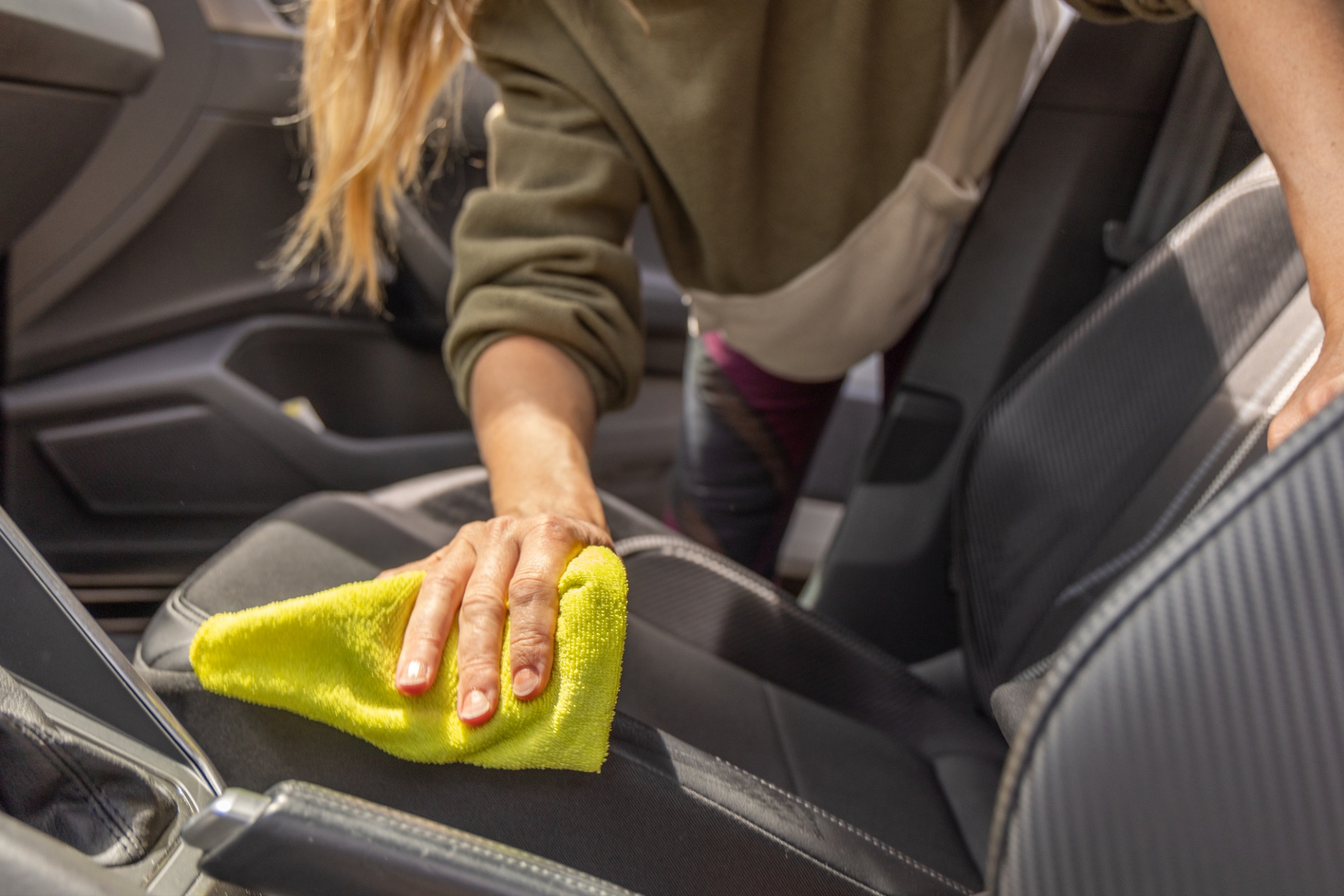
Easy Car Maintenance Hacks and Basic Vehicle "Housekeeping"
It’s housekeeping week, so we thought we’d do a little tidying and minding of our vehicles! From important paperwork to cleaning and maintenance tips, on today’s blog we’re handing you a primer for easy vehicle housekeeping. We’ll start with making sure essential documents are up to date and in the right place, followed by a list of vital emergency items you should have on hand at all times, and some general cleanliness for maintenance between professional detailings. First Up: Paperwork! It’s important to check that your insurance, registration, and license are up to date and stored in a secure place. The center console or glove compartment are common places to store these, but some drivers like to purchase a little clip and holder for registration/insurance that attaches them above the driver’s side visor for convenience. Let’s review important documents you should be able to locate in a pinch: Vehicle Registration and/or official dated receipt of payment for updated registration if renewed recently. Proof of Insurance with updated policy coverage dates (you can also download this to your mobile phone wallet and/or utilize a digital app version in most states) Your Driver’s License should be up to date and in your possession at all times. Maintenance Records of recent repairs and regular oil changes are a bonus The vehicle owner’s manual should be accessible in a pinch to identify warning lights and access important make/model information for maintenance and safety Emergency contact names/numbers list on a paper in the glove compartment is also a good idea Ensure that the title of your vehicle is safe and secure in your home in a fireproof box. Important: Never store your vehicle title inside of the car itself. This is the official proof of ownership for your vehicle, and should it get damaged or stolen this may cause significant issues for recovery or insurance purposes. Likewise if you have a “bill of sale” for your vehicle, it should be stowed with the title and never inside the vehicle itself. Second: Basic Emergency Kit Supplies We’ve run several blogs devoted to preparing for emergencies and what to keep on hand for essential travel with on road trips, but here’s a quick primer to refresh you! Basic emergency and maintenance tools you should keep in your vehicle include: A tire pressure gauge to maintain proper pressure Jumper cables in case of emergency A spare tire with tire jack A tire air compressor A tire patch kit and air pump A few blankets and towels In cold weather months: include a small container of kitty litter and/or road salt with a portable shovel in case of emergency, hats, gloves, hand warmers LED flashers or reflective cones/triangles in case of emergency A handcrank or small pocket LED flashlight A portable battery charger for your vehicle and electronics It’s also a great idea to have an extra set of clothes on hand to change into if you get stranded in inclement weather or have an emergency. Third: Basic Cleaning and Maintenance Items A good rule of thumb is to clean and disinfect your car monthly, but at least every quarter should be the bare minimum. In colder months, more frequent cleanings may be advisable, as you can never be too cautious during “cold and flu” season and school germs out to play! Thankfully, we’ve got a great shortlist of supplies we recommend to clean and tidy your car, as well as make at-home detailing a breeze. To keep your car clean regularly you should keep these great items on hand Car upholstery and leather-friendly vehicle disinfectant wipes and spray An upholstery friendly pet deodorizer/neutralizing spray A hydrophobic windshield/glass treatment to aid in proper visibility. Coolant/antifreeze to prevent your vehicle from overheating. Proper motor oil for your make/model of vehicle so you can always top it off before long drives and maintain proper fluid levels. Glass Cleaner for streak-free, obstruction free windshields Specialized Car Shampoo and Rinse that’s formulated to remove debris and grime without harming your paint or wrap. Carpet Cleaner powder or spray to maintain vehicle upholstery and cut down on environmental allergens and debris, and use a soft bristle brush. Interior Car Cleaning Wipes specifically formulated to protect your vehicle’s interior fabric (leather, PVC, fabric, etc) Clean microfiber cloths instead of sponges as they pick up dirt and debris without scratching or creating dreaded paint swirls. A clay bar to help remove dirt and contaminants from your vehicle after washing with cleansers and shampoos. A decent portable vacuum cleaner that can adequately remove dust, dirt, and debris while trapping allergens that can reach into small nooks, crannies, and side pockets. Fourth: Simple Car Cleaning Tips Here’s some basic detailing and cleaning tips for an at-home car wash and detail: Cleaning your vehicle out of direct sunlight and in a shady area to allow the cleansers to work efficiently without evaporation. Don’t use sponges in a swirling, circular motion; choose one direction to wipe and stick with it! Utilize more than one bucket: one for an initial rinse down, one for clean soapy water, one with clean water for rinsing the dirty sponge/microfiber cloth; this eliminates chances of dragging grit and grime back onto the car after it’s been cleaned. Clean your car starting with a washdown of the tires, followed by top to the bottom of the vehicle for maximum efficiency. If you spot bugs or bird droppings on your vehicle, make sure to remove them by using a special removal cleaner or some sort of lubricant to avoid scratching the paint. Remove sap, dead bugs, and animal droppings as quickly as you can when you spot them. Letting them sit can cause corrosion, scratches, and stains.

Perfect Tailgating Accessories: Grills, Tables, Chairs, and More!
It’s National Tailgating Day! Whether you’re at the stadium or arena for a big pro ball game, or you’re hanging out with fellow parents at your kiddos’ local tournament, there’s never a bad time for a tailgate party. Get ready for the upcoming sports season with these fun car gadgets and travel worthy barbecue gear. We’re bringing you even more fun ways to step up your tailgate events! Gather your friends in your driveway, the cul-de-sac, or the stadium parking lot for some good ol’ fashioned tailgating with all the amenities of modern living. First up, let’s start with great portable grills! The Napoleon TravelQ offers options in propane, natural gas, and electric. The Pro285X offers two burners, a portable cart, and propane gas that’s perfect for small spaces and grilling on the go. The SnS Grills Slow N Sear grill offers an 18” and 22” size portable charcoal grill. Great for tailgating and camping, this little grill gives you control over the heat with two zones and easy cleanup after. The Weber Q1200 Portable Gas Grill is a great table-top entry option that takes less than 15 minutes to assemble before cooking and is . There’s also an optional separate rolling cart made to fit this grill if you’re looking for more portability. Next Up: Tables! Great portable tables with plenty of room for prepping and eating. The Mountaineering folding camping table is easy to carry, easy to clean, and easy to store. It rolls right up into an easy-carry bag so you can bring it anywhere! And it’s sturdy enough to hold up to 30 lbs, making it great for serving those burgers and wings at tailgate day. We’re big fans of REI Co-Op here at classic and this Camp Roll Table is no exception! This small, lightweight table sets-up and breaks down quickly! Weighting just under 9lbs, this thing is easy to carry and store, but has a workhorse capability with the ability to hold up to 100lb capacity. And of course, we also love the Camp Prep Table for similar portability but even more space, and an adjustable height from 22-31 inches if you’re looking to splurge a little more. The All-In-One Tailgating table from Camerons Store on Amazon offers a place to put your drinks, snacks, dips, and beer all in one place! It easily folds and stores together for lightweight, easy transport. And last but not least, a place to sit back, relax, and enjoy your meal before the big game. A great portable, foldable camping chair and spots-friendly chair is an absolute must for the avid tailgate participant! Here are some of our top favorite picks: Coming in on top is the Flexlite Air Chair from, you guessed it, REI Co-Op! This convenient chair comes in 3 colors and folds down flat and small weighing in at only 1lb to the size of the average water bottle. Holding 250lb weight capacity this makes it flexible for adults and kids alike. The Coleman Broadband Mesh Quad Camping Chair is perfect for tailgating and camping! The chair has adjustable arms and a sturdy base, and supports up to 250lbs. Great Accessories for Tailgating and Travel Grills, chairs, and tables are all great but what good is tailgating if you don’t have anything to bring the food? Exactly! Here are some of our picks for great tailgating items to transport your food and utensils to make game day cooking a breeze. This large grill caddy from FRECOLSH on Amazon holds food, drinks, condiments, utensils and even your paper towels all in one place and for less than $50! If you’ve got the food covered but need a place for those sauces, utensils, and clean up gear? Well we recommend the Geesta Magnetic Condiment and Accessories Organizer.